


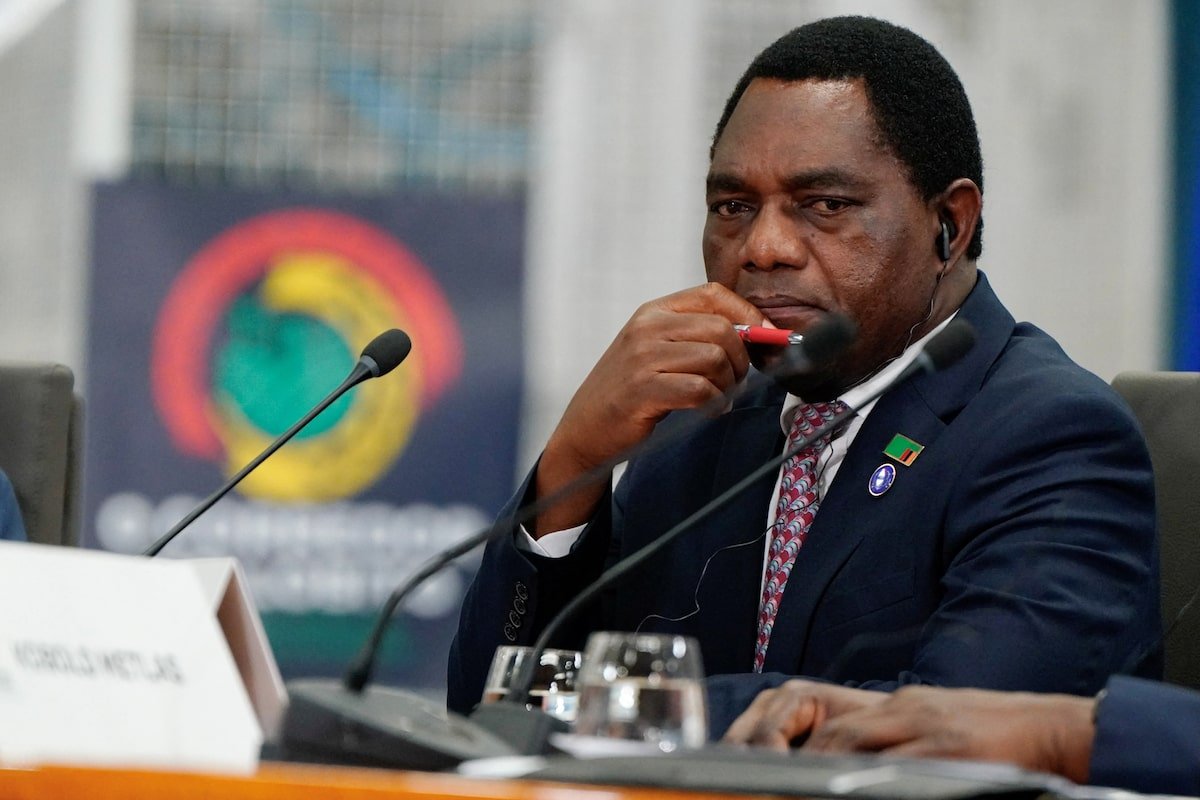
Zambia is once again drawing continental attention as concerns grow over the political climate ahead of its upcoming elections. Once widely regarded as one of Southern Africa’s more stable democratic examples, the country is now facing renewed scrutiny over whether its institutions can withstand rising political tension.
Rising Electoral Tensions and Institutional Pressure
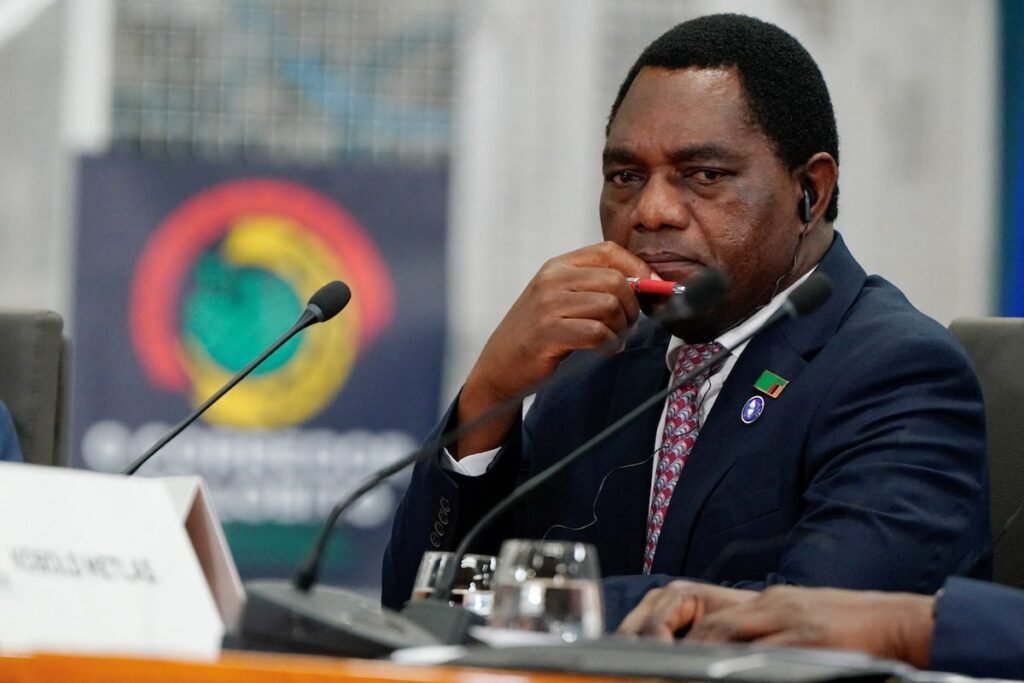
At the centre of the debate are growing disputes around electoral processes, increasing political rivalry, and a series of legal and constitutional challenges that critics say risk weakening public confidence in the system. Supporters of the current political order argue that these developments reflect a healthy democracy where institutions are actively tested, while opposition voices and civil society groups warn that the stakes are far higher this time.
The concern is not limited to who wins at the ballot box. Increasingly, the question being asked is whether citizens will trust the outcome regardless of the result. In many emerging democracies, that trust is what ultimately determines political stability after elections.
The Bigger Question: Trust in Democracy Itself
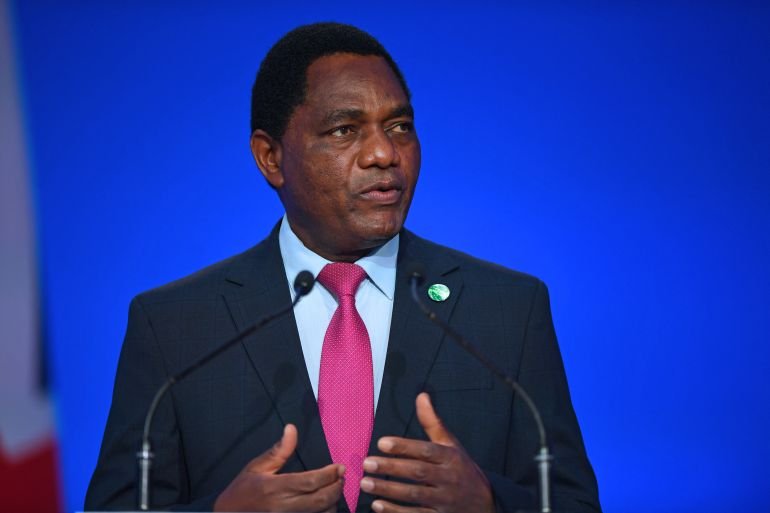
Zambia’s electoral commission and judicial institutions are now under pressure to demonstrate neutrality, transparency, and efficiency in managing disputes. Observers say that how these bodies handle the pre-election environment may be just as important as the election day itself.
Across the region, Zambia’s situation is being closely watched as a possible indicator of broader democratic trends in Africa—where electoral credibility, institutional independence, and political tolerance are becoming defining issues.
As the campaign season intensifies, one question stands out:
Can Zambia preserve its democratic reputation, or is it entering a more contested political era?