





Zimbabwe is once again at the center of a major constitutional debate as the ruling ZANU-PF pushes forward Constitution Amendment Bill No. 3 (2026), a proposal that could fundamentally reshape how the country chooses its president.
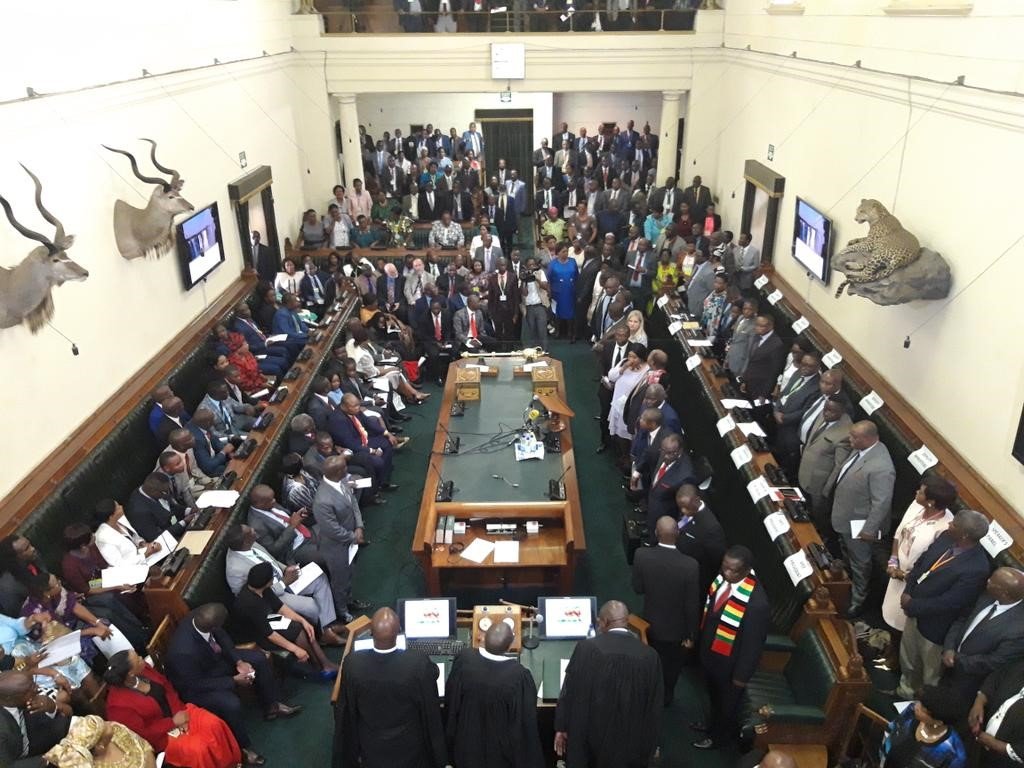
At the heart of the bill is a controversial provision to scrap direct presidential elections. Instead of citizens voting for their head of state, the president would be elected by a joint sitting of Parliament. If passed, this would mark a dramatic shift away from the system Zimbabwe has maintained since 1990, where the electorate directly chooses its leader.
The proposed amendment also includes plans to extend both presidential and parliamentary terms from five years to seven years. This has fueled speculation that the current president, Emmerson Mnangagwa, could remain in power until 2030 if the changes are implemented.Public hearings on the bill have triggered intense national debate.
A Democratic Backslide
Critics argue that the proposal represents a significant democratic backslide, warning it could concentrate power within political elites and weaken citizens’ direct influence over leadership. Many civil society groups and opposition voices have described it as a potential power grab that undermines electoral accountability.
On the other hand, supporters within ZANU-PF maintain that the reforms are designed to enhance political stability, reduce election-related tensions, and streamline governance. They argue that parliamentary selection could minimize costly and often divisive nationwide campaigns.
As of now, the bill remains under discussion and has not yet been enacted into law. Its outcome could redefine Zimbabwe’s political landscape and set a precedent for governance structures in the region.With strong opinions on both sides, all eyes are on how lawmakers, and the public, will shape the country’s constitutional future in the coming months.