






Angola – Angola’s natural gas sector is emerging as one of Africa’s most compelling examples of how strategic policy reform can transform a resource-rich economy. As global investors search for stable and commercially viable energy markets, Angola is demonstrating that clear regulations, fiscal incentives, and long-term planning can turn gas reserves into economic growth.
The country’s success sends a strong message across the continent: when governments provide regulatory certainty and a clear commercialization pathway, investment follows.
A major milestone came in November 2025 when the New Gas Consortium (NGC) commissioned Angola’s first dedicated non-associated gas plant in Soyo. Valued at approximately $4 billion, the facility marked a historic shift in Angola’s energy strategy by treating natural gas as a primary resource rather than a byproduct of oil production.
The project represents the most visible outcome of nearly a decade of deliberate policy reforms aimed at reducing the country’s dependence on crude oil and building a more diversified energy sector.
From Oil Dependency to Gas-Led Growth
For decades, Angola’s economy relied heavily on crude oil exports, while large volumes of natural gas were either flared or reinjected into oil fields. Recognizing the economic opportunity being lost, policymakers began laying the foundation for a dedicated gas industry.
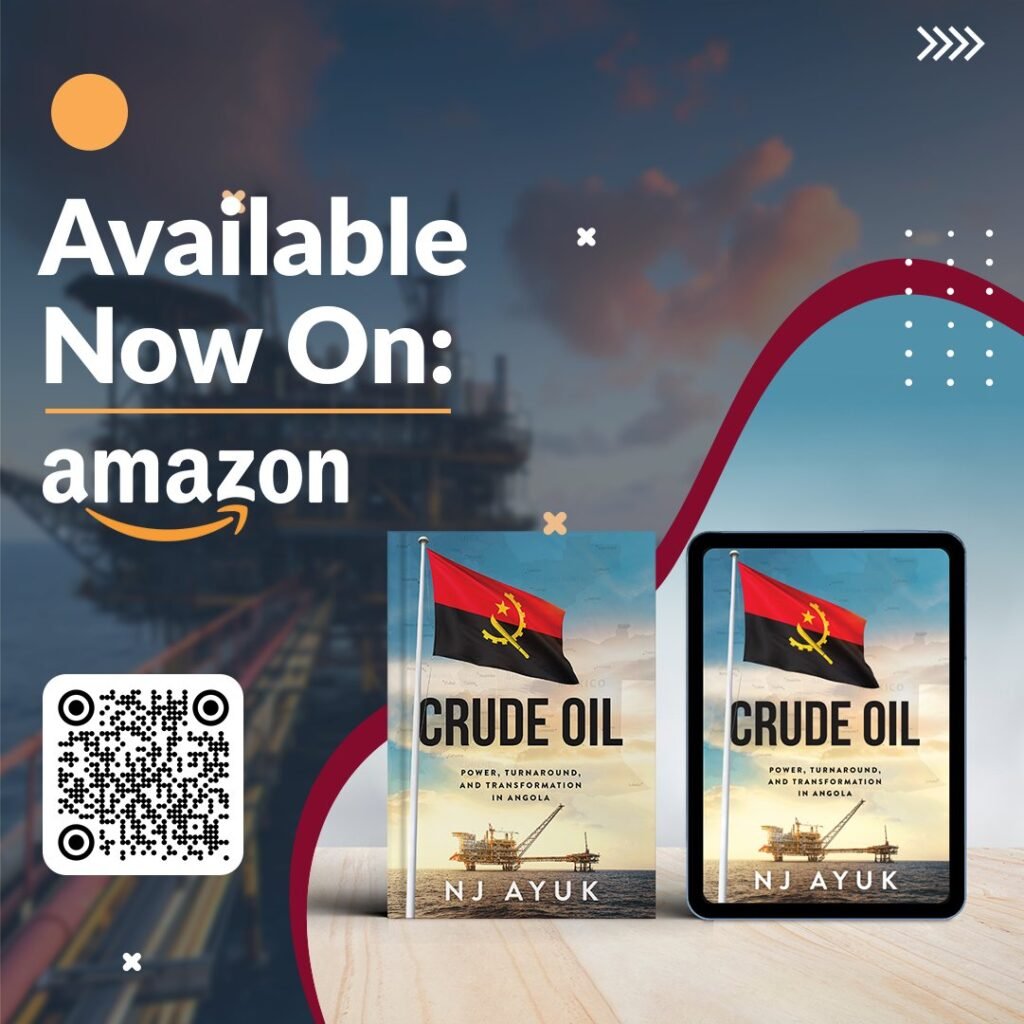
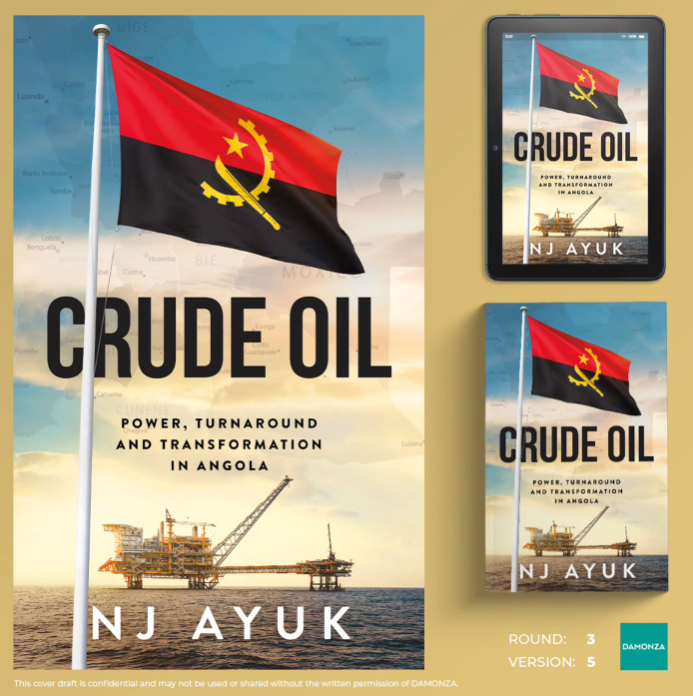
This transformation is explored in Crude Oil: Power, Turnaround and Transformation in Angola, a book that examines how Angola repositioned natural gas from an underutilized resource into a strategic economic asset.
The publication highlights how the legislative reforms introduced since 2018 created the conditions necessary for gas projects to move from concept to commercial reality. By establishing a framework that supports exploration, development, production, and commercialization, Angola effectively created a new investment frontier within its energy sector.
Policy Reforms That Changed the Game
The cornerstone of Angola’s gas strategy was the introduction of a special legal and fiscal framework for natural gas in 2018. Through presidential decree, the government opened both associated and non-associated gas projects to investment, creating opportunities that previously did not exist.
The reforms were reinforced by the Gas Monetization Law and the Gas Master Plan, which established a roadmap for infrastructure development, market pricing, domestic utilization, and exports.
As the sector matured, additional amendments strengthened the investment environment further. These included:
- A ten-year tax holiday for new gas developments.
- Reduced royalty rates for non-associated gas projects.
- Streamlined licensing processes through the National Agency for Petroleum, Gas and Biofuels (ANPG).
- Enhanced incentives designed to improve project economics and attract long-term investors.
These measures significantly improved the commercial attractiveness of Angola’s gas sector and helped accelerate project development timelines.
The New Gas Consortium: A Turning Point
The commissioning of the NGC plant in Soyo is more than a single industrial achievement. It represents proof that Angola’s policy framework is delivering tangible results.
The facility demonstrates that non-associated gas projects can be developed, financed, and brought into production within a relatively short period when supported by a stable regulatory environment.
It also establishes a foundation for future investments in power generation, petrochemicals, industrial development, and liquefied natural gas exports.
Importantly, Angola has moved from policy design to a producing non-associated gas industry in roughly seven years, offering a practical model for other African nations seeking to monetize their own gas resources.
A Blueprint for Africa’s Energy Future
As African governments seek new pathways to economic growth, energy security, and industrialization, Angola’s experience offers valuable lessons.
The country has shown that resource wealth alone is not enough. Success depends on creating predictable regulations, competitive fiscal terms, and a clear commercialization strategy that gives investors confidence to commit capital.
With the Gas Monetization Law, Gas Master Plan, and a growing portfolio of gas discoveries and infrastructure projects, Angola is positioning itself as a leading example of how African nations can unlock the value of their natural gas resources.
For policymakers, investors, and energy stakeholders across the continent, Angola’s journey demonstrates that transforming stranded resources into export revenue, industrial feedstock, and reliable power generation is achievable when policy and investment objectives align.
Angola’s gas sector transformation is not simply an energy story—it is a governance and economic development story. By combining strategic legislation with investor-friendly reforms, the country has created a pathway from untapped reserves to commercial production.
The success of the New Gas
Consortium and recent gas discoveries confirms that Angola’s approach is working. As global energy markets continue to evolve, the country’s gas strategy may well become one of Africa’s most influential blueprints for sustainable energy-led growth.