



Cameroon – Cameroon’s electricity sector is once again facing strain after major independent producers temporarily reduced generation amid financial disputes and tax enforcement measures. The disruption has raised fresh concerns over the stability of power supply in the country’s two largest cities, Douala and Yaoundé.
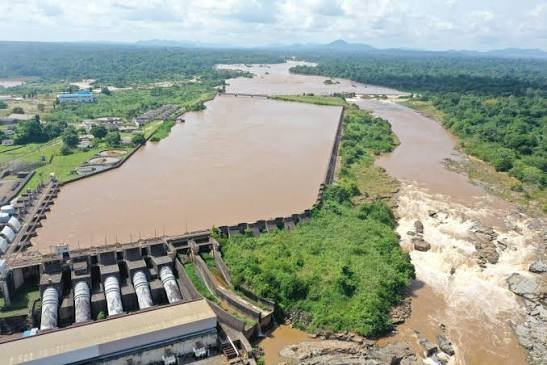
At the centre of the situation are reports that key thermal facilities, including the Kribi and Dibamba power plants, have scaled down or suspended production. These plants play a critical role in stabilising the national grid, especially during peak demand periods.
The reduction in output has quickly translated into renewed fears of electricity shortages, with households and businesses already accustomed to intermittent power supply now bracing for potential worsening conditions.
Industries in particular are expected to feel the pressure if outages become more frequent or prolonged, given their reliance on consistent energy for production.
Financial Disputes and Debt Pressures at the Core
Government authorities are currently engaged in urgent efforts to stabilize the situation. According to sector stakeholders, discussions are ongoing around debt restructuring within the energy ecosystem, aimed at addressing long-standing payment delays between the state utility system and private operators. These arrears have repeatedly strained relationships across the power generation and distribution chain.
Tax enforcement actions have also been cited among the contributing factors behind the temporary reduction in output, further complicating an already fragile financial environment in the sector.
Structural Weaknesses in Cameroon’s Power System
Beyond the immediate disruption, the latest developments highlight deeper structural weaknesses in Cameroon’s electricity financing model. Industry analysts point to a recurring cycle: limited liquidity within the sector, delayed payments to producers, and subsequent reductions in generation capacity.
This pattern has contributed to persistent instability despite ongoing reforms and infrastructure investments.
As authorities work to restore full output and reassure consumers, the current situation underscores a broader challenge—ensuring a financially sustainable and reliable power sector capable of supporting Cameroon’s economic growth ambitions.
For now, attention remains on whether ongoing negotiations will quickly resolve the financial bottlenecks and prevent further disruptions to an already fragile electricity supply system.