



Senegal – Ousmane Sonko’s election as President of Senegal’s National Assembly marks a remarkable political comeback after his removal as Prime Minister. The move confirms that despite changes within the executive branch, Sonko remains a central figure in Senegalese politics with significant influence over the country’s legislative agenda.
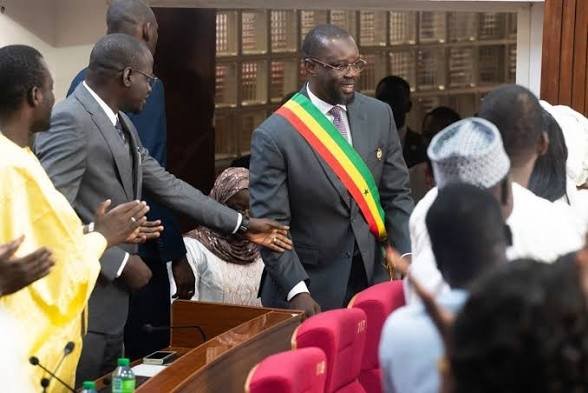
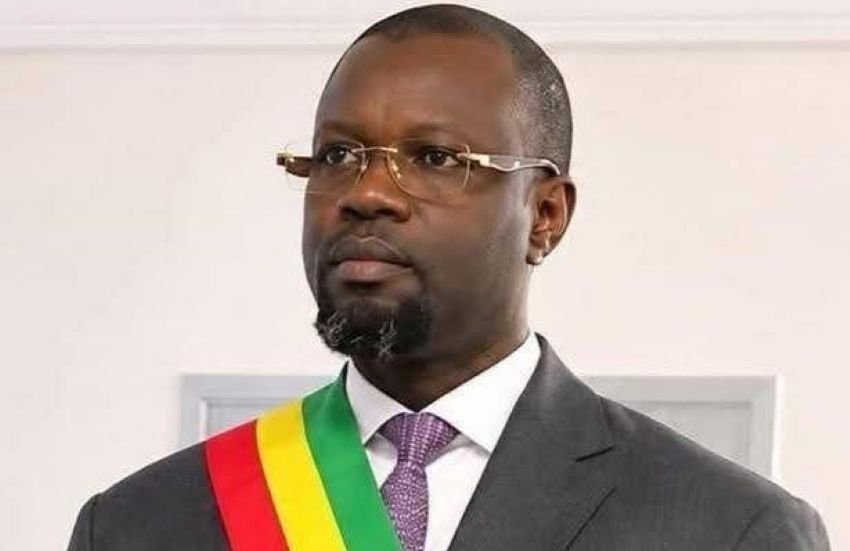
Senegal’s political landscape has taken another dramatic turn as Ousmane Sonko has been elected President of the National Assembly, only days after being removed from the position of Prime Minister by President Bassirou Diomaye Faye.
The vote, held in Dakar on Tuesday, saw Sonko secure an overwhelming parliamentary majority, reinforcing his continued influence within Senegalese politics and the ruling PASTEF movement. His election followed the resignation of former Assembly President Malick Ndiaye, clearing the path for Sonko’s swift return to the center of power.
A New Power Balance Emerging in Senegal
The development signals a shifting political dynamic between President Bassirou Diomaye Faye and his longtime ally-turned-rival. With Sonko now leading parliament and a new Prime Minister appointed, Senegal enters a new phase that could redefine governance, reforms, and political stability in West Africa’s democratic powerhouse.
The development comes amid growing tensions between President Faye and Sonko, once seen as inseparable political allies who jointly led Senegal’s political transition in 2024. Their relationship reportedly deteriorated over disagreements surrounding economic reforms, IMF negotiations, and the management of Senegal’s worsening debt crisis.
Although removed from the executive branch, Sonko’s election to head the legislature ensures he remains one of the most powerful figures in the country.
As President of the National Assembly, he now controls parliamentary proceedings and could significantly shape, or challenge, the government’s reform agenda. Analysts believe the move may deepen institutional tensions while also reshaping Senegal’s political balance ahead of future elections.
Supporters of Sonko have celebrated the development as a democratic comeback and proof of his enduring popularity among lawmakers and grassroots supporters. Critics, however, warn that the rivalry between the presidency and parliament could create political deadlock at a time when the country faces economic uncertainty and mounting pressure from international lenders.
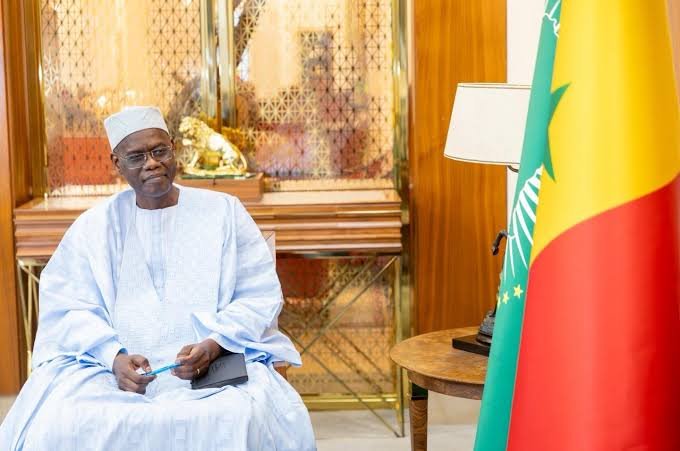
The appointment of economist Ahmadou Al Aminou Lo as the country’s new Prime Minister adds another layer to the unfolding political transition. Attention now turns to whether the leadership can maintain stability while navigating internal divisions within the ruling coalition.
Sonko’s election marks more than a parliamentary reshuffle — it signals the beginning of a new phase in a rapidly evolving power struggle at the top of one of West Africa’s most closely watched democracies.