



Ethiopia is set to hold its parliamentary elections on June 1, 2026, with Prime Minister Abiy Ahmed’s Prosperity Party widely expected to secure a dominant victory.
The party’s strong national structure and political reach continue to place it ahead of a fragmented opposition landscape. However, the election is taking place under complex conditions marked by insecurity, limited political space in some regions, and ongoing governance challenges.
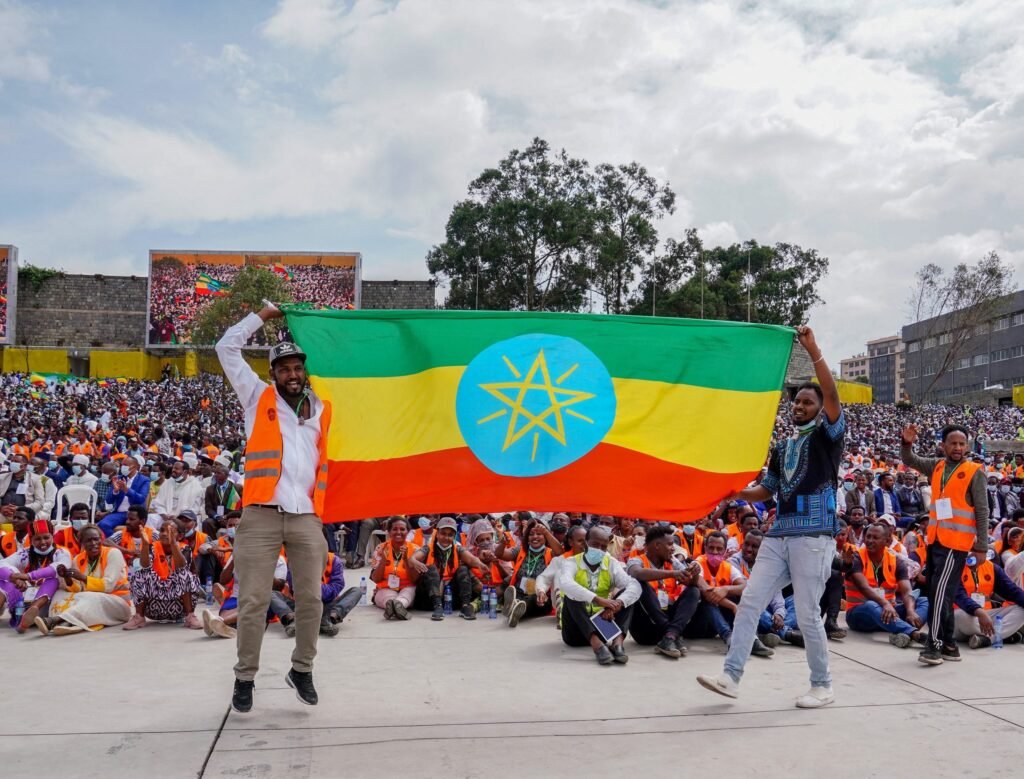
The election will determine all 547 seats in the House of Peoples’ Representatives, which in turn decides the country’s leadership. While the ruling party remains firmly positioned to maintain control, the credibility and inclusiveness of the electoral process remain central points of discussion among analysts and observers.
Security Challenges and Questions Over Democratic Space
Significant security concerns continue to affect the electoral environment, particularly in the regions of Amhara, Oromia, and Tigray. In these areas, ongoing violence and instability have disrupted political activities and limited campaign access. As a result, elections will not be conducted in several constituencies, raising concerns about full national representation in the final outcome.
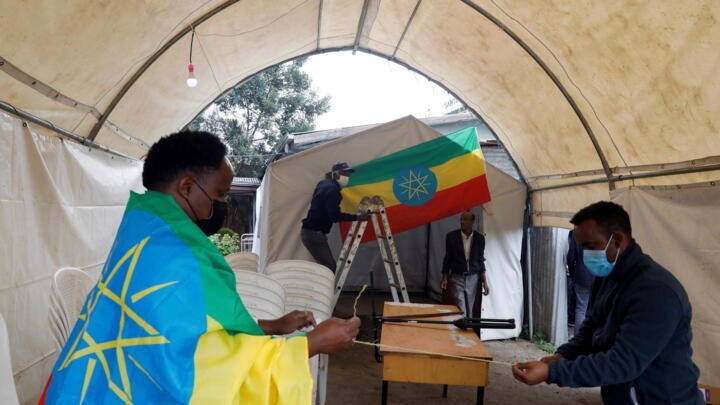
At the same time, Ethiopia’s political opposition remains divided and relatively weakened, with reports of arrests of opposition figures and restrictions on civic activity in some areas. While the government maintains that such measures are necessary for national stability, critics argue that they constrain democratic competition and reduce political inclusiveness.
As Ethiopia approaches election day, the vote is being closely watched as a key test of the country’s post-conflict political direction. Despite the expected dominance of the ruling party, the broader challenges of insecurity, political fragmentation, and institutional trust continue to shape the electoral landscape.