







Africa – The Soft Drink Debate Reigniting Questions Across Africa
A years-old court case involving soft drinks exported from Nigeria to the United Kingdom has resurfaced online, reigniting broader conversations about food safety standards across Africa and the treatment of African consumers by multinational companies.
The issue has gone beyond one country or one brand and now sits at the centre of a wider debate concerning millions of Africans on the continent and in the diaspora: are African markets being held to lower health and safety standards than Europe and North America?
The Case That Sparked Public Concern
The controversy traces back to 2017, when a Nigerian businessman reportedly exported bottles of Fanta and Sprite manufactured in Nigeria to the UK. British authorities seized and destroyed the products after tests found preservative levels that exceeded UK food safety limits.
The matter later reached the courts in Nigeria, where discussions emerged around the use of preservatives such as benzoic acid and sodium benzoate in beverages produced for hotter climates.
What shocked many observers was the apparent contrast between standards.
Nigeria’s regulatory limit for benzoic acid in certain drinks was reportedly higher than the UK’s, and products manufactured for the Nigerian market allegedly contained preservative levels that would not have been permitted in some Western countries.
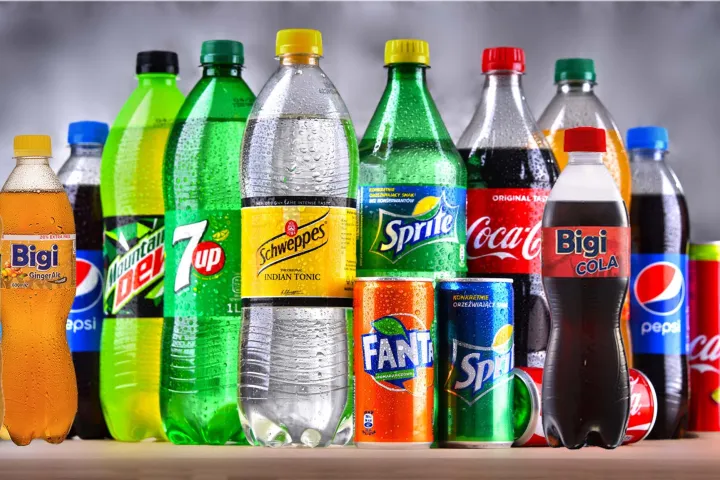
For many consumers, the case raised uncomfortable questions about whether multinational corporations produce different versions of the same products depending on where they are sold.
What Is Benzoic Acid and Why Is It Controversial?
Benzoic acid and sodium benzoate are preservatives commonly used in soft drinks, juices, sauces, and packaged foods to prevent spoilage and extend shelf life. Food scientists note that under specific conditions, particularly when sodium benzoate is combined with vitamin C, heat, and prolonged storage, small amounts of benzene can potentially form.
Benzene is classified as a carcinogen by global health authorities, meaning long-term exposure at certain levels may increase cancer risk. However, experts also caution that the science is more nuanced than many viral social media posts suggest.
The presence of sodium benzoate alone does not automatically create dangerous benzene levels, as factors such as temperature, storage conditions, light exposure, acidity, and overall formulation all influence whether benzene forms.
Regulatory agencies around the world still permit sodium benzoate within specified safety thresholds. For many public health advocates, the larger concern is transparency, enforcement, and whether consumers are adequately informed.
Why Do Standards Differ Across Markets?
Manufacturers and regulators often argue that tropical climates require stronger preservation systems because beverages spoil faster in high temperatures and in regions with weaker cold-chain infrastructure.
Across many African countries, food producers face challenges including extreme heat, irregular refrigeration, long transportation times, unstable electricity supply, and open-air retail storage.
Yet critics argue that this explanation creates another contradiction: if heat contributes to chemical instability, should products sold in hotter regions contain even higher preservative concentrations? That tension lies at the centre of growing public distrust surrounding the issue.
A Wider Debate About Double Standards
The debate has also revived longstanding frustrations about double standards in African markets. Many consumers across Africa and the diaspora believe products sold on the continent are sometimes formulated differently from those sold in wealthier countries.
These concerns extend beyond soft drinks and include cosmetics containing banned ingredients, skin-lightening products with harmful chemicals, imported pharmaceuticals of questionable quality, processed foods with higher sugar or additive content, and counterfeit or poorly regulated goods. Critics argue the problem is not only corporate behaviour, but also weak regulatory enforcement in some African countries.
The Role of Regulators
Nigeria’s food and drug regulator, National Agency for Food and Drug Administration and Control (NAFDAC), has defended its standards in the past, maintaining that approved products meet national safety requirements. Like regulators globally, agencies such as NAFDAC operate using “acceptable daily intake” models designed to determine how much of a substance can be safely consumed over time.
Still, consumer advocates argue that approval does not always equal optimal safety, especially when standards differ significantly across regions. The conversation has therefore become not only scientific, but ethical, with many asking whether consumers in African countries should accept standards that would not be permitted elsewhere.
The Bigger Health Conversation
Health experts also warn against reducing the discussion solely to benzoic acid. Even when preservatives remain within approved limits, excessive consumption of sugary soft drinks has already been linked globally to obesity, type 2 diabetes, hypertension, kidney disease, dental problems, and cardiovascular illness.
Africa is experiencing rising rates of non-communicable diseases, especially among younger urban populations.
According to the World Health Organization, unhealthy diets and excessive sugar intake are increasingly contributing to public health pressures across low- and middle-income countries. For parents especially, nutrition experts recommend moderation, dietary awareness, and healthier alternatives rather than fear-driven reactions.
The Return to Traditional African Alternatives
One striking outcome of the online debate has been renewed interest in traditional African beverages and locally prepared drinks. Across West, Central, East, and Southern Africa, many communities already consume alternatives such as zobo, kunnu, tigernut milk, tamarind drinks, fresh coconut water, and homemade fruit juices.
Nutritionists note that these drinks can still contain sugar depending on preparation methods, but they generally avoid many industrial preservatives found in heavily processed beverages. As a result, the discussion has evolved into something larger than soft drinks alone. It has become part of a broader conversation about food sovereignty, local nutrition, and consumer awareness.
What Consumers Can Do
Experts recommend practical steps rather than panic. Consumers are encouraged to read ingredient labels carefully, moderate their intake of highly processed drinks, reduce excessive sugar consumption, store beverages away from heat and direct sunlight, encourage balanced diets for children, and support stronger food safety enforcement.
There are also growing calls for corporations and regulators to provide greater transparency around product formulation and public health risks.
A Question of Trust
Ultimately, the controversy reflects a deeper issue confronting many African societies: trust. Trust in regulators, trust in multinational corporations, and trust that African consumers deserve the same protections as consumers elsewhere.
Whether or not every viral claim surrounding preservatives proves scientifically accurate, the public reaction reveals a growing unwillingness among Africans, both at home and in the diaspora, to accept perceived double standards in health and consumer protection.
As consumer awareness expands across the continent, companies operating in African markets may increasingly face pressure not only to meet legal standards, but also to explain why those standards differ from one region to another.