







Nigeria – ECOWAS Official Says Regional Trade Integration Will Shape West Africa’s Economic Future
An official of the Economic Community of West African States has projected that Nigeria could emerge as the world’s fifth-richest country within the next 50 years if regional economic integration across West Africa continues to expand.
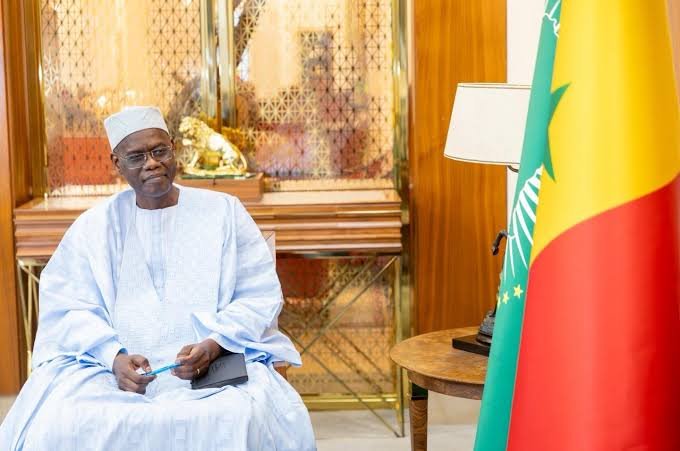
Dr. Kalilou Sylla, a commissioner within the regional bloc, made the remarks while discussing the long-term economic potential of West African nations and the importance of strengthening intra-African trade.
According to Sylla, Ghana and Côte d’Ivoire could also rise into the world’s top 15 economies within the next 25 years if current economic trends and regional cooperation efforts are sustained.The commissioner stressed that the future prosperity of Nigeria and other West African countries will depend less on Western markets and more on stronger economic partnerships within the region.
Regional Trade Seen as Key to Nigeria’s Economic Rise
Speaking on the future of the West African economy, Sylla argued that regional trade integration under ECOWAS could become the main driver of industrial growth, infrastructure expansion, and economic transformation.
He noted that Nigeria, Africa’s most populous nation and one of its largest economies, possesses the demographic and market potential to become a global economic powerhouse. However, he emphasized that this growth would require deeper collaboration among ECOWAS member states.
Sylla said stronger trade links between countries such as Nigeria, Ghana, and Côte d’Ivoire could accelerate industrial production, improve cross-border commerce, and reduce dependence on external economies.He also pointed to the growing role of African consumers, entrepreneurs, and regional businesses in shaping the continent’s economic future.
ECOWAS Institutions Accused of Falling Behind
The ECOWAS commissioner warned that regional institutions are currently moving slower than the pace of economic cooperation already taking place among citizens and private businesses.
According to him, many traders, startups, and investors across West Africa are already building informal regional networks despite administrative and policy barriers.Sylla argued that ECOWAS institutions must modernize faster to support the growing demand for easier movement of goods, services, and investments across member states.
Analysts say the comments reflect increasing calls for African economies to prioritize regional integration under frameworks such as the African Continental Free Trade Area (AfCFTA), which aims to boost trade among African nations and reduce reliance on foreign markets.
West Africa’s Economic Ambitions Continue to Grow
Nigeria remains one of Africa’s leading economies, supported by its large population, energy sector, technology industry, and expanding consumer market. Meanwhile, Ghana and Côte d’Ivoire have recorded steady economic growth in recent years through investments in infrastructure, agriculture, finance, and manufacturing.
Economic experts believe improved transport systems, regional energy projects, digital innovation, and trade reforms could significantly reshape West Africa’s economic position over the coming decades.
The latest remarks from ECOWAS leadership are likely to fuel further debate about Africa’s economic future, regional self-reliance, and the long-term impact of intra-African trade partnerships.