




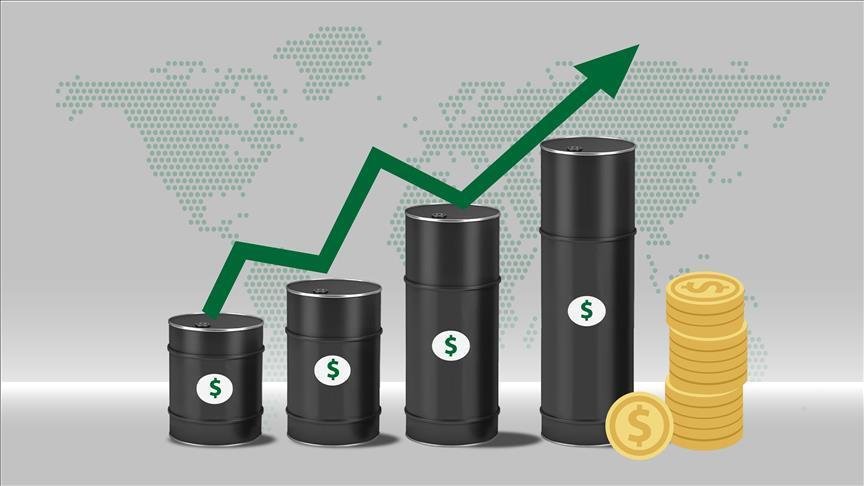
Africa faces a growing fuel crisis as the Middle East war disrupts energy supplies and triggers shortages across multiple countries.
Several African nations are already feeling the immediate impact of the escalating conflict involving the United States, Israel, and Iran, particularly through disruptions in oil shipments via the Strait of Hormuz. Countries heavily dependent on imported fuel are now grappling with shortages, forcing governments to take emergency measures to stabilize supply and manage consumption.
Mauritius has introduced restrictions on non-essential electricity usage after its reserves of heavy fuel oil dropped significantly. Authorities expect relief only after a delayed shipment arrives from Singapore in early April. Meanwhile, South Sudan’s capital, Juba, has begun rationing electricity due to insufficient fuel supplies to power generators.
The ripple effects are spreading across the continent. Uganda has reported dwindling diesel and petrol stocks, prompting urgent efforts to secure alternative supply routes. In Kenya, around 20% of fuel stations are experiencing shortages, although officials insist that national reserves remain stable and attribute the situation partly to panic buying.
Nigeria Business Sector
Nigeria’s business sector is also raising alarms. Industrial leaders warn that a prolonged crisis could disrupt productivity and potentially force companies to adopt remote work policies, similar to those seen during the COVID-19 pandemic. Such shifts could have significant consequences for workers in vulnerable sectors.
In South Africa, fears of upcoming fuel price increases have triggered a surge in bulk purchasing, leading to localized diesel shortages. However, authorities maintain that overall supply remains sufficient and blame “artificial demand” caused by panic buying.
This unfolding crisis underscores Africa’s vulnerability to global geopolitical shocks, particularly in energy. Analysts argue that the situation highlights the urgent need for long-term strategies focused on energy diversification, regional cooperation, and investment in renewable resources.
As the Middle East conflict continues, African governments are being forced to respond rapidly, balancing short-term crisis management with the long-term imperative of reducing dependency on volatile global energy markets.