



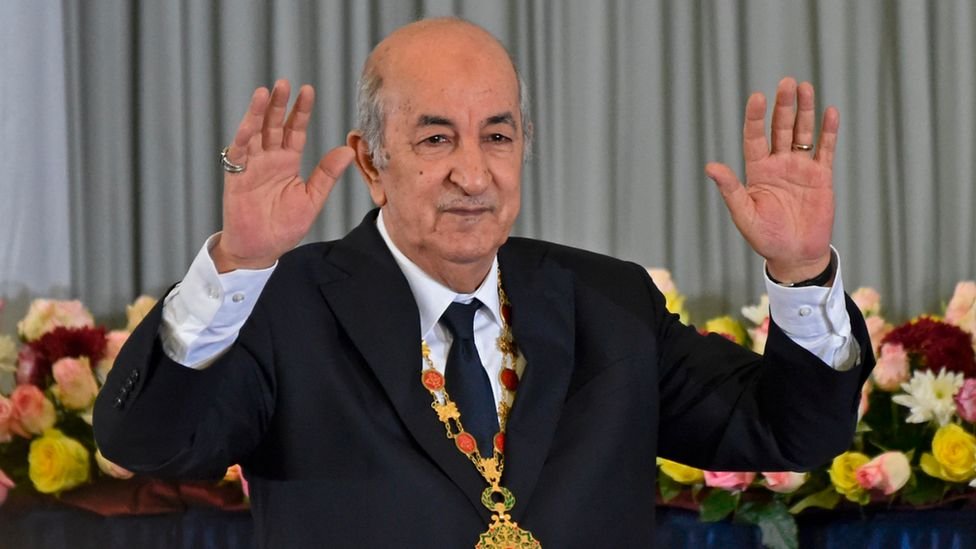
Algeria President Abdelmadjid Tebboune is consolidating power through controversial constitutional reforms that critics say weaken democratic institutions.
In a move that has sparked widespread debate, Algeria’s parliament has approved a series of amendments that significantly expand presidential authority. The reforms, presented as technical adjustments, were passed without a public referendum, raising concerns among observers about transparency and democratic accountability.
One of the most notable changes involves the restructuring of the High Council of the Judiciary. Independent members have been removed, effectively placing greater control of the judiciary under presidential influence. Analysts warn that this could erode checks and balances within the political system.
Electoral reforms have also drawn criticism. Responsibilities previously held by the National Independent Electoral Authority have been transferred back to government ministries, reversing key safeguards introduced after the Hirak protest movement. These changes are seen by many as a step backward for electoral transparency.
Additionally, new eligibility requirements for presidential candidates, including stricter education criteria, are being interpreted as barriers to grassroots political participation. Critics argue that such measures limit political competition and favor established elites.
The reforms come amid a broader climate of political repression, with restrictions on unions, political parties, and civil society organizations intensifying in recent years. Observers note that the current trajectory suggests a consolidation of power reminiscent of earlier authoritarian periods in Algeria’s history.
Supporters of the government, however, argue that the reforms are necessary to ensure stability and streamline governance. They contend that strong leadership is essential in navigating economic and security challenges facing the country.
As Algeria moves forward under these new constitutional arrangements, the balance between stability and democratic governance remains a central issue. The long-term implications of these reforms are likely to shape the country’s political landscape for years to come.