




Libya is facing growing international pressure following the detention of political activist Al-Mahdi Abdulati. The arrest of Al-Mahdi Abdulati by Libya’s Internal Security Agency has drawn widespread condemnation from international organizations and human rights groups.
Abdulati, known for his outspoken views on governance and political reform, was detained in Misrata under circumstances that remain unclear.
Eventhough, the United Nations and several advocacy groups have called for his immediate release, raising concerns about the shrinking space for political dissent in Libya.
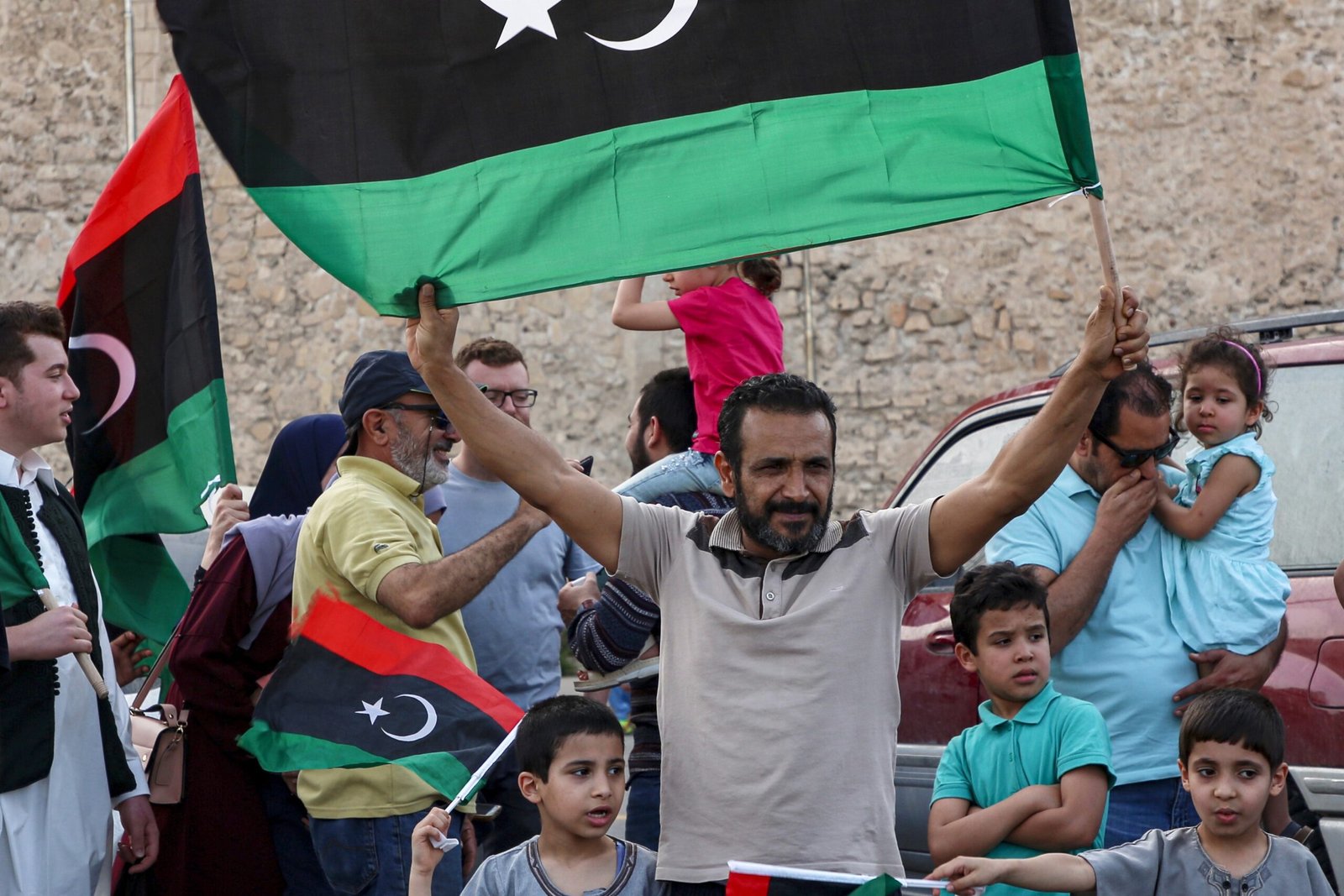
The case has become a focal point in ongoing discussions about human rights and the rule of law in the country.
The political landscape remains deeply fragmented, with competing authorities and armed groups exerting influence in different regions. In this context, the detention of activists is seen by many as part of a broader pattern of suppressing opposition voices.
Domestically, reactions have been mixed. While some government supporters argue that national security considerations justify strict measures, critics insist that such actions undermine efforts to build a democratic and inclusive political system.
However, the situation has attracted international attention, with foreign governments urging Libyan authorities to uphold fundamental freedoms.
Moreso, analysts warn that continued repression could hinder Libya’s prospects for political stability and international cooperation. As pressure mounts, the handling of Abdulati’s case is likely to have significant implications for the country’s global standing and its ongoing transition process.