




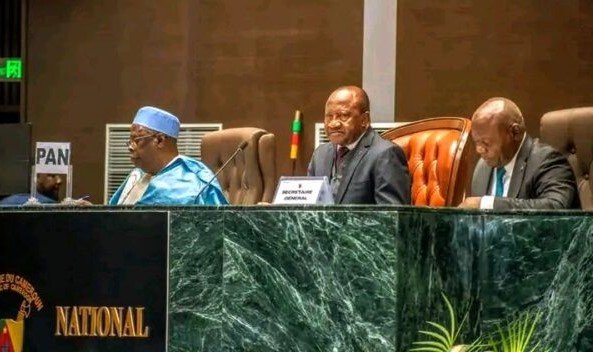
Cameroon National Assembly has adopted a bill extending the mandate of Members of Parliament until December 20, in a move that has stirred both political debate and public interest.
The decision was reached during a tense plenary session chaired by Speaker Théodore Datouo, reflecting the weight and urgency surrounding the issue.
The extension comes at a time when the country’s electoral calendar remains uncertain, with authorities citing the need to ensure proper organization, security, and transparency of upcoming legislative elections.
By pushing the deadline, lawmakers aim to avoid a constitutional vacuum that could arise if mandates expire before new representatives are elected and sworn in.
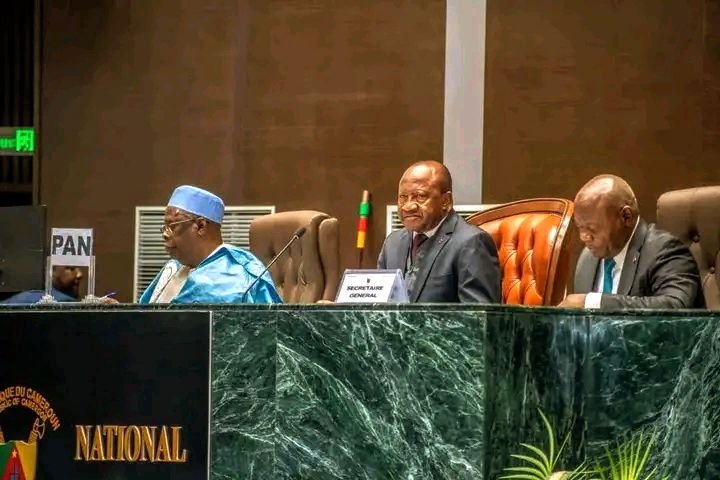
However, the bill did not pass without resistance.While supporters argue that the extension is a pragmatic solution to logistical and administrative challenges, critics within the assembly have raised concerns about democratic integrity and the precedent it sets.
Some opposition voices view the move as a delay tactic that could weaken electoral accountability and public trust in institutions.
The decision also highlights broader political tensions in Cameroon, where questions around governance, electoral reforms, and institutional transparency continue to shape national discourse.
For many observers, the extension is not just a procedural adjustment but a reflection of deeper structural challenges within the country’s political system.
As the new December 20 deadline approaches, attention will increasingly turn to electoral authorities and the government to outline clear timelines and guarantees for credible elections.
The coming months are expected to be critical in determining whether this extension serves as a stabilizing measure, or further fuels political uncertainty.