





Tensions between the United States and Iran have once again surged to dangerous levels, reviving fears of a broader Middle Eastern war with global consequences.
What began as strategic rivalry decades ago, rooted in ideological differences, nuclear ambitions, sanctions, and regional influence, has evolved into a volatile standoff marked by military threats, proxy confrontations, and economic pressure.
The latest escalation underscores how fragile stability in the region remains and how quickly diplomatic breakdowns can spiral into confrontation.
At the core of the conflict lies Iran’s nuclear program and Washington’s determination to prevent Tehran from acquiring nuclear weapons capability. The United States has long accused Iran of pursuing nuclear enrichment beyond civilian energy needs, while Iran maintains that its program is peaceful.
The collapse of previous nuclear agreements and the reimposition of strict economic sanctions deepened mistrust. Over time, both nations shifted from indirect pressure tactics to more direct displays of force — including targeted strikes, cyber operations, and military buildups across the Gulf.
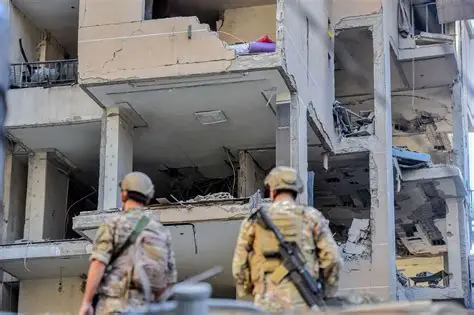
The conflict is not confined to the two nations alone. Iran’s network of regional allies and proxy groups has expanded the battlefield beyond its borders. Armed groups aligned with Tehran operate in Lebanon, Iraq, Syria, and Yemen, often clashing with U.S. forces or American allies such as Israel and Saudi Arabia.
In response, the United States has strengthened its military presence in strategic Gulf states, reinforcing bases and naval patrols to deter further aggression. This web of alliances makes any confrontation highly combustible, as a single strike can trigger a chain reaction across multiple countries.
One of the most critical flashpoints remains the Strait of Hormuz — a narrow waterway through which a significant portion of the world’s oil supply passes. Any threat to shipping routes there sends shockwaves through global energy markets.
Even minor escalations have historically led to spikes in oil prices, higher transport costs, and inflationary pressure worldwide. For developing nations already battling economic strain, such disruptions can translate into rising fuel prices, increased food costs, and slower growth.
Beyond military maneuvers, the conflict has increasingly moved into cyber warfare and economic strategy. Both sides have demonstrated capabilities to disrupt digital infrastructure, financial systems, and communications networks.
Sanctions continue to weigh heavily on Iran’s economy, while political debates within the United States question the cost and long-term strategy of sustained confrontation. The domestic implications in both countries add further complexity to diplomatic efforts.
Despite repeated calls for dialogue from global powers, rebuilding trust remains a steep challenge. Diplomatic channels have opened and closed multiple times, often collapsing under accusations of bad faith or violations.
Each round of escalation hardens positions and narrows space for compromise. Meanwhile, ordinary citizens in the region bear the greatest burden — facing uncertainty, economic hardship, and the looming fear of broader war.
The trajectory of the US–Iran conflict will shape not only Middle Eastern geopolitics but also global economic stability. Whether through renewed diplomacy or continued confrontation, the decisions made in Washington and Tehran in the coming months will carry consequences far beyond their borders.
The world watches closely, aware that miscalculation on either side could ignite a conflict far larger than either nation intends.