




The European Parliament has issued a stern warning to the government of Tanzania, threatening to suspend European Union development funds in response to reports of post-election violence that followed the country’s 2026 elections. Lawmakers expressed concern over clashes between security forces and opposition supporters, citing accounts of intimidation, arbitrary arrests, and restrictions on political gatherings. The move signals a growing willingness by the EU to hold African governments accountable for democratic standards while balancing delicate diplomatic relations.
Tanzania has long been a major recipient of EU aid, receiving millions annually to support infrastructure projects, health care programs, education initiatives, and economic development schemes. A suspension of funding could have a serious impact on these programs, potentially delaying infrastructure repairs, limiting educational resources, and curbing investments in public health. EU officials argue that withholding funds is not punitive but a strategic measure to encourage adherence to democratic norms and human rights.


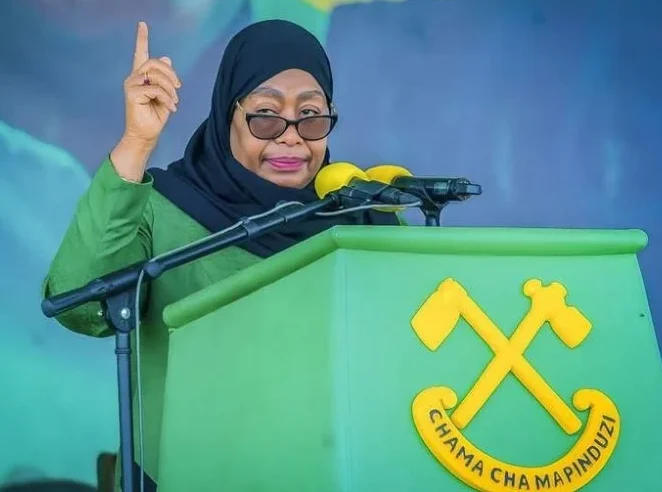
President Samia Suluhu Hassan acknowledged international concern while emphasizing the importance of national sovereignty. “We are committed to investigating all allegations of misconduct and ensuring the integrity of our electoral processes,” she said during a press briefing. Meanwhile, opposition leaders and civil society groups insist that security forces’ heavy-handed response violated constitutional guarantees and further suppressed political dissent.
Observers point out that Tanzania’s situation mirrors broader trends in East Africa, where governments face increased scrutiny amid contested elections. Countries like Kenya, Uganda, and Ethiopia have similarly been pressured to uphold democratic principles to maintain international aid and investment. Analysts argue that the EU’s stance represents a recalibration in foreign policy, favoring conditional engagement that leverages finansqqwqcial support to promote institutional reform.
Public reactions in Tanzania have been mixed. Some citizens view the EU’s warning as an opportunity to push for greater political accountability, while others perceive it as external interference that could exacerbate tensions. Local media outlets report growing discussions on the role of civil society in electoral oversight, emphasizing the need for transparency in both government and opposition activities.
Political scientists note that the coming months are critical. If the Tanzanian government demonstrates a genuine commitment to electoral reform, the EU could maintain funding and foster a cooperative relationship. Conversely, failure to address democratic concerns could result in sanctions, diminishing Tanzania’s regional influence and development prospects. In the eyes of international observers, Tanzania’s post-election response will not only shape domestic politics but also serve as a test case for EU engagement with emerging democracies across Africa.