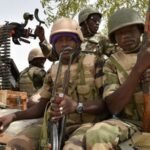

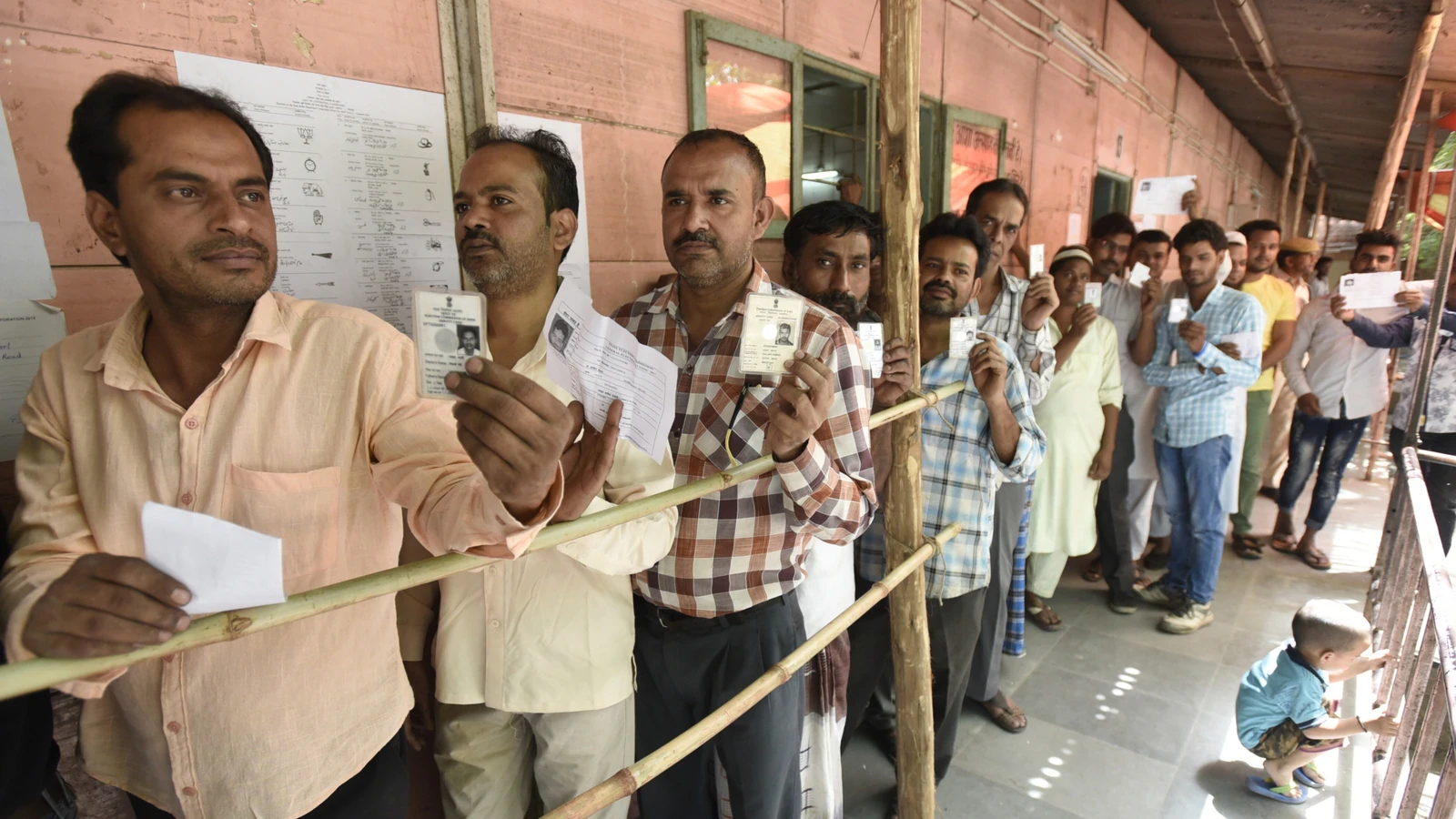

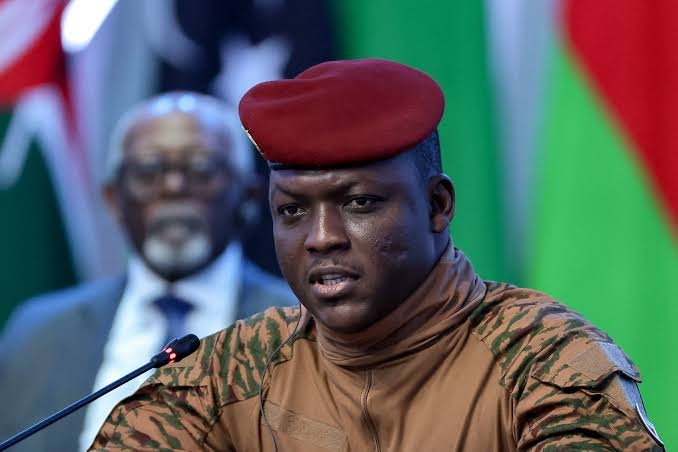
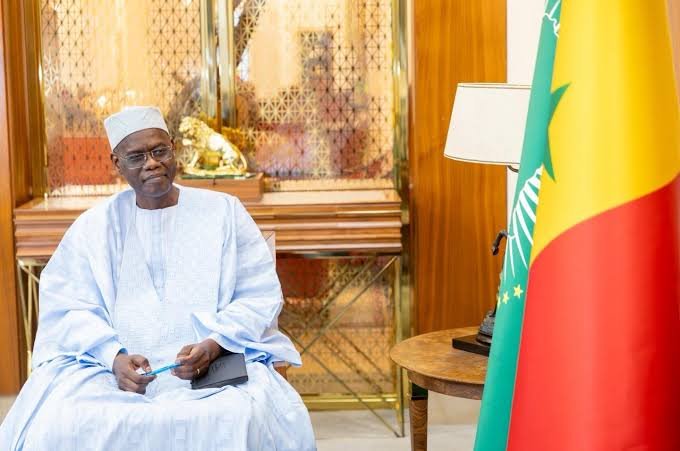


Guinea-Bissau has descended into political chaos following the annulment of the presidential election by military leaders, who cited allegations of voter fraud and security concerns. The decision came after intense clashes erupted between supporters of rival candidates, with gunfire reported in the capital Bissau. Protesters demanded clarity and accountability, while the military announced plans to reschedule elections for late 2026, promising to stabilize the political environment before resuming democratic processes.
The coup has alarmed regional organizations, particularly the Economic Community of West African States (ECOWAS), which condemned the military’s unilateral actions and called for a swift return to constitutional order. Analysts warn that repeated disruptions to the electoral process could erode public trust, discourage international investment, and impede economic development in a country already vulnerable to political instability.


Guinea-Bissau’s political history has been marred by coups, factionalism, and weak governance structures. Observers note that the annulment reflects both longstanding institutional fragility and the contentious nature of the recent election. With national security forces deeply involved, questions arise about the military’s role in politics and the potential for power consolidation by unelected actors.
Opposition leaders have expressed frustration at what they perceive as a deliberate attempt to undermine democratic representation. Meanwhile, civil society organizations have intensified advocacy efforts, calling for electoral reforms, transparent monitoring, and protections for voters and political activists. International mediators are actively engaging with all parties to avoid further escalation.
Economically, Guinea-Bissau risks stagnation as political uncertainty disrupts trade, investment, and development programs. Analysts suggest that a careful balancing act is required: ensuring credible elections while addressing security concerns, protecting human rights, and maintaining regional and international support.
The coming months are critical. Military leaders, political parties, and international stakeholders must collaborate to restore electoral credibility and prevent further destabilization. Failure to do so could plunge Guinea-Bissau into a prolonged period of political fragmentation, with serious implications for West African stability and development. The situation serves as a stark reminder of the fragile nature of democracy in nations with histories of repeated political interruptions.