
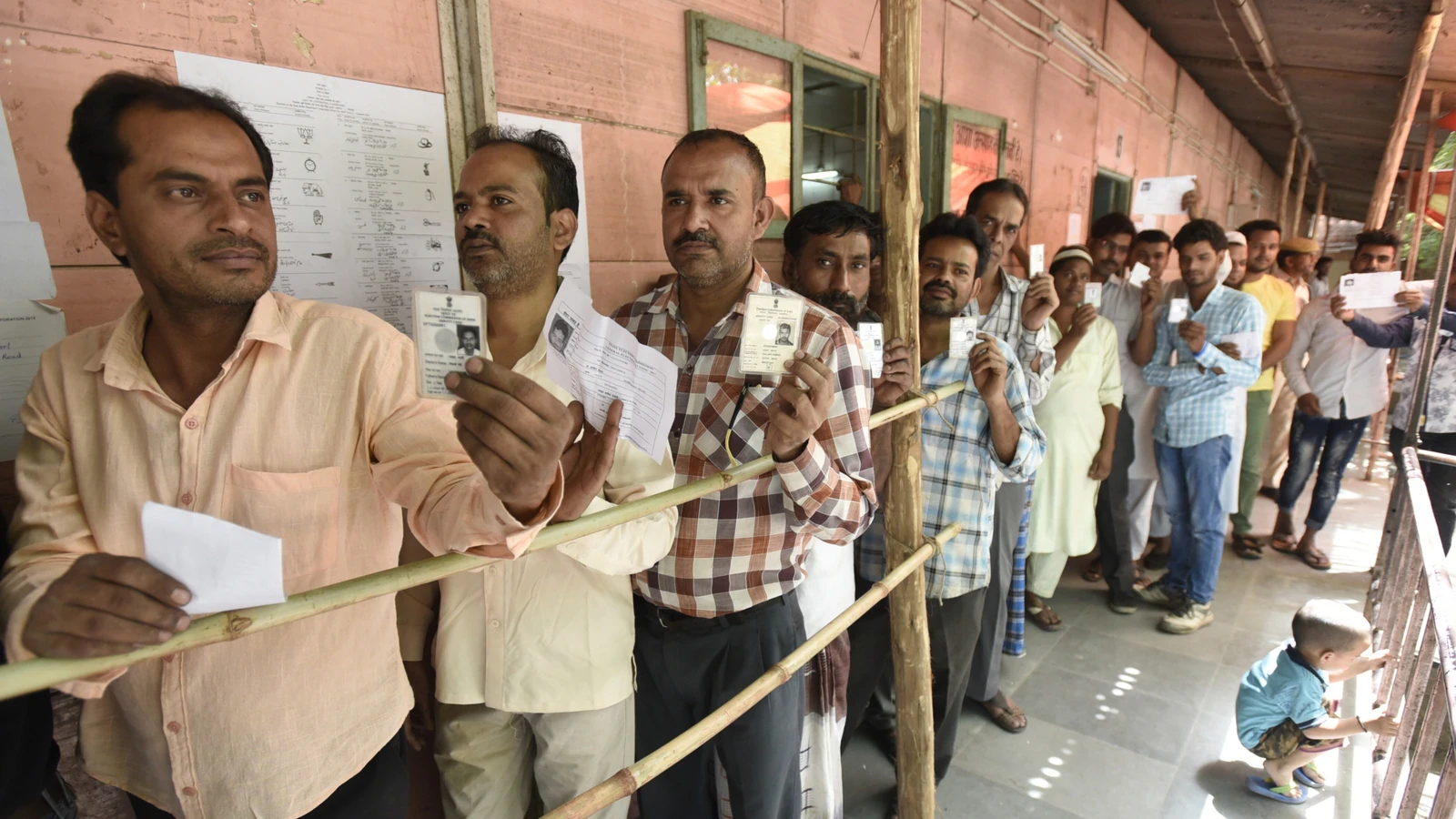


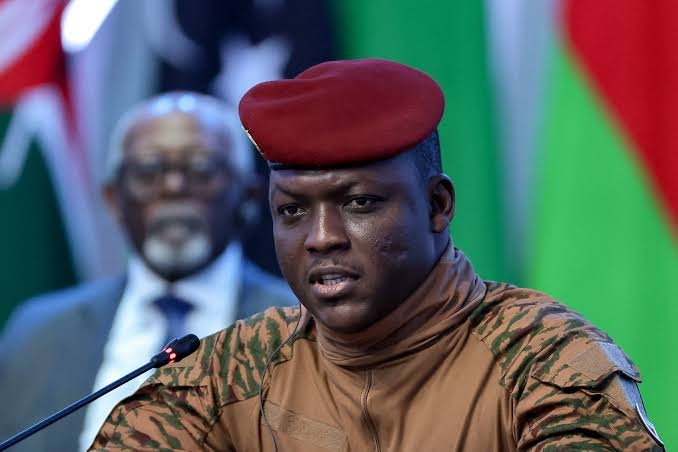
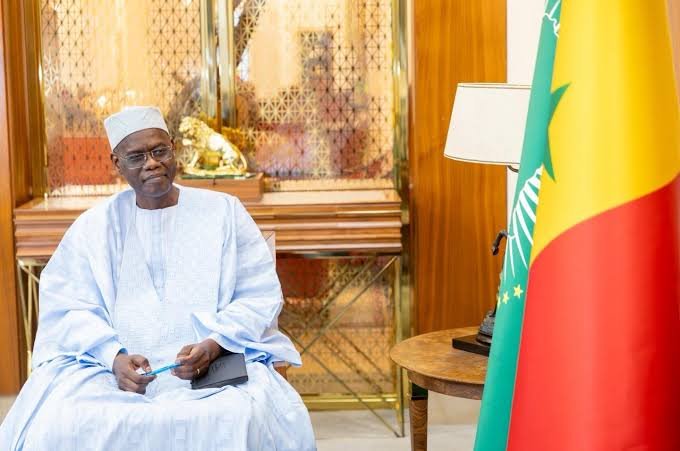

Faustin-Archange Touadéra’s recent confirmation for a third term as President of the Central African Republic (CAR) has ignited domestic and international debate over the country’s democratic trajectory. Opposition parties have alleged widespread electoral fraud, claiming voter intimidation, ballot tampering, and irregularities in the vote-counting process. While the administration celebrates continuity and stability, critics argue that extending Touadéra’s rule without full electoral legitimacy risks undermining political reforms and long-term peace.
The CAR has struggled with armed conflict and political instability for over a decade. Touadéra’s supporters argue that his leadership ensures continuity of reconciliation programs and security operations, particularly in regions affected by rebel activity. They contend that a sudden change in leadership could destabilize the fragile post-conflict order. Nonetheless, opposition groups emphasize that legitimacy derives from fair and transparent elections, warning that repeated accusations of fraud could erode public trust and exacerbate tensions.


International organizations, including the African Union and the United Nations, have urged an impartial review of election complaints. They stress that the country’s recovery depends on credible institutions and political accountability. Some neighboring governments have expressed cautious support for Touadéra while emphasizing the need for dialogue and inclusion of opposition voices in governance. Analysts suggest that donor nations will closely monitor CAR’s political environment before committing additional financial or humanitarian assistance.
Civil society in CAR has emerged as a crucial voice, documenting irregularities and advocating for political reforms. Activists emphasize the importance of voter education, independent monitoring, and protection of human rights. Amidst ongoing challenges such as poverty, infrastructure deficits, and displacement, citizens are increasingly vocal about the need for governance that prioritizes transparency and the rule of law.
The third term victory presents both opportunities and risks. While continuity may allow the government to deepen reforms in security, economic recovery, and reconciliation, unchecked authority could entrench corruption and weaken democratic accountability. Analysts note that CAR’s experience reflects a broader African trend: balancing stability in post-conflict states with the promotion of democratic governance remains a delicate and ongoing challenge.
Looking forward, the country’s trajectory will depend on the government’s response to criticism, engagement with opposition forces, and the international community’s support. How CAR navigates these dynamics will influence not only domestic peace but also regional stability and the credibility of democracy on the continent.