









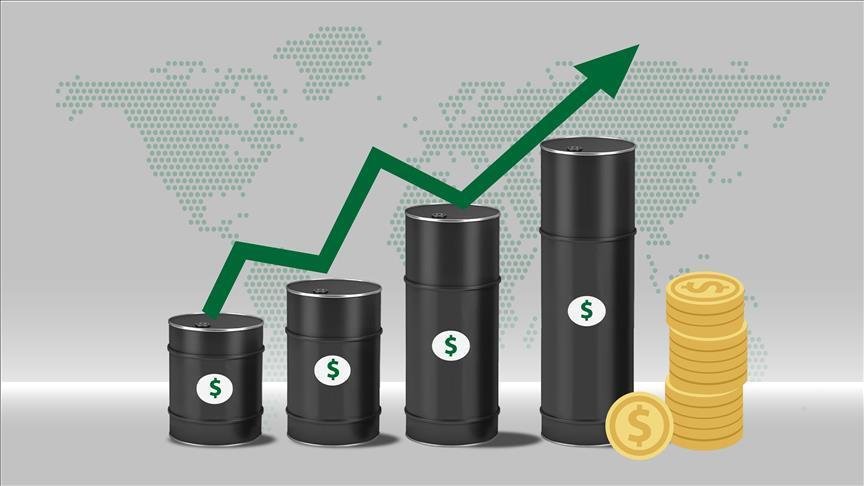
Global oil prices have surged past $100 per barrel, triggering alarm among policymakers, businesses, and households around the world. The sharp increase is largely driven by geopolitical tensions in key oil-producing regions, combined with production adjustments by major exporters and rising global demand. Economists warn that sustained high energy costs could fuel inflation, slow economic growth, and put additional pressure on vulnerable economies.
For energy-importing nations, particularly in Europe and Asia, the surge has highlighted vulnerabilities in existing supply chains and energy dependencies. Governments are considering a range of responses, from temporary subsidies to households and businesses, to strategic investments in renewable energy. In countries such as Germany, France, and Italy, discussions about accelerating solar, wind, and nuclear energy projects have moved to the forefront of policy debates. Analysts note that diversifying energy portfolios is no longer a long-term consideration—it is an immediate priority.


Meanwhile, oil-exporting nations are experiencing contrasting dynamics. Higher prices increase government revenues and strengthen national budgets, providing opportunities for infrastructure investment, social programs, and debt repayment.
However, economists caution that over-reliance on volatile oil markets can create long-term economic instability. Countries heavily dependent on oil exports may face serious challenges if global demand shifts toward alternative energy or if geopolitical tensions disrupt trade.

Financial markets have reacted with volatility as investors weigh the implications of rising energy costs. Inflationary pressures are being closely monitored by central banks, which may adjust interest rates to counteract the potential economic impact. Transportation, manufacturing, and consumer goods sectors are particularly vulnerable, as rising fuel prices ripple through supply chains, increasing production costs and reducing profit margins.
The political implications are equally significant. Governments are under pressure to balance short-term relief measures with long-term energy security strategies. Rising oil prices have also reignited debates over fossil fuel dependency, climate commitments, and sustainable development goals.
Public opinion is divided: while some see high prices as a necessary incentive to transition to renewable energy, others criticize policymakers for failing to protect households from immediate economic strain.
Experts emphasize that this surge underscores the fragile balance between energy demand, geopolitical stability, and environmental priorities. Countries that act decisively to diversify energy sources and invest in sustainable infrastructure are likely to mitigate future risks, while those that remain overly dependent on fossil fuels may face heightened economic and political pressure.
The coming months are expected to determine whether the current oil price surge becomes a temporary shock or a transformative moment that accelerates the global transition toward renewable energy and reshapes international energy policy.