





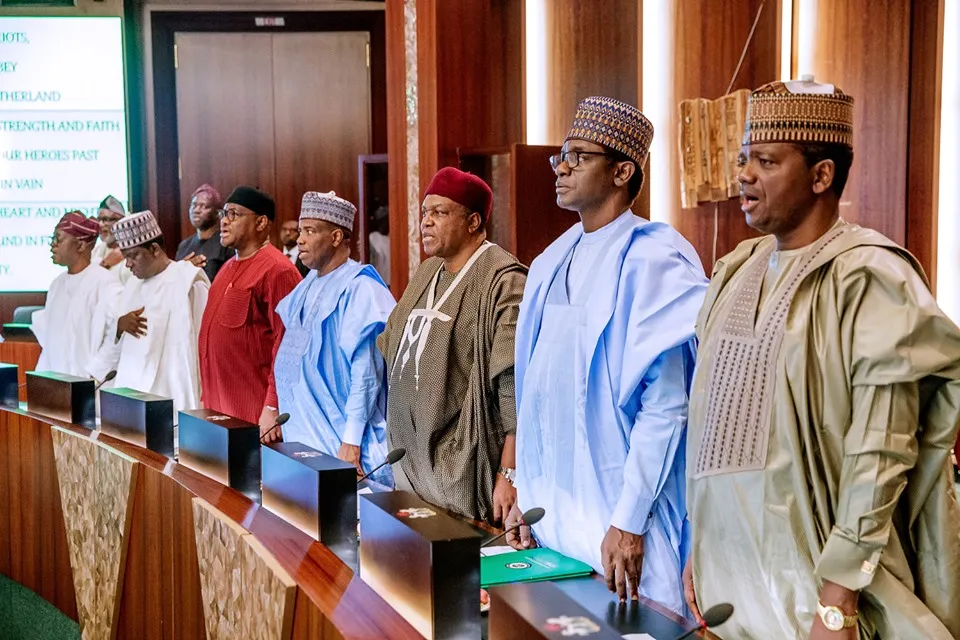
Nigeria is once again at the center of a heated debate over federalism, as politicians, civil society groups, and regional leaders call for constitutional reforms to address longstanding governance challenges. The discussions focus on how political power and economic resources are distributed across Nigeria’s diverse regions, highlighting persistent tensions over representation, resource control, and national unity.
Central to the debate is the management of natural resources, particularly oil. Oil-producing regions have long argued that they should retain a larger share of revenues generated from their territories to fund local infrastructure and development projects.
Many state governments advocate for increased fiscal autonomy, arguing that decentralization could improve governance and make public service delivery more effective.


Supporters of reform contend that granting greater powers to states could reduce friction between federal and regional authorities and promote more equitable economic growth. Decentralization, they argue, would allow local governments to tailor policies to the unique needs of their communities, fostering innovation and addressing issues such as unemployment, education, and healthcare access.
Opponents of radical decentralization caution that weakening the central government could exacerbate inequalities among states, create administrative confusion, and potentially undermine national cohesion. They argue that maintaining strong federal oversight is essential for security, economic stability, and the smooth operation of democratic institutions.

Public opinion is deeply divided. Some Nigerians see reform as a critical step toward modern governance that responds to local realities. Others fear that significant changes could fragment the country politically and economically. The debate has also sparked concerns among international observers who emphasize that Nigeria’s stability is vital for West Africa and the broader African continent.
The federal government has initiated consultations with stakeholders across the country, including governors, lawmakers, traditional leaders, and civil society organizations. These discussions aim to explore potential constitutional amendments that balance regional autonomy with national unity.
Analysts note that Nigeria’s federalism debate is not merely about governance structure; it reflects deeper societal dynamics, including ethnic diversity, historical inequalities, and economic development challenges.
How these reforms are implemented could have lasting implications for political stability, citizen engagement, and Nigeria’s trajectory as Africa’s most populous nation, the outcome of this debate will likely shape Nigeria’s political and economic landscape for decades, influencing not only how power is shared but also how citizens perceive their ability to participate in governance and hold leaders accountable.