






The United Kingdom is facing growing domestic scrutiny over its involvement in Middle East military operations, as the government balances alliance commitments with parliamentary oversight and public opinion. British military bases have been used to support allied operations in the region, prompting debates over legality, scope, and strategic priorities.
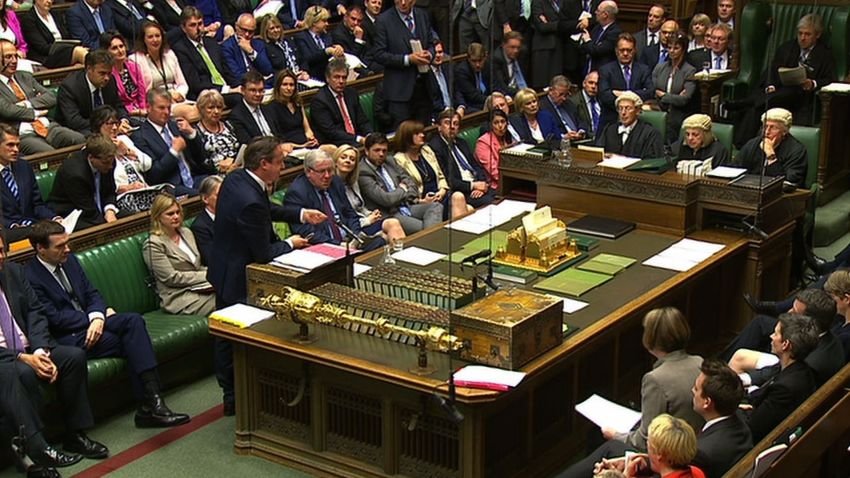
Officials maintain that the UK’s role is primarily logistical and defensive, aimed at protecting international shipping lanes and supporting coalition partners. Nonetheless, opposition politicians argue that parliamentary consultation was insufficient and question the long-term implications for Britain’s foreign policy.
Public opinion is divided. Some citizens support collaboration with allies as a means to maintain global stability and safeguard economic interests. Others fear that involvement in conflict could lead to escalation and place British forces in unnecessary danger. Rising fuel costs and market instability, partially linked to regional tensions, have also intensified public debate about the economic consequences of military engagement.


The issue has revived larger questions about the UK’s post-Brexit role in global affairs. Strategists note that how Britain positions itself in volatile regions may influence its diplomatic relationships, trade agreements, and defense partnerships. The government must weigh operational commitments against domestic scrutiny and international reputation.
Economic considerations play a significant role. Rising energy prices have heightened pressure on households and businesses, prompting calls for policy measures to offset costs. Analysts point out that energy security is increasingly intertwined with foreign policy decisions, particularly in regions where disruptions could impact global supply chains.

Moreover, the debate highlights tensions between strategic necessity and political accountability. While government officials emphasize alignment with allied objectives, critics argue that public support and parliamentary approval are essential to maintain legitimacy. The situation underscores the challenge of balancing national interests with ethical, legal, and economic considerations.
Observers suggest that the coming months will be decisive in shaping Britain’s Middle East policy. Decisions about engagement, troop deployments, and diplomatic coordination will have implications not only for regional stability but also for domestic political cohesion.