







India has unveiled a major legislative push to reform its electoral system, aiming to enhance transparency, improve governance, and strengthen democratic accountability. The new legislation targets several critical areas, including campaign financing, electoral oversight, and voting system modernization.
Under the proposed measures, political parties and candidates will face stricter reporting requirements for campaign contributions, limits on anonymous donations, and increased scrutiny over third-party expenditures. Officials argue that these steps will curb corruption and reduce undue influence in elections, fostering greater fairness and citizen confidence.
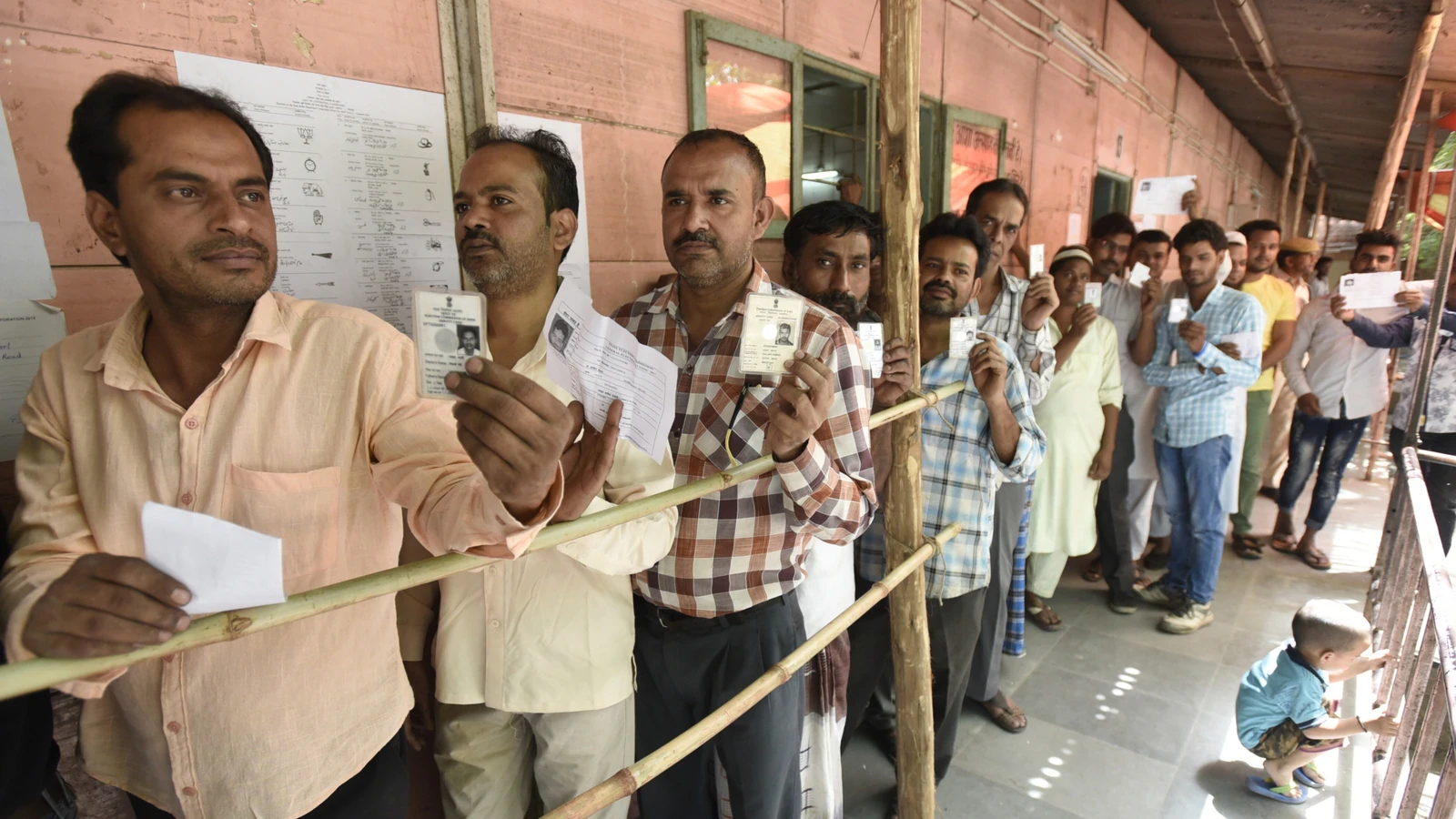
The reforms also include provisions to modernize voting systems. Expansion of electronic voting machines, digital voter registration, and improved ballot security are key elements intended to streamline electoral processes and prevent errors or manipulation. Proponents highlight that India’s status as the world’s largest democracy requires a robust, transparent, and technologically resilient electoral system.
Critics of the legislation, however, express concern that some reforms could inadvertently disadvantage smaller political parties or civil society organizations. They argue that compliance requirements may favor established parties with more resources, potentially limiting political competition. Civil society groups have called for safeguards to ensure that reforms enhance fairness without creating unintended barriers to entry.


The legislation has sparked extensive debate in parliament, reflecting broader discussions about governance, political accountability, and citizen trust. India’s democratic institutions face ongoing pressure to remain responsive and transparent amid rapid societal change and population growth. Ensuring equitable participation while modernizing electoral mechanisms is a delicate balancing act that policymakers must navigate carefully.
Analysts note that the reforms have implications beyond India’s borders. The country’s electoral model serves as a benchmark for other emerging democracies, demonstrating how technology and legislative oversight can enhance democratic processes. Success could inspire similar reforms in other nations seeking to strengthen electoral integrity
The public response has been mixed. Many voters welcome initiatives that limit corruption and improve the electoral process, while others remain skeptical about enforcement and long-term impact. Observers emphasize that effective implementation, monitoring, and civic engagement will ultimately determine the reforms’ success.
As India moves forward with these changes, it signals a commitment to evolving democracy that adapts to contemporary challenges. By prioritizing transparency, accountability, and modernization, the government aims to create a more resilient electoral framework capable of maintaining public trust and supporting inclusive governance.