




Sudan’s transitional government is actively seeking international support to consolidate its democratic transition following years of political unrest and conflict. The government is engaging with international financial institutions, donor countries, and regional organizations to secure funding, technical assistance, and diplomatic backing for reforms aimed at stabilizing governance.
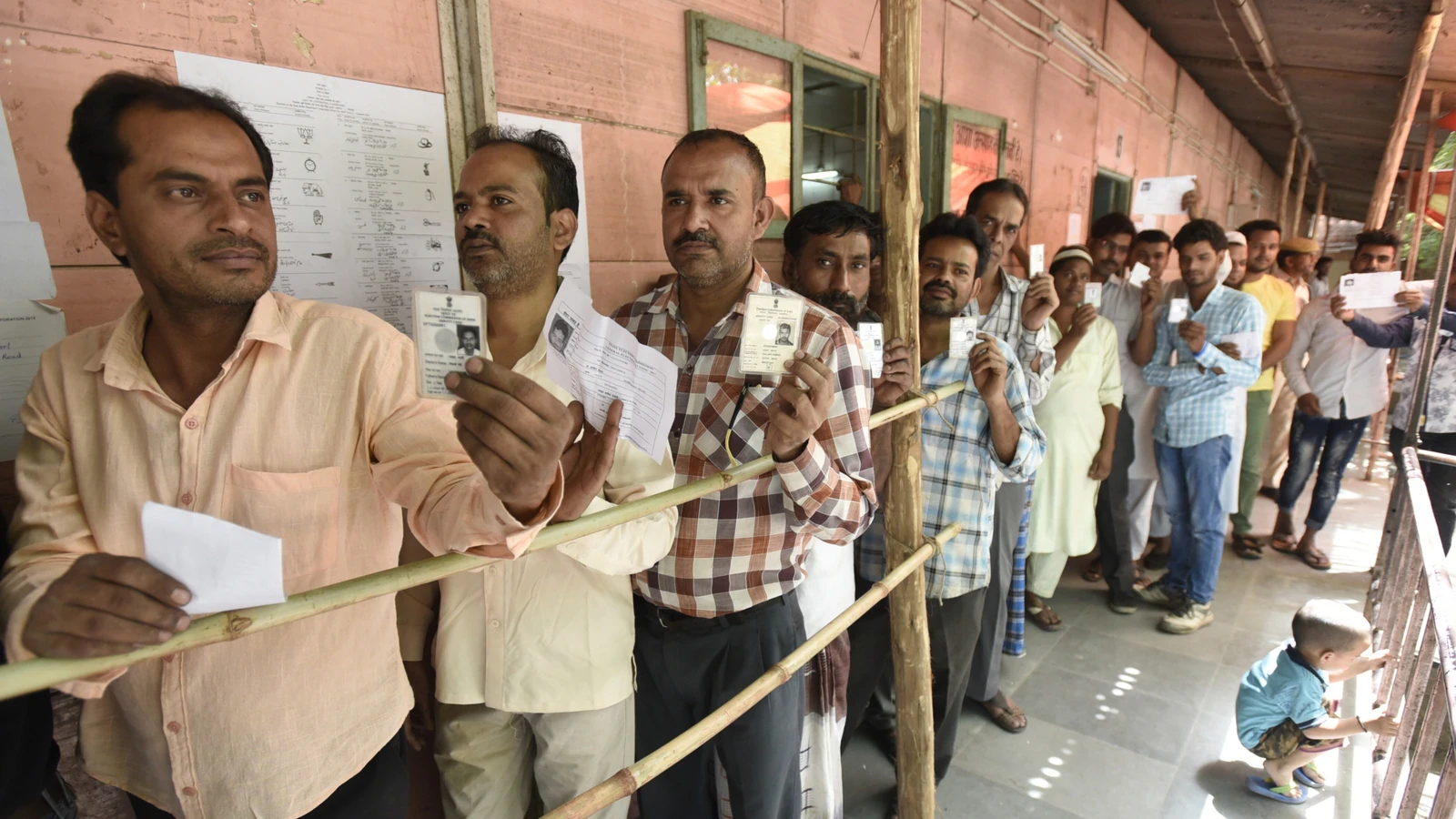
Central to Sudan’s transition is the establishment of democratic institutions, including free and fair elections, an independent judiciary, and accountable legislative bodies. International partners are providing guidance and financial resources to support electoral preparations, voter education, and the development of civil service capacities. These efforts aim to strengthen the foundations of governance and promote transparency.
Economic stabilization is also a key priority. Sudan has faced severe challenges, including high inflation, currency instability, and disrupted trade. International financial assistance is expected to support fiscal reforms, infrastructure projects, and social programs designed to improve living conditions and foster confidence in state institutions. Analysts highlight that economic recovery is essential for ensuring that democratic reforms are sustainable.
Diplomatic support from regional actors, including the African Union and neighboring countries, is critical in maintaining peace and reducing political tensions. Sudan’s transitional government has emphasized dialogue and negotiation with opposition groups to foster national reconciliation and prevent renewed conflict. These efforts are closely monitored by international observers, who stress the importance of inclusive governance in achieving long-term stability.


Civil society organizations are actively engaged in the process, advocating for citizen participation, human rights protections, and accountability mechanisms. Their involvement helps ensure that reforms are representative of the broader population and responsive to public needs. Experts note that inclusive governance is essential for avoiding the pitfalls that have historically hindered democratic consolidation in the region.
Despite progress, challenges remain. Security concerns, political fragmentation, and economic instability pose risks to the transition. International partners stress that sustained engagement and conditional support may be necessary to ensure that reforms are implemented effectively and democratic principles are upheld.
Sudan’s experience reflects broader global lessons about post-conflict democratization. Coordinating financial, technical, and diplomatic support while balancing domestic priorities requires careful planning and effective governance. By engaging international partners, Sudan aims to create a framework for lasting democratic stability, economic development, and social cohesion.
The coming months will be crucial in determining whether Sudan can navigate these challenges successfully. If executed effectively, the transitional government’s strategy could serve as a model for other nations emerging from conflict, demonstrating the importance of international cooperation and domestic commitment in building resilient democracies.