






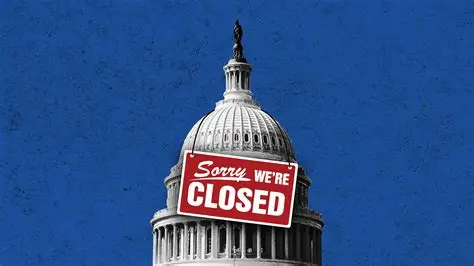
A deepening political standoff within the United States Congress has raised fresh concerns about a potential government shutdown, as lawmakers struggle to agree on a comprehensive federal budget. The deadlock highlights ongoing divisions over spending priorities and fiscal policy in Washington.
At the center of the dispute are disagreements between Democrats and Republicans on funding allocations for key sectors, including defense, healthcare, education, and social welfare programs. Both sides have remained firm in their positions, complicating efforts to reach a compromise.
The administration of Joe Biden has urged lawmakers to act swiftly, warning that failure to pass a budget could disrupt essential government services, delay public sector salaries, and undermine economic confidence.


Financial markets are closely monitoring developments, with investors wary of the potential economic fallout. Economists caution that even a short-term shutdown could have ripple effects, particularly if it affects federal agencies responsible for economic oversight and public services.
Public frustration is growing as the impasse continues. Many Americans view the deadlock as a sign of deep political polarization, raising questions about the effectiveness of governance in addressing national priorities.
Advocacy groups and policy analysts have called for renewed bipartisan dialogue, emphasizing that compromise is essential to maintaining economic stability and public trust.
While there is still hope for a last-minute agreement, time is running out. The coming days will be crucial in determining whether lawmakers can bridge their differences or if the country will face the consequences of a government shutdown.