




Tensions across the Middle East have sharply escalated this week, prompting urgent diplomatic interventions from global powers concerned about the risk of a broader regional conflict. Reports of increased military deployments, airspace restrictions, and heightened alert levels have fueled fears that the situation could spiral beyond localized confrontations.
The United Nations has issued a strong appeal for restraint, calling on all parties to prioritize dialogue over escalation. Behind the scenes, emergency consultations have been held involving key global actors, including the United States, Russia, and China. These discussions aim to establish a framework for de-escalation and prevent further deterioration of the situation.
The geopolitical implications are already being felt beyond the region. Global oil markets have shown signs of volatility, as traders react to potential disruptions in supply routes. Energy analysts warn that prolonged instability could trigger sustained price increases, affecting both developed and emerging economies.


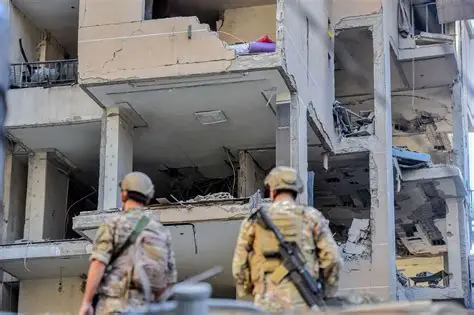
On the humanitarian front, concerns are mounting. Aid organizations are warning of possible mass displacement if hostilities intensify, with vulnerable populations facing shortages of food, water, and medical supplies. Infrastructure damage in affected areas could further complicate relief efforts.
Diplomatic observers note that while communication channels remain open, trust between the involved parties is fragile. Previous attempts at ceasefire agreements have faltered due to deep-seated political and ideological differences.
However, there are still signs of cautious optimism. Mediators are exploring confidence-building measures, including temporary ceasefires and humanitarian corridors, as initial steps toward broader negotiations.
The coming days will be critical. Whether through diplomacy or further escalation, the decisions made now will shape not only the future of the Middle East but also the stability of global political and economic systems.