

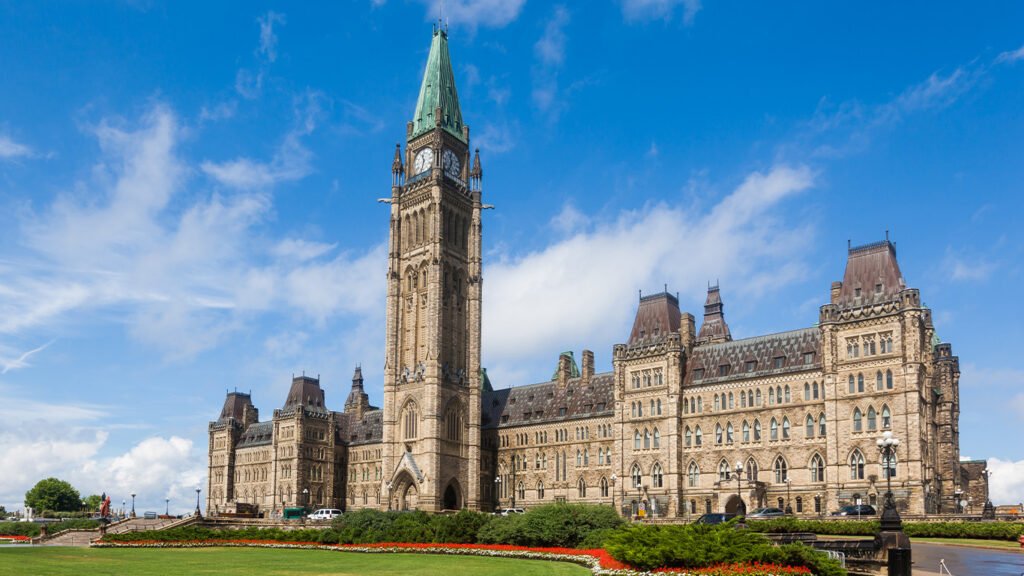
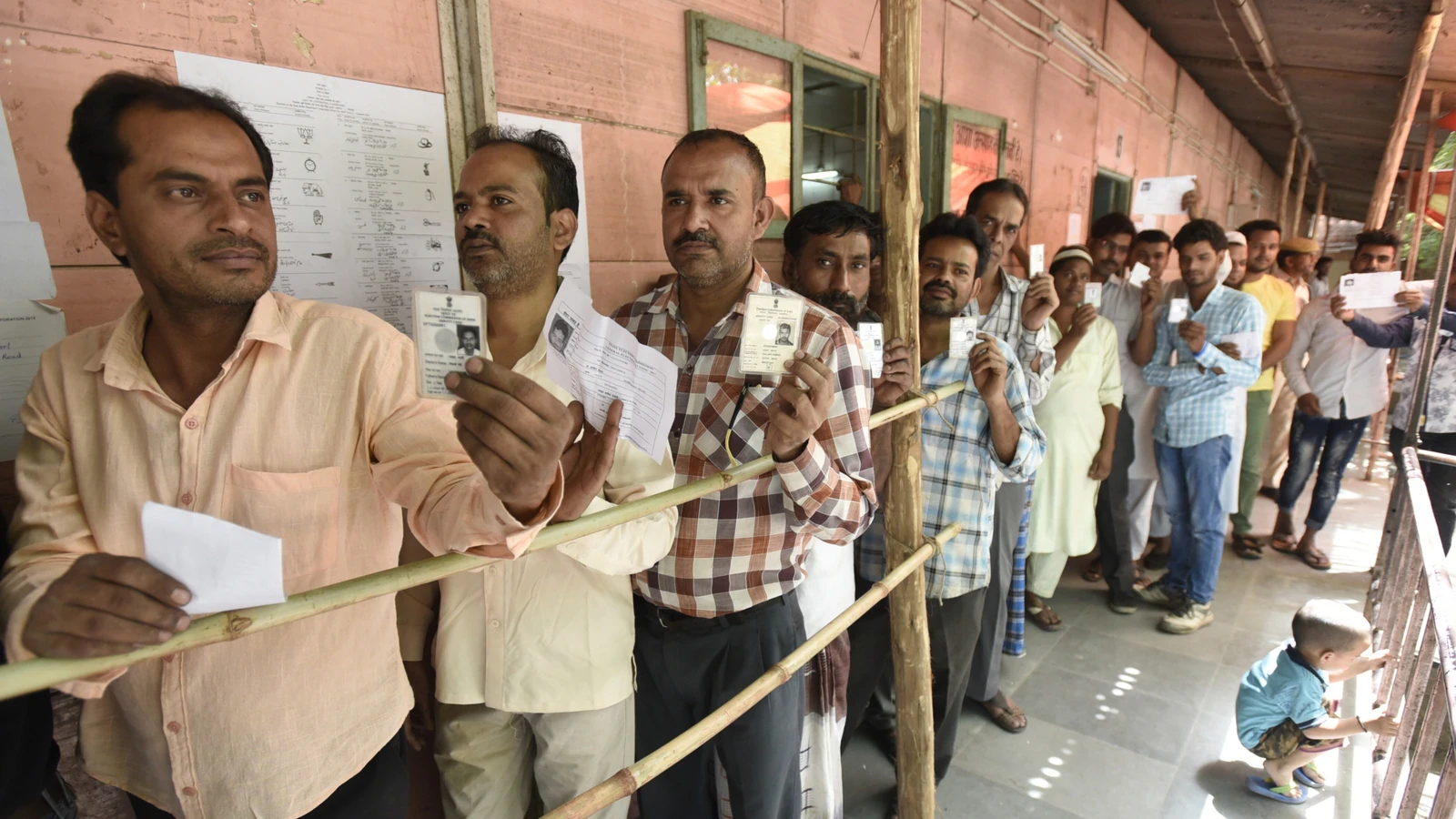


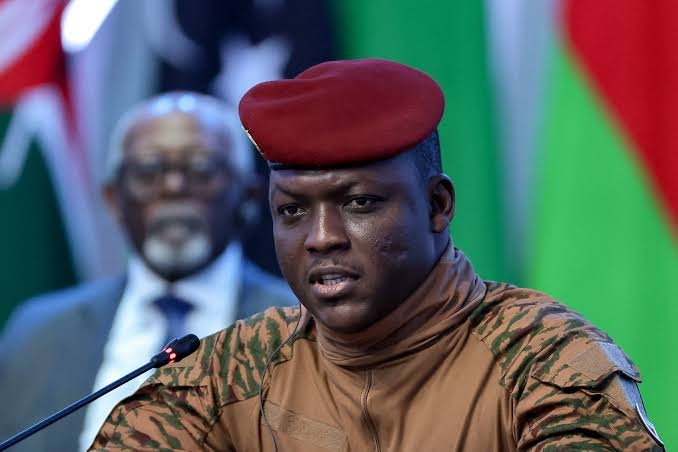

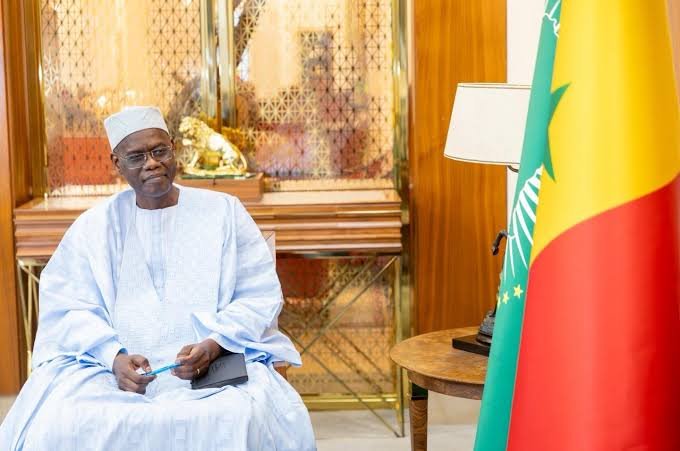

Government leaders across Europe, Asia, and the Americas are intensifying discussions about the broader security implications of the ongoing conflict involving Iran.
Diplomatic meetings held this week have focused on assessing potential risks to global stability, including the possibility that the conflict could expand beyond the Middle East. Analysts warn that escalating tensions could draw in additional regional actors, increasing the likelihood of a wider geopolitical crisis.
Security experts say the conflict raises several concerns, including disruptions to energy markets, increased military activity in strategic waterways, and the possibility of cyber or proxy conflicts in other parts of the world.


Several governments have called for renewed diplomatic efforts aimed at reducing tensions. International organizations and foreign ministers have emphasized the importance of dialogue and negotiation to prevent further escalation.
The discussions also reflect broader concerns about the interconnected nature of modern geopolitical crises. Events in one region can quickly affect global markets, political alliances, and international security arrangements.
Many countries are reviewing contingency plans to protect critical infrastructure and maintain economic stability should the conflict intensify.
While diplomatic channels remain open, analysts say the coming weeks will likely be critical in determining whether the crisis moves toward escalation or de-escalation.