




Ceasefire developments between the United States and Iran have introduced a fragile but significant pause in one of the most dangerous geopolitical escalations of 2026. Hi
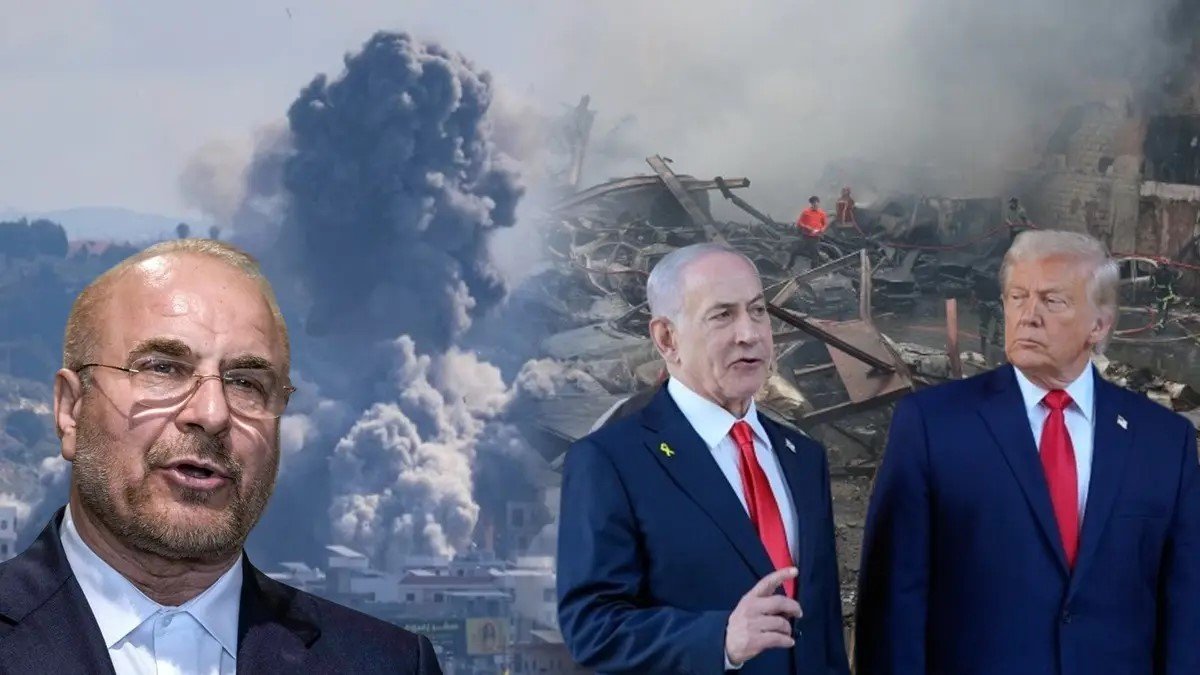
The two-week truce, initiated by Donald Trump, comes after weeks of mounting military tension that had pushed the Middle East, and global markets, to the edge of instability.
The ceasefire was largely driven by Washington, with President Trump announcing a temporary suspension of planned U.S. military strikes against Iranian targets. This move was not unilateral goodwill, but a calculated strategic pause tied to specific conditions.
Chief among them was Iran’s agreement to ensure the full reopening and security of the Strait of Hormuz, a vital global oil transit route that had become a flashpoint during the conflict. By initiating the ceasefire, the United States signaled both a willingness to de-escalate and a demand for immediate economic and security concessions.
Iran Is Ready, but who’s terms?
Iran responded cautiously but constructively. Authorities in Tehran indicated readiness to halt retaliatory and defensive military operations, provided that U.S. and allied attacks cease entirely during the agreed period. However, Iranian leadership made it clear that this ceasefire does not equate to peace. Instead, it is a tactical pause, one that allows room for negotiation while maintaining military readiness in case talks collapse.
Pakistan is at the center of the peace deal
Behind the scenes, the ceasefire was shaped by intense diplomatic engagement involving multiple global and regional actors. Shehbaz Sharif played a notable mediating role, positioning Pakistan as a neutral ground for dialogue by inviting both parties to Islamabad for potential peace negotiations. At the same time, European leadership, including Ursula von der Leyen, publicly backed the truce, framing it as a necessary step to prevent a broader regional war.
The ceasefire’s implications have been immediate and far-reaching. Global oil markets, which had been rattled by fears of prolonged disruption, reacted with relief as tensions eased around the Strait of Hormuz. Shipping lanes began stabilizing, and investor confidence showed early signs of recovery. However, analysts caution that these gains remain highly sensitive to political developments within the two-week window.
The Ceasefire Viewed as a Fragile Route for Peace
Despite the temporary calm, the ceasefire rests on fragile ground. Decades of mistrust between the United States and Iran continue to loom large, compounded by unresolved issues such as sanctions, regional influence, and Iran’s nuclear ambitions. Additionally, the involvement of other regional actors, including Israel and non-state groups, introduces further unpredictability that could undermine the truce at any moment.