

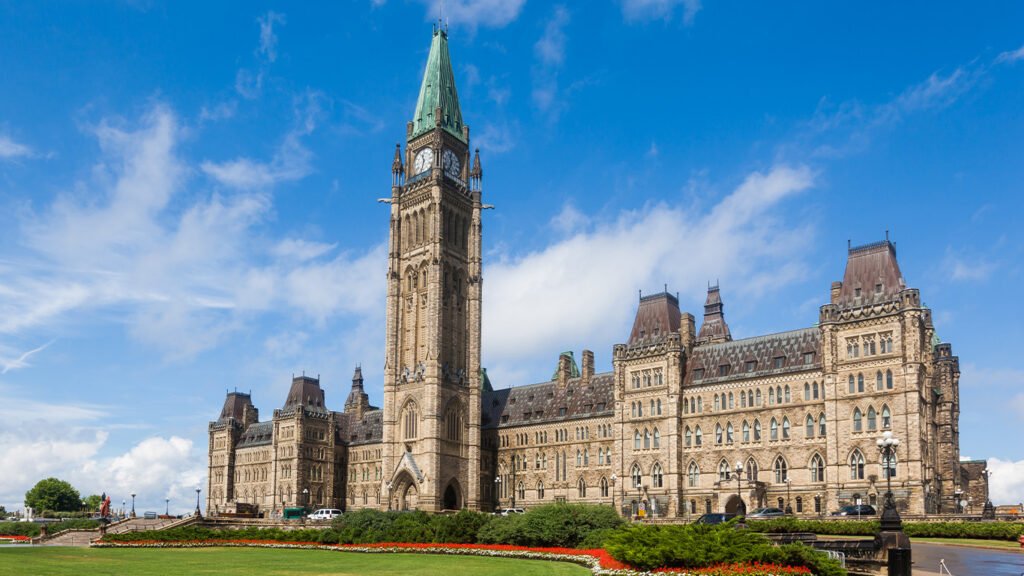



CANADA — Political tensions are intensifying across Canada after a court blocked efforts by separatist groups in Alberta to move forward with a proposed independence referendum, escalating a national debate over federal authority, regional autonomy and the future of Canadian unity.
Prime Minister Mark Carney traveled to Alberta as pressure mounted on his government to address growing frustrations in Western Canada, where many residents and political groups argue that federal policies disproportionately harm the province’s economy.
Also, the court ruling halted the referendum campaign after judges found that organizers failed to adequately consult Indigenous communities during the signature collection process, a constitutional requirement tied to Indigenous treaty rights and land governance in Canada.
The legal setback has become a flashpoint in an already tense political climate. Alberta Premier Danielle Smith condemned the decision and signaled support for an appeal, arguing that many Albertans feel increasingly alienated from Ottawa’s political and economic direction.
However, separatist movement has gained momentum in recent years amid disputes over energy regulation, carbon taxes and environmental policies that critics say have weakened Alberta’s oil and gas sector, a major pillar of the provincial economy.
Alberta remains Canada’s largest oil-producing province and contributes significantly to national revenues through energy exports. However, many local leaders and business groups believe federal climate policies have limited pipeline expansion, slowed investment and reduced competitiveness in global energy markets.
Target Over Regional Economic Realities
The political frustration has also been fueled by perceptions that Ottawa prioritizes environmental targets over regional economic realities, particularly in Western provinces heavily dependent on natural resources.
While support for full separation remains divided, analysts say the rise of separatist sentiment reflects deeper concerns about political representation, economic control and the balance of power within Canada’s federal system.
The issue now presents one of the most serious early political challenges for Carney’s administration, especially as his government attempts to balance climate commitments, national unity and economic growth at a time of increasing global energy competition.
Political observers warn that if tensions continue to escalate, the dispute could reshape federal-provincial relations and influence national political dynamics for years to come.