



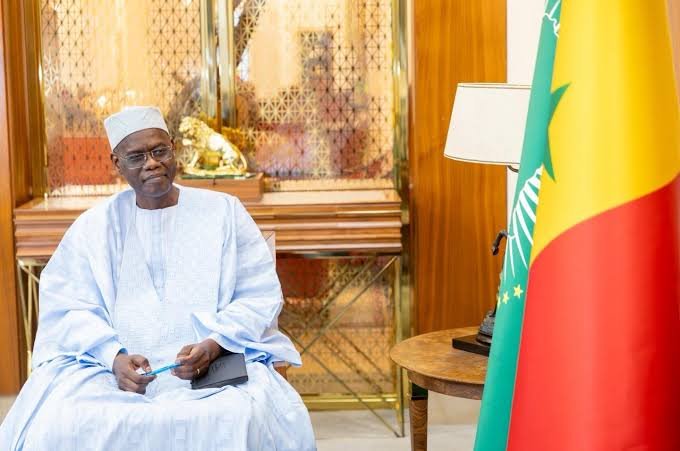

Cameroon — Fresh concerns are emerging over the viability of peace efforts in Cameroon’s conflict-hit English-speaking regions, as Andrew Nkea Fuanya warns that powerful actors on both sides of the divide may actively resist change.r
Speaking in the aftermath of the recent visit by Pope Leo XIV, the archbishop struck a cautionary tone, suggesting that the path from high-level recommendations to real progress on the ground could be undermined by deeply rooted interests.
According to Nkea, elements within both government structures and separatist movements are benefiting from the prolonged instability tied to the Anglophone Crisis, and may have little incentive to support its resolution.
“There are individuals on both sides… who do not want to see the Anglophone Crisis end because they benefit significantly from it,” he stated.
There are Peace Killers in Government
Moreso, remarks point to a complex political economy surrounding the conflict, where war-time networks, informal taxation, and influence structures risk becoming entrenched. Analysts say such dynamics often make conflicts harder to resolve, even when international or religious interventions generate momentum.
Nkea further warned that translating the Pope’s peace message into tangible outcomes will likely face resistance from these vested interests.
“Implementing all the recommendations from the Pope’s visit will face serious challenges, particularly from those whose interests are tied to the continuation of the crisis,” he added.
Also, the intervention by the Catholic cleric underscores a broader concern: that while symbolic gestures and diplomatic engagements can reignite dialogue, the real battleground may lie in dismantling the incentives that sustain the conflict.
With years of violence, displacement, and stalled negotiations behind it, the Anglophone crisis remains one of Cameroon’s most pressing political challenges, and, as Nkea’s comments suggest, one where peace efforts must contend not only with ideology, but with profit and power.