





Morocco and Spain – The battle for the 2030 FIFA World Cup final is already taking shape, years before the first whistle of the tournament is blown. Co-hosts Morocco and Spain are emerging as the leading contenders to stage football’s biggest match, with each nation presenting a compelling case to FIFA.
While the tournament will be jointly hosted by Morocco, Spain, and Portugal, the venue for the final remains undecided. The decision is expected to carry not only sporting significance but also political, economic, and symbolic weight.
Morocco’s Bid: A Historic Opportunity for Africa
Morocco is pushing for the final to be held at the proposed Grand Stade Hassan II near Casablanca, a massive project expected to become one of the largest football stadiums in the world. For Moroccan officials, the bid is about more than infrastructure, it is about cementing Africa’s place at the center of global football.
If selected, the final would mark another historic milestone for the continent and reinforce Morocco’s growing influence in international sport. Following its groundbreaking run to the semi-finals of the 2022 World Cup and its successful role in securing hosting rights for 2030, Morocco sees the final as a fitting recognition of Africa’s contribution to the global game.
The move would also provide a significant economic boost through tourism, investment, and international exposure, strengthening Morocco’s position as a major sporting destination.
Spain Relies on Experience and Football Heritage
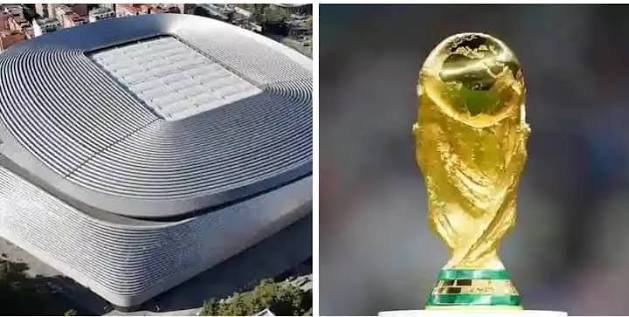
Spain, meanwhile, is backing Madrid’s Santiago Bernabéu Stadium, one of the most iconic football venues in the world. Home to Real Madrid, the stadium combines modern infrastructure with a rich football history, making it a strong contender for the showpiece event.
Spanish authorities argue that the country’s extensive experience in hosting international competitions, coupled with its football legacy, makes Madrid the natural choice for the final. The Bernabéu’s recent redevelopment has further enhanced its reputation as one of the premier sporting venues globally.
Beyond football, hosting the final would strengthen Spain’s standing as a leading destination for major international events and provide a significant economic and diplomatic boost.
As FIFA weighs its options, the choice between Casablanca and Madrid is becoming about more than stadiums. It represents a broader conversation about football’s future, regional representation, and the balance between tradition and emerging influence. Whether the final lands in Europe or Africa, the decision will send a powerful message about the direction of the world’s most popular sport.