





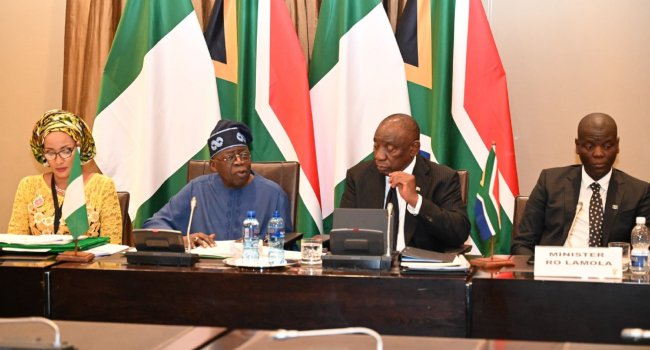
Abuja, Nigeria – The Nigerian government is considering a range of measures against South African businesses operating within its borders following renewed concerns over the treatment of Nigerians living and working in South Africa.
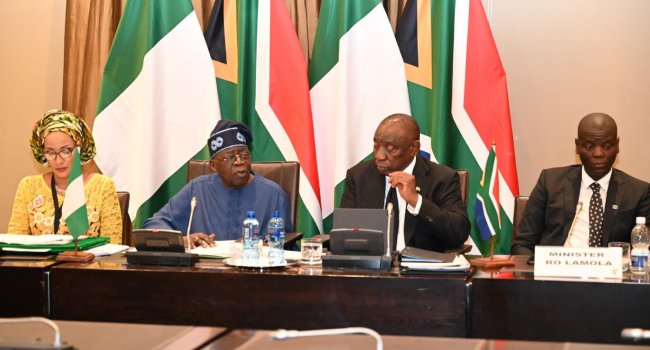
Government officials have indicated that diplomatic engagements between both countries are ongoing, but warned that stronger actions could be pursued if discussions fail to produce satisfactory outcomes.
According to senior government sources, any retaliatory steps would be undertaken within the framework of country’s constitutional and legislative processes, with the National Assembly expected to play a key role in determining the country’s response.
The development comes amid reports of harassment, discrimination, and attacks targeting Nigerians in South Africa, incidents that have repeatedly strained relations between Africa’s two largest economies over the years.
Calls for Reciprocity in Business and Citizen Treatment
Officials argue that South African companies continue to enjoy broad access to the nation’s market, operating without restrictions that Nigerians reportedly face in South Africa. More than 120 South African-owned firms are currently active across sectors including telecommunications, broadcasting, retail, banking, and manufacturing in Nigeria.
Among the most prominent South African investments in in the West African nation are telecommunications giant MTN and pay-TV provider MultiChoice, both of which have established significant footprints in the country’s economy. The country’s authorities maintain that businesses from South Africa have been able to operate freely, raising questions about the principle of reciprocity in bilateral relations.
Government representatives say the disparity in business conditions and treatment of citizens has become an increasing concern for policymakers.
While no formal sanctions or restrictions have been announced, analysts say the situation could test the longstanding economic partnership between the two nations if tensions continue to escalate.
Observers are closely watching ongoing diplomatic efforts, which many believe will determine whether the dispute can be resolved through dialogue or whether Nigeria will move toward legislative and economic measures targeting South African interests.
The latest developments underscore the delicate balance between protecting national interests and preserving one of Africa’s most significant trade and investment relationships.