




US – Iran -The United States and Iran are reportedly moving toward finalizing a peace agreement expected to be signed in Switzerland later this week, marking a potential turning point after months of escalating tensions.
If confirmed, the deal would prioritise a ceasefire framework, restoration of maritime security, and the reopening of the Strait of Hormuz — one of the world’s most critical energy transit routes.The economic implications are immediate. Disruptions in the Strait of Hormuz had previously triggered volatility in global oil markets, raising fears of supply shortages and inflationary pressure across energy-importing economies.
With the prospect of stability returning to the Gulf, markets have already begun adjusting expectations, reflected in falling oil prices and improved investor sentiment. For Washington, the agreement offers a strategic off-ramp from a costly confrontation while reinforcing its role in safeguarding global trade routes.
For Tehran, it presents a chance to reduce economic pressure and re-engage diplomatically, potentially opening space for future discussions on sanctions relief and regional integration.
A Fragile Diplomatic Opening, Not a Final Settlement
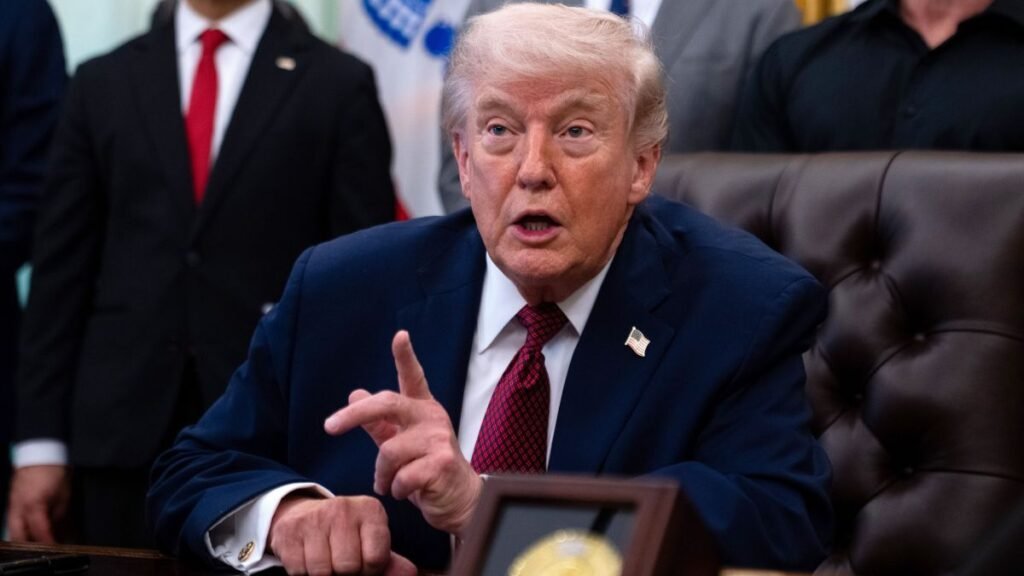
Despite the optimism, the agreement remains incomplete in key areas, particularly Iran’s nuclear programme. The current framework appears focused on de-escalation and containment rather than resolving long-standing structural disputes. Issues such as uranium enrichment limits, international inspections, and compliance mechanisms are expected to be addressed in follow-up negotiations.
This makes the deal less of a final peace settlement and more of a managed pause in hostilities. While it could significantly reduce the risk of immediate conflict, its durability will depend on sustained political commitment from both sides and the ability to withstand pressure from domestic and regional actors.
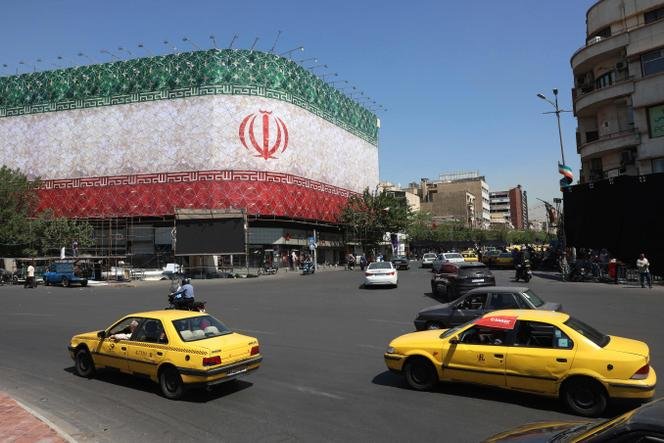
The broader geopolitical implications are significant. A reduction in both country’s tensions could ease pressure across the Middle East, stabilize energy flows, and reduce the likelihood of wider proxy escalations involving allied regional powers. However, historical precedent suggests that the agreements often face fragility when tested by shifting political dynamics.
Ultimately, the proposed deal represents a high-stakes diplomatic opening. Whether it becomes a lasting framework for stability or another short-lived pause in confrontation will depend on how both nations navigate the next phase of negotiations.