




Nigeria – The 2027 presidential candidate of the Nigeria Democratic Congress (NDC), Peter Obi, has reignited debate over Nigeria’s approach to separatist agitation after declaring that he would release Nnamdi Kanu and engage agitators in dialogue if elected president.
Speaking during a recent visit to Washington, D.C., Obi maintained that there was no justification for Kanu’s continued detention, arguing that democratic societies should tolerate dissenting voices and prioritize engagement over incarceration.
“I have said this over and over again, there is no reason for detaining Mazi Nnamdi Kanu. You cannot arrest somebody just because the person is speaking on radio. I am a politician, people have been calling me names. If I am in government today, I will discuss and engage with all agitators. I will free Nnamdi Kanu as president,” Obi stated.
Obi Signals a Dialogue-First Approach to National Unity
Obi’s remarks reflect a governance philosophy that places dialogue, negotiation, and political inclusion at the center of conflict resolution. By advocating engagement with separatist agitators, he appears to be positioning himself as a leader who believes national unity can be strengthened through conversation rather than confrontation.The statement is also consistent with his previous calls for addressing the root causes of insecurity, political discontent, and regional grievances across the country.
For supporters, the position reinforces his image as a politician willing to pursue reconciliation in addressing complex national challenges.
Kanu’s Detention Emerges as a Potential 2027 Election Flashpoint
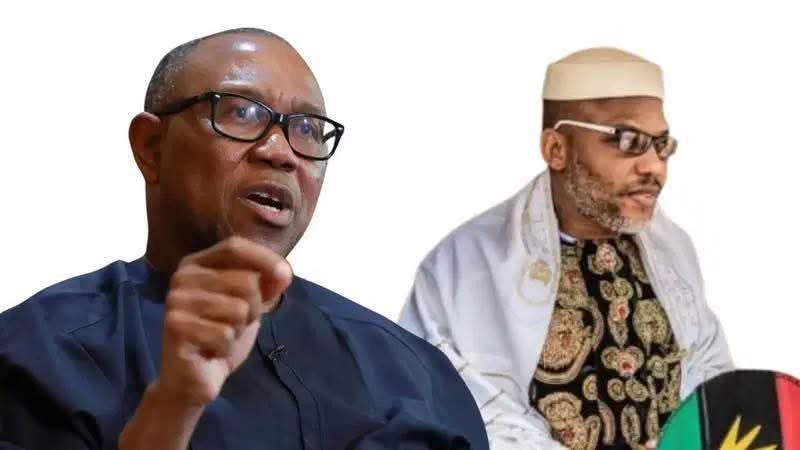
The pledge is expected to resonate strongly in Nigeria’s South-East, where many see Kanu’s detention as a symbol of broader concerns about political representation and regional equity. At the same time, it is likely to generate criticism from those who argue that issues relating to separatist movements and national security should be handled strictly through legal and judicial channels.
As political activities ahead of the 2027 elections begin to gather momentum, Obi’s comments have once again placed the Kanu issue at the center of national discourse. The debate now extends beyond one individual’s detention and touches on larger questions about justice, security, national cohesion, and the methods future leaders should adopt in managing political dissent.
Whether viewed as a bold reconciliation strategy or a controversial political promise, Obi’s position has added another significant dimension to the evolving conversation surrounding Nigeria’s next presidential election.