









OTTAWA — Canada and the United States have resumed high-level trade discussions as both countries work to bridge differences ahead of a crucial July deadline linked to the review of the Canada-United States-Mexico Agreement (USMCA).
Officials from both sides are reportedly exchanging fresh proposals in an effort to reinvigorate negotiations that have stalled over several contentious issues, including tariffs, market access, and sector-specific trade protections. The renewed engagement comes at a time of growing economic uncertainty and increasing pressure from businesses that rely heavily on cross-border commerce.
Canada and United States Trade Exchange
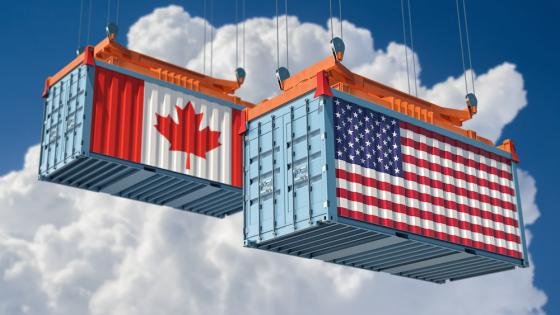
The USMCA, which replaced NAFTA in 2020, governs one of the world’s largest trading relationships. Canada and the United States exchange hundreds of billions of dollars in goods and services annually, making the stability of the agreement critical for industries ranging from automotive manufacturing and agriculture to energy and technology.
Despite the importance of the partnership, several long-standing disputes continue to challenge negotiations. Canadian officials remain concerned about American tariff policies and protectionist measures that could impact key export sectors. Meanwhile, U.S. negotiators are pushing for greater market access in areas where they believe trade barriers remain.
The July review deadline is not expected to result in a full renegotiation of the agreement, but it serves as an important checkpoint for member countries to assess the effectiveness of the trade pact and identify areas requiring reform. The outcome could shape North American trade policy for years to come.
For Canada, the talks represent more than just economics. They are also a test of Ottawa’s ability to protect domestic industries while maintaining strong relations with its largest trading partner. With global supply chains facing continued disruption and geopolitical tensions influencing international markets, policymakers are eager to avoid further uncertainty.
Business groups on both sides of the border have welcomed the resumption of discussions, arguing that predictable trade rules are essential for investment, job creation, and long-term economic growth.
As negotiators work toward common ground, the coming weeks are expected to reveal whether the two countries can resolve their differences or whether trade tensions will once again dominate the Canada-U.S. economic relationship.
Political Analysis
The renewed talks underscore a broader challenge facing governments across North America: balancing economic nationalism with the realities of deeply integrated supply chains.
While political leaders often face domestic pressure to protect local industries, businesses increasingly depend on open and predictable trade frameworks.
For Prime Minister Mark Carney’s government, securing favorable outcomes in the review process could become an important economic and political victory. For Washington, the negotiations offer an opportunity to advance domestic priorities while preserving a strategic trade partnership that remains central to North America’s competitiveness.
The stakes are high. Any significant deterioration in trade relations could have ripple effects across industries, employment markets, and consumer prices on both sides of the border.