




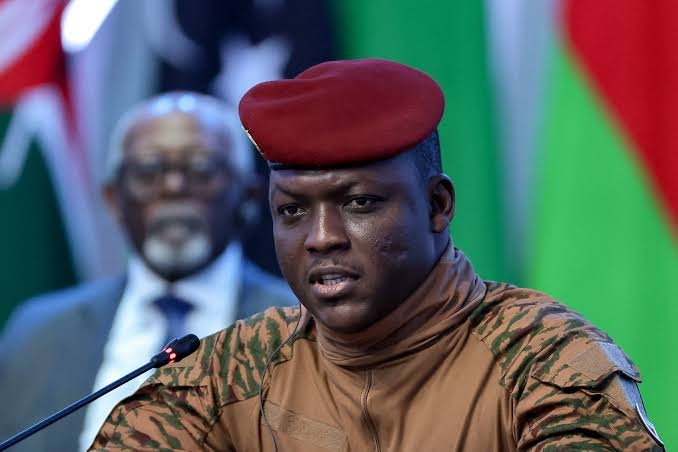

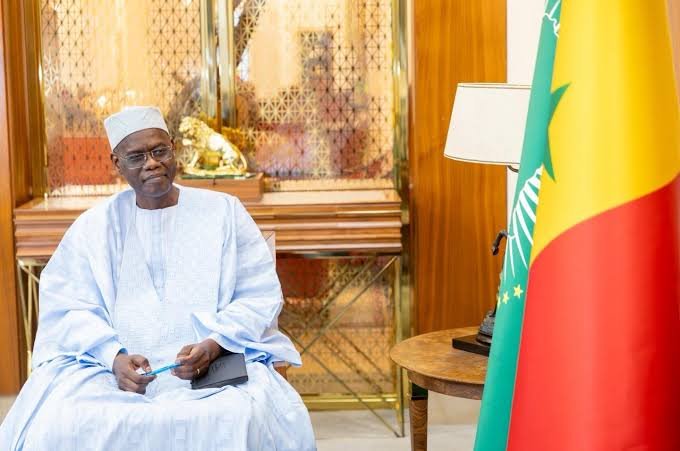

Sahel States – The Alliance of Sahel States (AES), made up of Burkina Faso, Niger, and Mali, has intensified efforts to combat terrorism and armed insurgent groups by expanding its joint military capabilities across the Sahel region.
The three military-led governments have formally strengthened their regional defence cooperation through the creation of the Force Unifiée de l’Alliance des États du Sahel (FU-AES), a joint military force designed to coordinate counterterrorism operations, intelligence sharing, and border security missions across the region.
The FU-AES force reportedly includes thousands of troops operating under a unified command structure, supported by shared intelligence systems, surveillance drones, combat aircraft, and coordinated ground operations.
The alliance says the initiative is aimed at improving regional security and reducing the growing threat posed by extremist and armed groups operating across the Sahel.
Security challenges in the Sahel have continued to worsen in recent years, with militant attacks linked to jihadist organisations spreading across parts of Mali, Burkina Faso, and Niger. The region has experienced rising instability, military coups, and increasing civilian displacement due to ongoing violence.
AES Deepens Military Cooperation After Split With ECOWAS and Western Allies
As part of their military expansion strategy, the AES countries have also increased defence cooperation with countries including Russia, Turkey, and China. The three governments have acquired new military hardware, drones, armoured vehicles, and air defence equipment following a gradual reduction in military partnerships with some Western nations.
The alliance’s security shift comes after tensions with the Economic Community of West African States, known as ECOWAS, and several Western governments following the military takeovers in the three countries. Burkina Faso, Mali, and Niger officially announced their withdrawal from ECOWAS earlier as they pursued a more independent regional security and political agenda.
AES leaders argue that stronger military coordination and sovereign defence policies are necessary to restore stability and reclaim territories affected by insurgent violence. Supporters of the alliance view the joint force as an attempt to build a self-reliant regional security framework outside traditional Western influence.
However, analysts warn that the long-term success of the FU-AES initiative will depend on sustained coordination, economic stability, and the ability of the member states to address humanitarian concerns alongside military operations.
The Sahel remains one of Africa’s most volatile security regions, with governments under pressure to contain extremist violence while managing economic and political transitions.