





The African Union is intensifying efforts to strengthen Africa’s collective influence within the G20 as member states convene strategic consultations focused on debt reform, infrastructure financing, industrialization, and trade competitiveness.
The discussions reflect a growing recognition among African policymakers that the continent must speak with a more unified voice as global economic power structures continue to evolve.
Since gaining permanent membership in the G20, the African Union has been under increasing pressure to transform symbolic representation into measurable policy influence. Officials involved in the latest consultations say the focus is now shifting toward practical coordination around economic priorities that directly affect African economies.
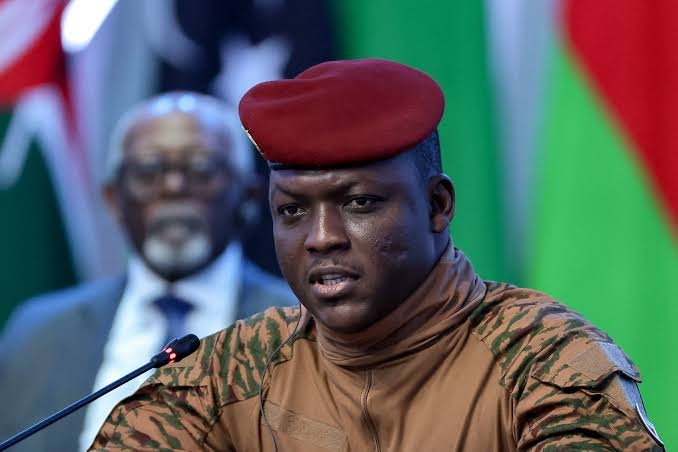
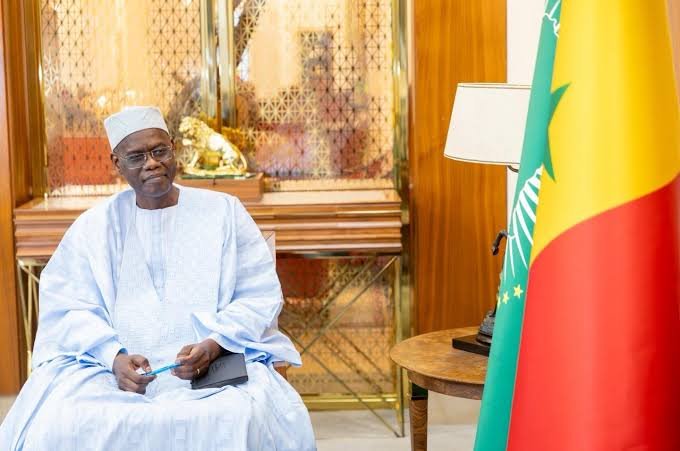
Repayment Pressures Among African Head Of States
Debt sustainability remains one of the continent’s most urgent concerns as several African countries continue facing rising repayment pressures, currency instability, and constrained fiscal space. AU policymakers are also pushing for reforms to global financial systems that many African leaders argue disproportionately disadvantage developing economies.
Beyond debt issues, the consultations are emphasizing industrial growth, regional trade integration under the African Continental Free Trade Area, and increased investment in infrastructure capable of supporting long-term economic transformation.
Political analysts say the AU’s growing G20 engagement represents a broader shift in Africa’s diplomatic strategy, moving from reactive participation toward proactive agenda-setting within global governance institutions.
The outcome of these discussions could significantly shape how Africa positions itself in future negotiations on climate financing, development funding, and international trade reforms.