




Mali is entering a dangerous new phase of instability following coordinated attacks by jihadist and separatist groups that have struck at the heart of state authority. The scale, coordination, and targets of the attacks signal not just a security lapse, but a deeper erosion of control by the ruling military junta.
Reports indicate that key administrative and symbolic state structures were targeted, underscoring how armed groups are increasingly capable of projecting force beyond rural strongholds into politically sensitive zones.
Also, this marks a shift from asymmetric rural insurgency to more strategic, high-impact operations aimed at undermining regime legitimacy.Since seizing power in 2020 and consolidating control through subsequent transitions, Mali’s military leadership has justified its rule on the promise of restoring security.
A Sahel Region of Uncertainty
However, despite intensified operations and new security partnerships, particularly the pivot away from Western allies toward alternative actors, the security landscape has continued to deteriorate.
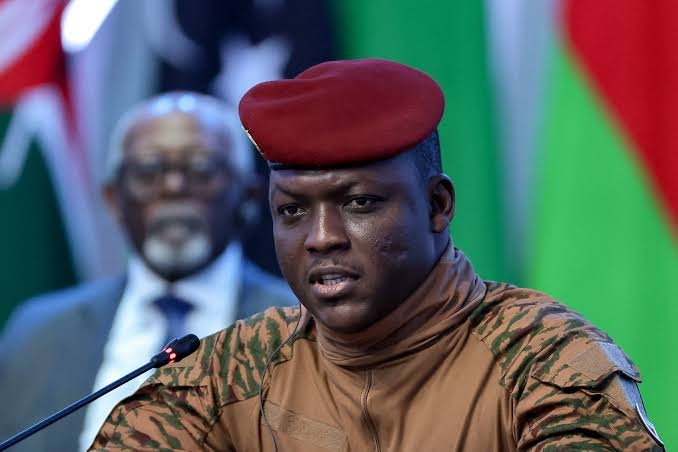
The situation in Mali mirrors a broader regional pattern. In Burkina Faso and Niger, military governments have similarly struggled to contain insurgencies despite adopting hardline approaches. Large swathes of territory across these countries remain contested, with armed groups exploiting governance vacuums, weak infrastructure, and local grievances.
Furthermore, the implications go beyond immediate security concerns. The inability of military regimes to deliver stability raises fundamental questions about their long-term legitimacy and the viability of prolonged military governance as a solution to complex political crises. As attacks intensify, Mali risks not only further instability but also potential fragmentation, with ripple effects across West Africa and the wider Sahel.
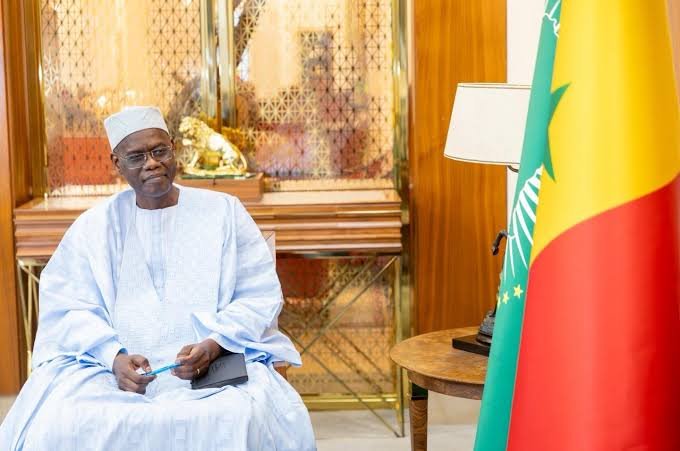
A recent attack has claimed the life of Mali’s high ranking military of official, Defense Minister Sadio Camara. Who was killed by jihadist extremist at his residence.