



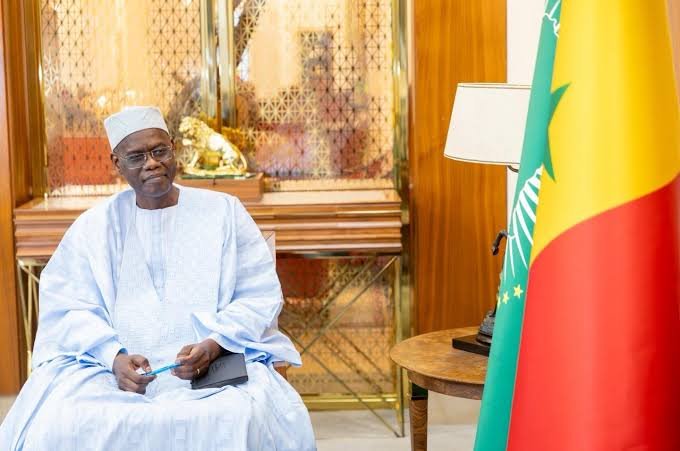

Benin: The political landscape in Benin has taken a decisive turn following the election of Romuald Wadagni as the country’s new president. His landslide victory marks a significant moment in Benin’s democratic journey, signaling both continuity and potential transformation in one of West Africa’s most closely watched political environments.
A Resounding Mandate from the People
Romuald Wadagni’s overwhelming win reflects strong voter confidence in his leadership and vision for the country. Known for his technocratic background and prior role as Minister of Economy and Finance, Wadagni built a reputation centered on fiscal discipline, economic reform, and modernization.
This decisive electoral outcome gives him not just legitimacy, but also the political capital needed to implement ambitious reforms without immediate resistance.
From Finance to the Presidency
Before ascending to the presidency, Wadagni played a key role in shaping Benin’s economic policies. His tenure in government was marked by:
- Efforts to improve public financial management
- Initiatives to attract foreign investment
- Structural reforms aimed at strengthening economic resilience
His transition from finance minister to president suggests a governance style likely to prioritize economic performance, efficiency, and institutional reform.
What This Means for Benin
Wadagni’s presidency is expected to focus on several critical areas:
- Economic Growth: Accelerating development through infrastructure, trade, and investment
- Governance Reforms: Strengthening institutions and improving transparency
- Youth Employment: Addressing one of the country’s most pressing socio-economic challenges
- Regional Influence: Positioning Benin as a stable and strategic player in West Africa
His leadership comes at a time when many African nations are rethinking economic models and governance structures to adapt to global shifts.
Regional and Continental Implications
Benin has long been considered a relatively stable democracy in West Africa. A strong and reform-driven presidency under Wadagni could:
- Reinforce democratic norms in the region
- Attract increased investor confidence
- Serve as a model for technocratic leadership in African politics
However, expectations will be high. Delivering inclusive growth while maintaining political stability will be essential to sustaining public trust.