




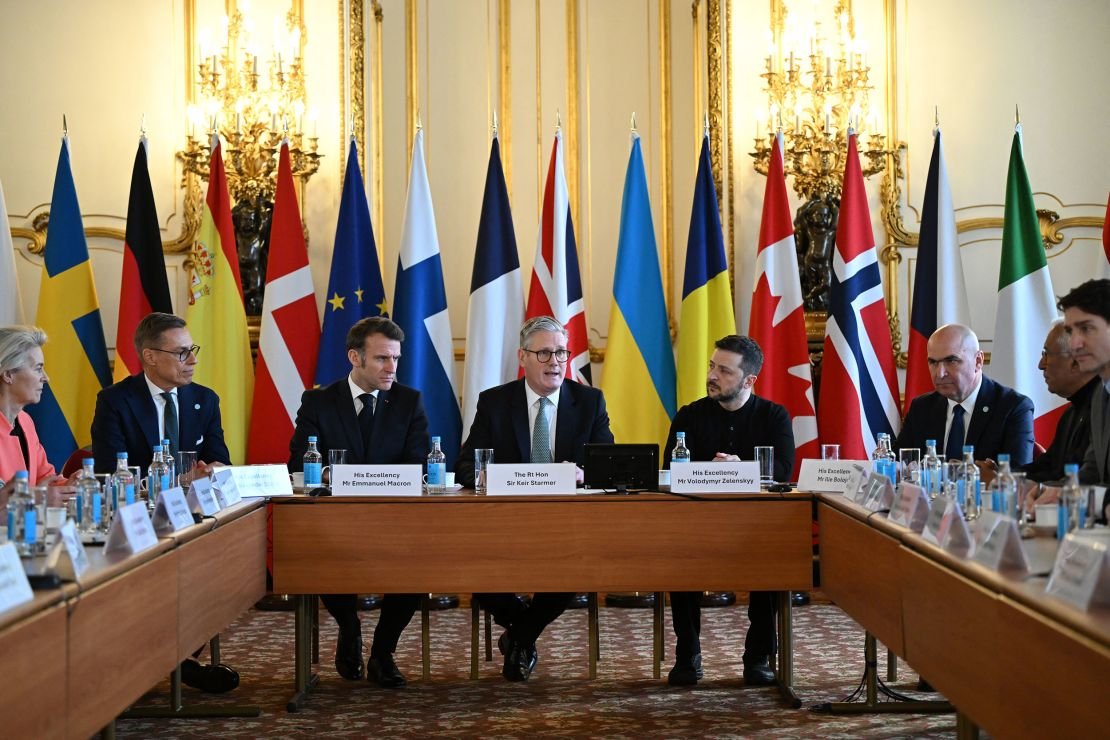

Ukraine’s bid for accelerated European Union membership has sparked intense debate among European capitals, exposing fractures within the bloc over expansion, security, and reform readiness. Kyiv has argued that fast-tracking accession would strengthen political alignment, enhance security cooperation, and provide economic opportunities. Proponents cite Ukraine’s progress in democratization, economic reforms, and military resilience as justification for expedited integration.
However, several EU member states, including France, Germany, and the Netherlands, have voiced caution. Concerns focus on Ukraine’s adherence to EU standards in governance, judicial independence, and anti-corruption measures. Analysts suggest that while the EU recognizes Ukraine’s strategic importance, the bloc must balance geopolitical considerations with institutional capacity and cohesion. A rushed accession could strain EU mechanisms and create friction among member states.


The debate has intensified public discussion in both Brussels and Kyiv. Ukrainian leaders are engaging in high-level diplomacy, advocating for phased integration while demonstrating reform commitments. EU institutions are reviewing technical compliance, with assessments covering economic regulations, rule of law, and border security. Political scientists note that the outcome could set a precedent for future EU enlargement, affecting countries in the Western Balkans and Eastern Europe.
Proponents argue that rapid accession would reinforce Ukraine’s sovereignty and act as a deterrent against external aggression, particularly given the country’s ongoing security challenges. Critics counter that membership must be earned through demonstrable compliance with EU norms to prevent internal fragmentation and political tension. The situation underscores broader debates about how the EU balances strategic interests with institutional rigor and the principle of equality among member states.
As negotiations continue, analysts expect phased solutions, including conditional agreements, economic integration measures, and monitoring mechanisms to ensure compliance. The process will likely shape the EU’s enlargement strategy for decades, while influencing Ukraine’s domestic reforms and regional stability. Citizens across Europe and Ukraine are watching closely, aware that the stakes extend beyond policy and governance to the very future of the European project itself.