
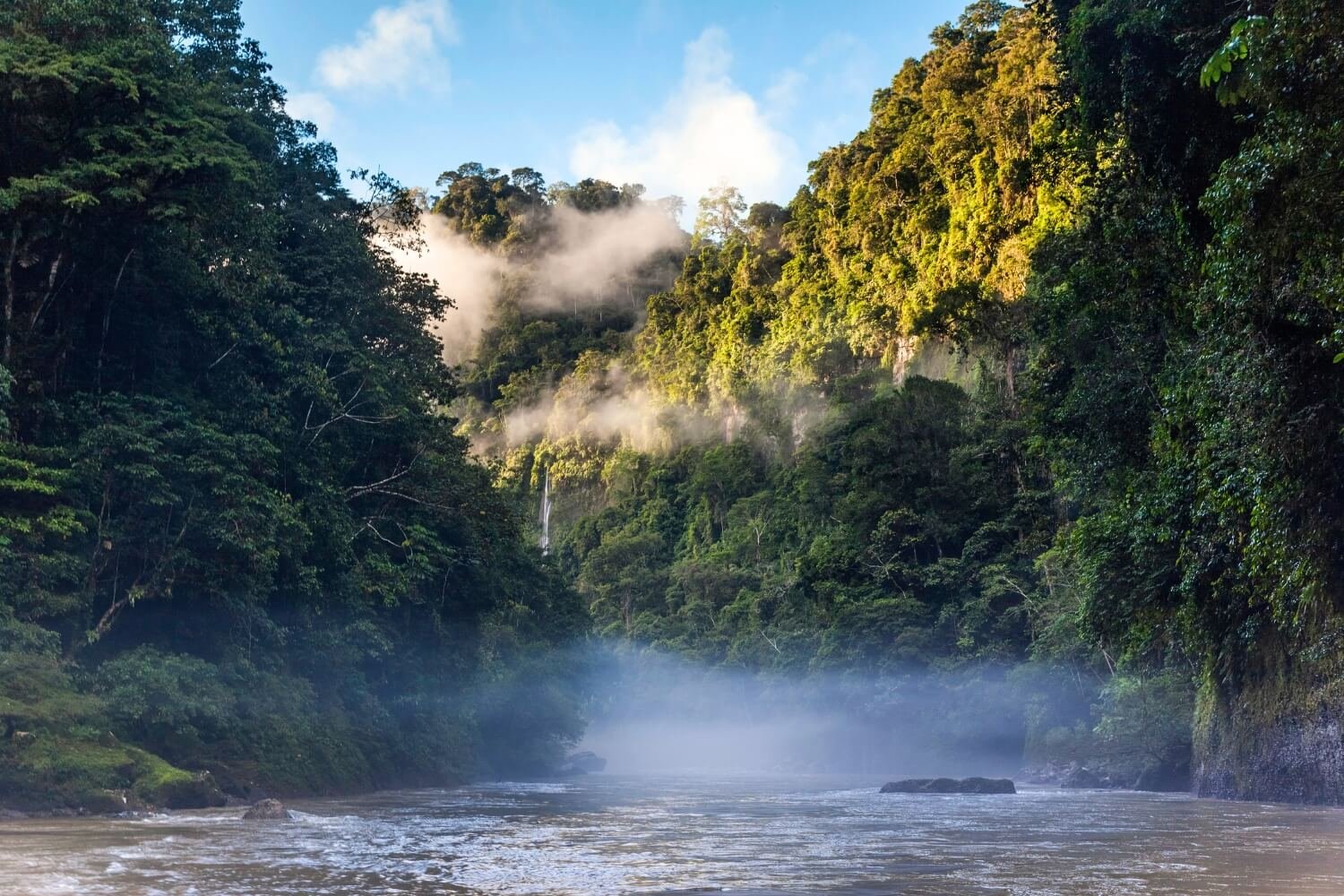



Brazil’s government is confronting rising international pressure to implement stronger protections for the Amazon rainforest, one of the world’s most critical ecosystems. Environmental organizations, indigenous communities, and foreign governments have highlighted increasing deforestation rates and called for urgent measures to preserve biodiversity and mitigate climate change.
The Amazon plays a central role in regulating global climate patterns, absorbing carbon dioxide and supporting countless plant and animal species. However, illegal logging, mining, and agricultural expansion have led to significant environmental degradation. Reports indicate that unless protective measures are strengthened, the rainforest could face irreversible damage, with profound consequences both for Brazil and the planet.


The Brazilian government is considering legislative reforms that would increase monitoring capabilities, enhance penalties for environmental violations, and expand protected areas. Supporters argue that these measures are essential to safeguard global climate stability and ensure sustainable use of natural resources. Conservation efforts could also unlock new economic opportunities, including eco-tourism, research, and sustainable forestry projects.
However, balancing environmental priorities with economic development remains a challenge. Brazil’s agriculture and mining sectors are significant contributors to GDP and employment. Some policymakers argue that strict regulations could slow economic growth, particularly in rural regions that depend on resource extraction for livelihoods.
This tension has sparked a national debate about how to reconcile environmental stewardship with economic needs. Indigenous groups, environmental activists, and scientists have been vocal in urging the government to adopt policies that prioritize conservation, transparency, and long-term sustainability.

Internationally, Brazil’s approach to the Amazon is closely watched. The world perceives the rainforest as a shared global asset, meaning that Brazil’s policies have far-reaching implications for climate agreements, biodiversity preservation, and global ecological health. Countries and organizations offering financial or technical support are seeking accountability measures to ensure their contributions have tangible results.
Analysts note that Brazil’s ability to balance economic and environmental interests will define its political standing domestically and globally. Effective governance and enforcement are crucial to prevent illegal exploitation while supporting sustainable development.
The ongoing debate underscores the complex interplay between national priorities, economic pressures, and environmental responsibilities. Brazil’s decisions regarding the Amazon are likely to influence international climate discussions, regional development strategies, and the nation’s reputation as a global environmental steward.