








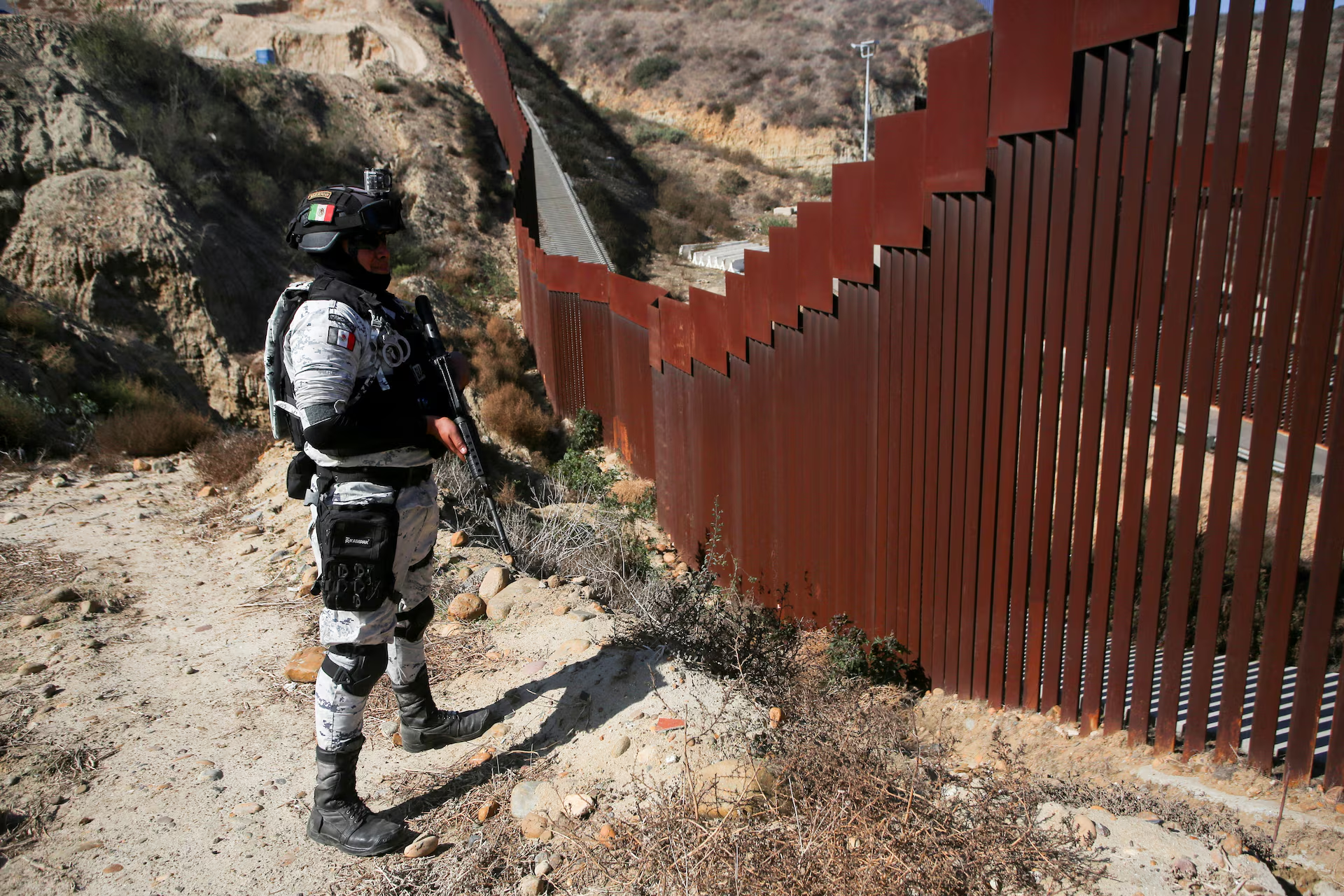
Mexico has introduced new border security measures designed to manage migration more effectively while safeguarding national interests and maintaining humanitarian obligations. The policies focus on enhancing monitoring capabilities, expanding patrols, and strengthening international cooperation with neighboring countries to regulate cross-border movement.
The government emphasizes that the reforms aim to balance national security with humanitarian responsibilities. Increased surveillance technologies, such as drones, sensors, and biometric verification systems, are being deployed to improve border control and identify irregular crossings.
At the same time, authorities are working to ensure that migrants receive appropriate humanitarian support, reflecting Mexico’s commitment to human rights obligations.
Bilateral cooperation is central to the strategy. Mexico is collaborating closely with the United States, Central American nations, and international organizations to implement coordinated approaches to migration management.


These partnerships aim to reduce illegal crossings, combat trafficking networks, and facilitate legal pathways for migration. Analysts highlight that multilateral coordination is crucial for effective border management in a region with complex migration patterns.
The reforms are also influenced by domestic considerations. Border security remains a politically sensitive issue, and public opinion often emphasizes the importance of maintaining safety while protecting vulnerable populations. Lawmakers are engaged in debates to ensure that enforcement measures are transparent, proportionate, and consistent with national and international law.
Economic factors play a role as well. Migration impacts labor markets, social services, and regional development. By implementing more structured border policies, Mexico seeks to optimize the contributions of migrant labor while minimizing strain on public resources.
Critics of the reforms argue that increased enforcement could create humanitarian challenges if not accompanied by adequate social support systems. Advocacy groups stress the importance of maintaining access to health care, education, and legal assistance for migrants. Effective implementation will require continuous monitoring, policy adjustments, and collaboration between federal agencies and civil society.
Internationally, Mexico’s approach is closely watched as part of broader regional strategies to manage migration flows. Observers note that successful policy could serve as a model for balancing security, economic, and humanitarian considerations in migration management.
By strengthening border security while prioritizing human rights, Mexico aims to create a sustainable migration framework that supports national stability and regional cooperation. How these reforms are implemented will have long-term implications for social cohesion, economic growth, and Mexico’s international reputation.