






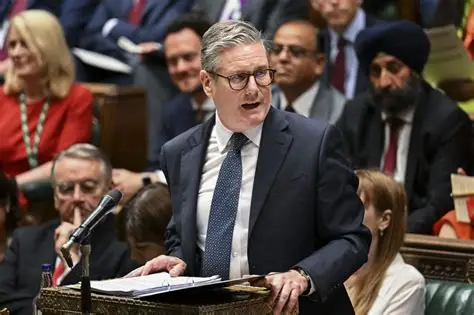
The government of the United Kingdom is facing increasing political pressure following the announcement of controversial tax reforms that have sparked widespread debate across the country.
The proposed measures aim to stimulate economic growth by adjusting corporate and individual tax rates, with officials arguing that the changes will attract investment and boost productivity.
However, critics contend that the reforms disproportionately benefit higher-income earners while placing additional strain on middle- and lower-income households.


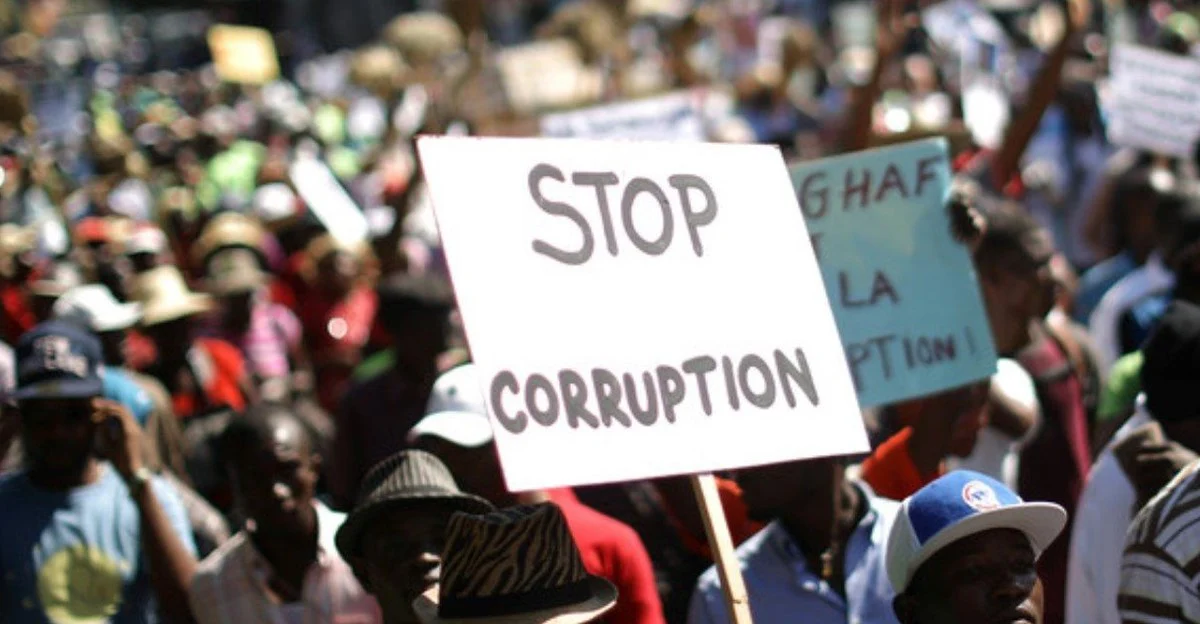
Opposition parties have strongly challenged the policy, accusing the government of deepening inequality at a time when many citizens are already grappling with rising living costs. Public protests have emerged in major cities, reflecting growing frustration among voters.
Economists remain divided on the potential impact of the reforms. Some argue that lower taxes could encourage business expansion and job creation, while others warn that reduced public revenue may limit the government’s ability to fund essential services.
The debate has also reignited broader discussions about economic fairness and the role of government in addressing inequality. Advocacy groups are calling for more progressive taxation policies that prioritize social welfare and public investment.
As political tensions rise, the government faces the challenge of balancing economic growth objectives with public expectations for fairness and accountability. The outcome of this policy debate could have lasting implications for the UK’s political and economic landscape.