




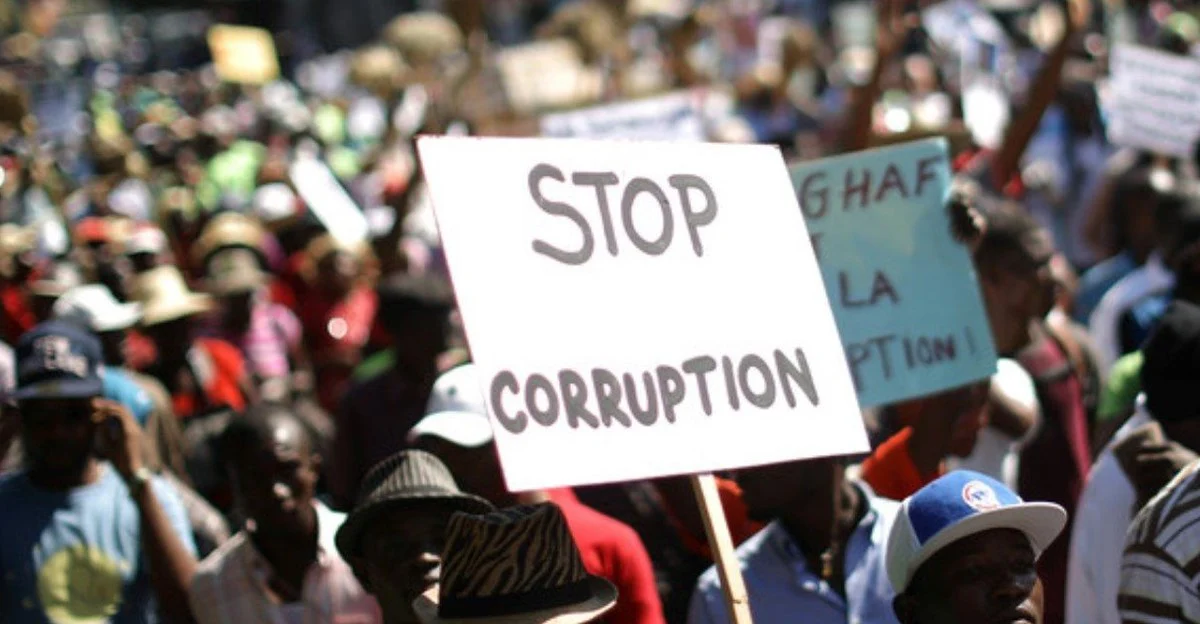


South Africa has launched an ambitious anti-corruption initiative aimed at strengthening public institutions, enhancing transparency, and restoring citizen confidence in governance. The program targets systemic corruption, focusing on procurement processes, enforcement mechanisms, and oversight of public funds.
Central to the initiative is the expansion of investigative powers for anti-corruption agencies, ensuring they can pursue allegations against public officials and private actors engaged in corrupt practices. Reforms also include enhanced auditing of government projects, stricter disclosure requirements, and the establishment of independent monitoring bodies to ensure compliance with anti-corruption standards.
Civil society groups have broadly welcomed the initiative but stress that its effectiveness hinges on judicial independence and impartial enforcement. Past attempts to tackle corruption in South Africa have often been criticized for political interference, limiting their impact. Analysts argue that strong institutional autonomy is essential for meaningful reform.
The program also addresses public engagement and transparency. Citizens are encouraged to report irregularities, and the government plans to implement digital platforms for tracking public expenditure. These measures aim to increase accountability while fostering trust between citizens and state institutions.


Economic implications are significant. Corruption has long been identified as a barrier to investment and economic development in South Africa. By reducing misuse of public funds and improving governance, the initiative could strengthen the business climate, attract foreign investment, and enhance social service delivery.
Political analysts note that the campaign has strategic implications for the ruling party, which has faced criticism for past corruption scandals. Demonstrating a credible commitment to reform could improve public confidence and support for the government ahead of future elections.
International observers are also monitoring the initiative, emphasizing that anti-corruption measures contribute to South Africa’s reputation as a stable, well-governed nation. Strong reforms could reinforce the country’s role as a regional leader in governance, economic management, and institutional integrity.
Experts caution, however, that the success of the initiative will depend on consistent implementation, enforcement across all levels of government, and sustained political will. Without these factors, efforts risk being symbolic rather than transformative.
South Africa’s anti-corruption campaign represents a critical step toward strengthening democracy, enhancing governance, and ensuring that public resources are used effectively. How the government manages implementation and oversight will have long-lasting implications for the country’s political and economic future.