








Somalia is advancing federal governance reforms aimed at improving coordination between national and regional authorities, enhancing public service delivery, and reinforcing institutional stability. The reforms seek to address historical challenges in governance, security, and political cohesion that have affected the country for decades.
Central to the reforms is a reorganization of administrative responsibilities between federal and regional governments. Clear delineation of authority in areas such as taxation, public service management, and law enforcement is intended to reduce conflicts and improve operational efficiency. Analysts argue that stronger federal-regional coordination is critical to Somalia’s long-term stability and development.
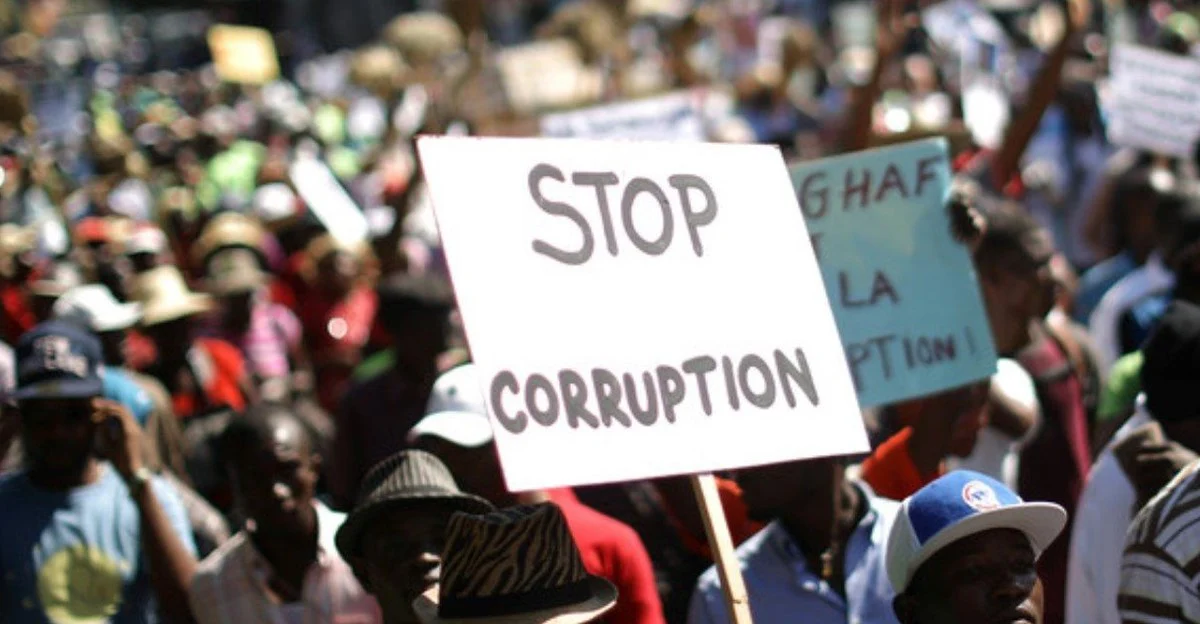
The reforms also include strengthening judicial and legislative institutions. Measures are being taken to improve oversight, enhance transparency, and ensure that laws are applied uniformly across the country. Independent monitoring bodies are being established to support accountability and reduce the risk of corruption in governance processes.
Public service delivery is a key focus. Federal and regional authorities are collaborating to improve access to education, healthcare, infrastructure, and security services. These initiatives are intended to enhance citizen trust in government institutions while fostering social and economic development in historically underserved regions.


International partners have provided technical and financial support to assist Somalia in implementing these reforms. Development agencies, donor countries, and multilateral organizations are contributing expertise and resources to strengthen governance capacity and promote stability. Their involvement is viewed as essential for sustaining progress and mitigating risks associated with political instability.
The reforms also aim to address security challenges. Coordinated efforts between federal and regional forces are being enhanced to counter armed groups, reduce violence, and improve law enforcement capabilities. Observers note that security and governance are closely linked, and effective reform requires simultaneous attention to both.
Challenges remain, including limited institutional capacity, political fragmentation, and resource constraints. Analysts emphasize the importance of sustained political will, transparent implementation, and active civil society engagement to ensure that reforms have meaningful impact.
Somalia’s federal governance reforms represent a significant step toward building resilient institutions, promoting equitable development, and enhancing political stability. If successfully implemented, these measures could strengthen the social contract between government and citizens, creating a foundation for long-term peace and prosperity.