







Russia has signaled a strategic shift in its energy exports, indicating plans to redirect natural gas shipments from Europe toward Asian markets. This move comes amid ongoing geopolitical tensions, evolving energy demand, and long-term strategic planning aimed at diversifying trade partners and securing economic leverage.
Europe has historically been a primary destination for Russian gas exports, relying heavily on pipeline infrastructure and long-term contracts. However, recent political and economic disputes, coupled with Europe’s accelerated transition to renewable energy, have prompted Moscow to explore alternative markets. Asian economies, particularly China, India, and Southeast Asian nations, present opportunities for growth due to rising energy demand and long-term investment potential.
The strategic shift has significant implications for both regional and global energy markets. European nations may face increased supply uncertainty, prompting efforts to diversify energy sources, invest in renewable infrastructure, and enhance energy security measures. Conversely, Asia may see an influx of energy imports, which could influence pricing, investment in infrastructure, and regional cooperation.


Domestic considerations also shape Russia’s energy policy. By expanding markets in Asia, Moscow aims to reduce dependence on a single region, stabilize export revenues, and strengthen geopolitical leverage. Energy remains a central tool of Russian diplomacy, and redirecting exports could influence political relationships, trade negotiations, and regional alliances.
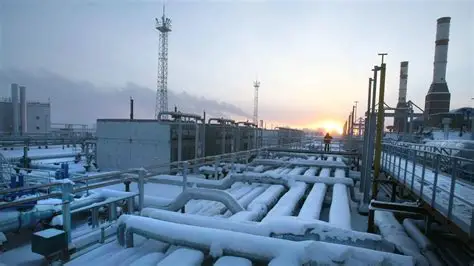
Analysts emphasize that the shift will require significant logistical and investment planning, including pipeline construction, LNG terminals, and transportation networks. It also requires negotiations with host countries, regulatory compliance, and careful management of long-term contracts.
The geopolitical dimension is critical. Energy exports have historically been intertwined with Russia’s foreign policy, and a redirection toward Asia signals a recalibration of strategic priorities. Countries in Europe and Asia are closely monitoring developments to assess impacts on energy security, trade, and diplomatic alignment.
Critics warn that reliance on new markets may introduce risks, including competition, price volatility, and dependence on emerging partners with differing political agendas. Effective diversification requires a careful balance between economic opportunity and geopolitical stability