


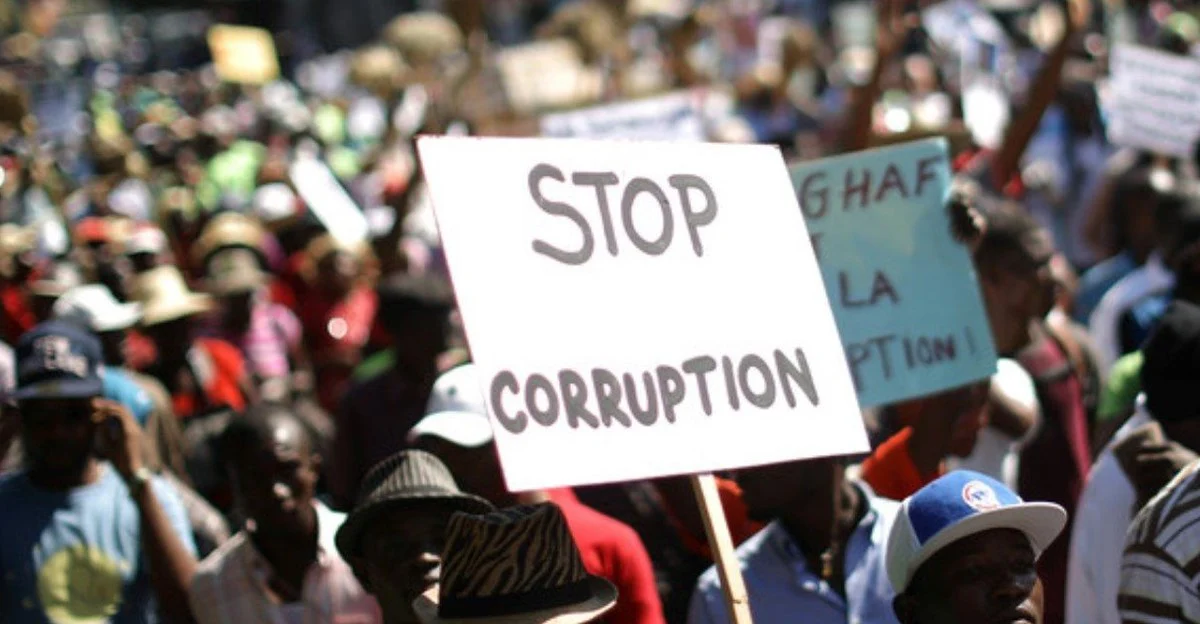

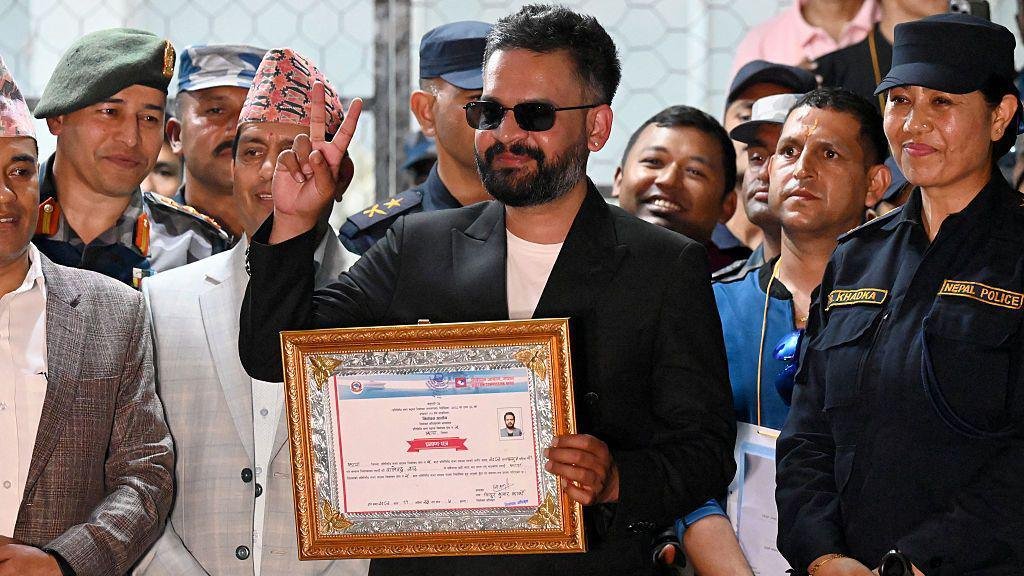

Nepal is witnessing a profound political transformation as youth activism increasingly drives election outcomes and shapes national debates. Recent elections have highlighted the influence of young voters who are mobilizing to demand transparency, accountability, and reforms from traditional political institutions.
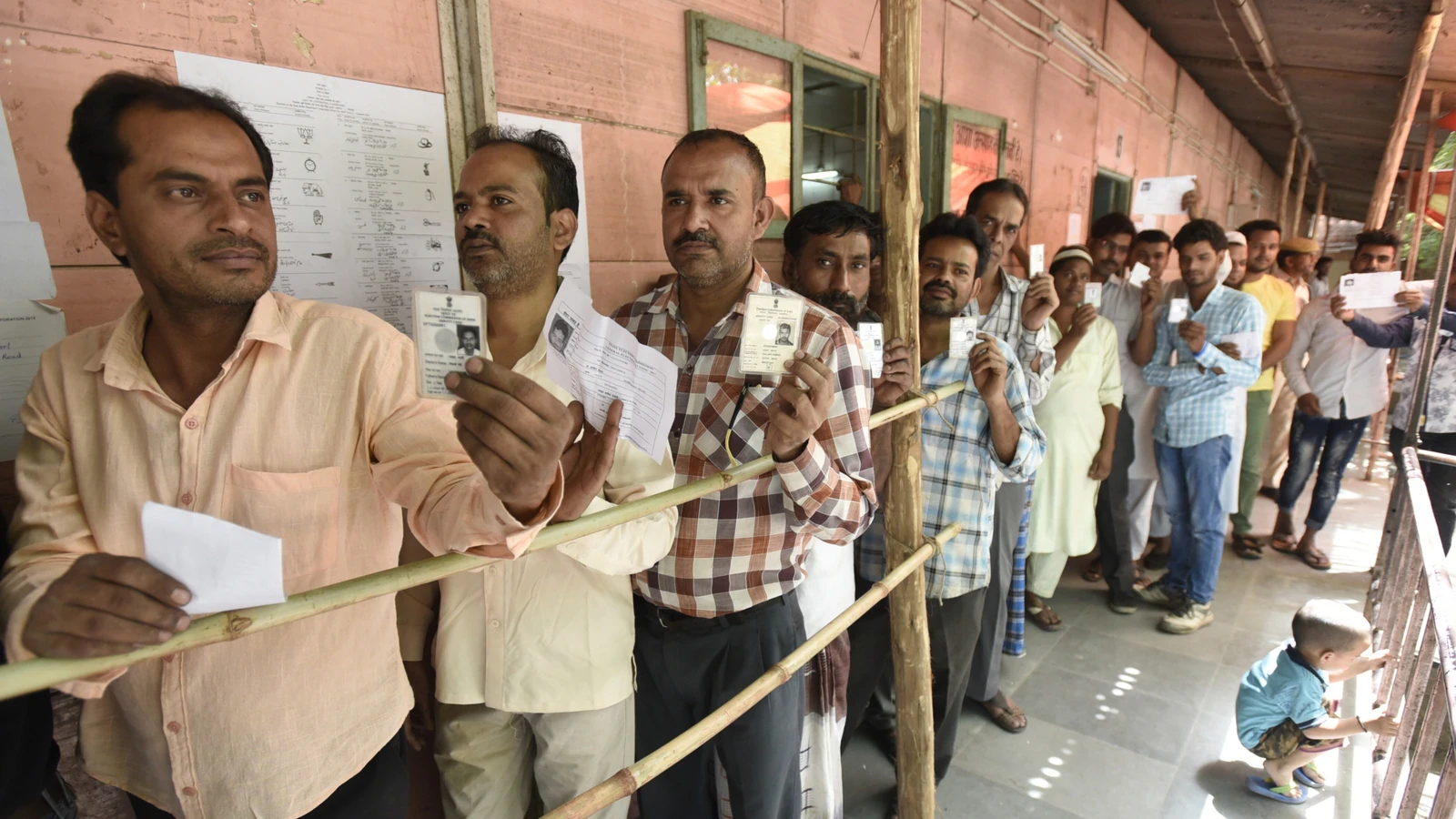
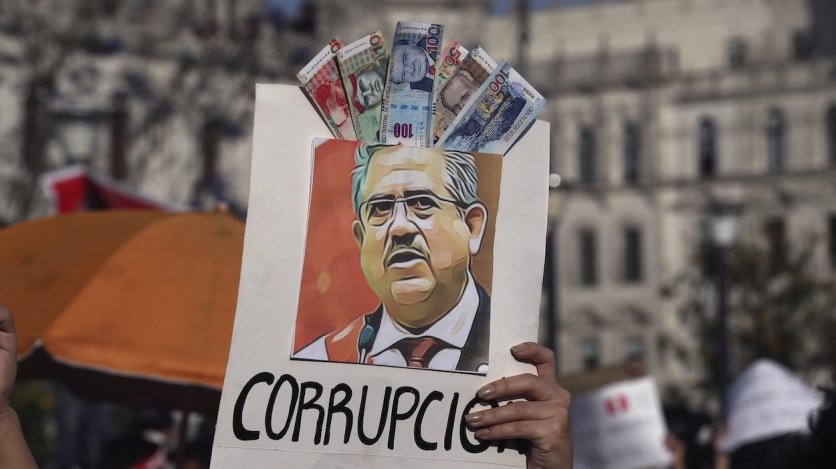
Millions of first-time voters participated in grassroots campaigns, signaling a generational shift that could redefine the country’s political landscape. The rise of youth engagement is rooted in frustration with longstanding challenges, including corruption, limited economic opportunities, and uneven access to education and social services. University students, young professionals, and civil society groups have been at the forefront of protests and campaigns calling for systemic reform. Social media platforms have amplified their reach, allowing organizers to mobilize supporters, disseminate information, and challenge traditional narratives promoted by older political elites.


Political parties have recognized the necessity of appealing to this younger demographic. Campaigns increasingly focus on issues such as job creation, digital infrastructure, educational reform, and climate policies. New political movements and independent candidates have emerged as viable alternatives to long-dominant parties, promising to disrupt entrenched power structures and prioritize citizen-driven governance.

Observers note that this generational shift carries implications beyond elections. Increased youth participation encourages political institutions to adopt more transparent, accountable, and responsive practices. Younger voters tend to demand evidence-based policy decisions, digital engagement, and efficient governance, which pressures parties to modernize their platforms and approaches.
However, challenges remain. Nepal’s geography, with remote rural communities and limited infrastructure, complicates election logistics and equitable access to information. Political polarization has intensified, and mistrust between traditional parties and new movements threatens to escalate tensions. Ensuring free, fair, and credible elections is critical to maintaining the country’s democratic trajectory.
Analysts argue that the rise of youth activism could serve as a model for democratic engagement in other emerging democracies. By mobilizing through digital tools and civic initiatives, young Nepalis are demonstrating the potential to reshape political culture and challenge historical power hierarchies.
Ultimately, Nepal’s evolving political landscape reflects a broader global trend: younger generations are increasingly influential, demanding accountability, and willing to leverage technology to hold leaders to account. How political institutions respond to this demographic surge may determine the country’s political stability, governance quality, and long-term democratic prospects.