


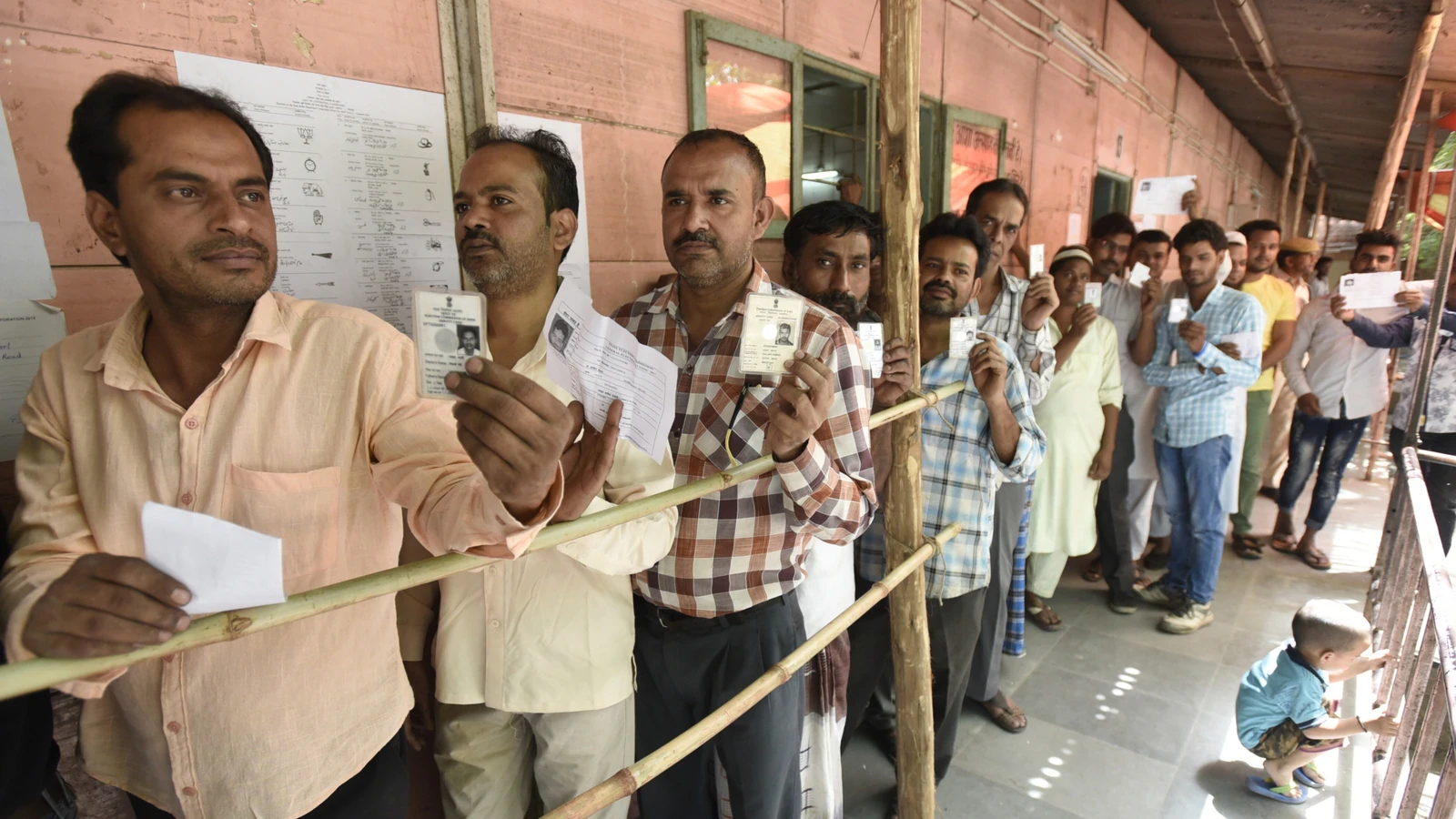






Italy’s ruling coalition has reached a landmark agreement to overhaul the country’s electoral system, replacing the mixed voting model with proportional representation. The reform aims to simplify election procedures, enhance fairness, and reduce the fragmentation that has historically hindered the formation of stable governments. Politicians and analysts have hailed the change as a major step toward transparency, though critics argue it may favor incumbent powers.
Under the new system, political parties will compete for seats in proportion to their share of votes, a departure from the previous mixed system combining proportional representation with first-past-the-post districts. Advocates claim the reform will improve representation for smaller parties, enhance coalition building, and reflect voter preferences more accurately. Critics warn, however, that entrenched parties may manipulate coalitions to maintain influence, limiting the intended democratization effect.


The reform comes amid widespread public dissatisfaction with political fragmentation, perceived corruption, and slow legislative processes. Italian citizens have expressed hope that the new system will foster accountability and coherent governance, while skeptics remain cautious about its potential impact on power dynamics. Political analysts suggest that the reform will influence party strategies, campaign messaging, and electoral alliances in the 2027 elections.
International observers note that Italy’s move reflects broader European trends, where governments experiment with electoral law adjustments to balance representation with stability. While proportional systems are lauded for inclusivity, they also require careful coalition management to prevent legislative gridlock. Italian political parties must navigate these dynamics to ensure that the reform achieves its intended outcomes.
The ruling coalition has emphasized that the overhaul is a collective effort to strengthen Italy’s democratic foundations and improve governance efficiency. Meanwhile, opposition parties are preparing to adapt their strategies, ensuring that the new system does not disadvantage their electoral prospects. The 2027 elections will serve as the first real test of this system, potentially reshaping Italy’s political landscape for years to come.