


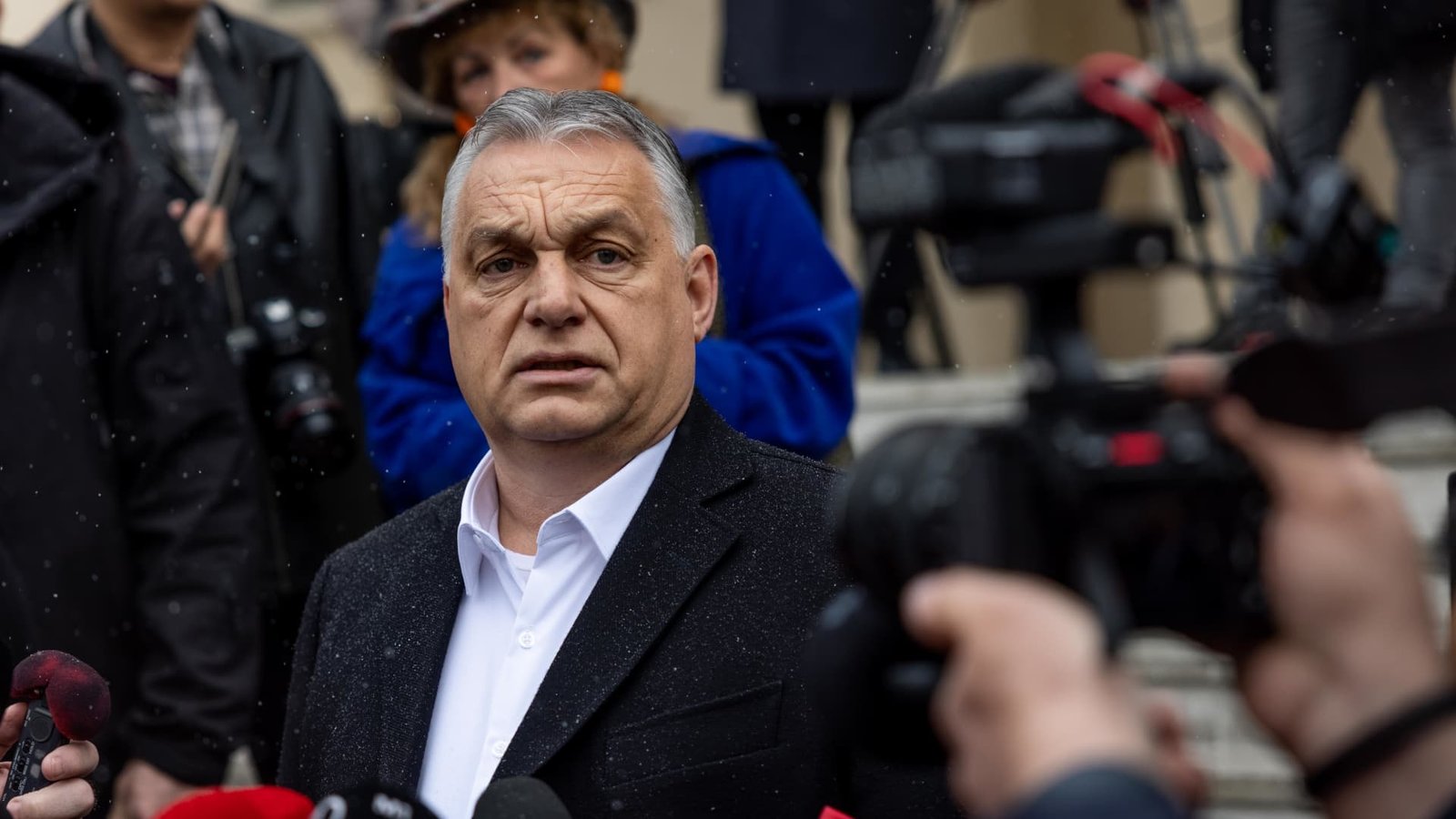

Hungary is approaching a pivotal national election that many observers describe as a referendum on the country’s future in Europe. The ruling Fidesz party, led by Prime Minister Viktor Orbán, faces criticism for policies critics argue have eroded democratic norms, including restrictions on press freedom, judicial independence, and civil society organizations. Opposition parties are framing the election as a choice between continued European integration and an authoritarian trajectory that could isolate Hungary from the EU.
Orbán’s government has defended its record, citing economic growth, job creation, and national security as evidence of effective governance. Supporters argue that the administration’s policies reflect Hungarian values and protect the nation’s sovereignty against what they perceive as overreach by European institutions. Yet opposition coalitions stress that long-term stability depends on adherence to democratic principles, transparency, and compliance with EU norms.


International observers, including EU officials and foreign diplomats, have expressed concern over Hungary’s political direction. Brussels has repeatedly signaled that funding allocations and cooperation agreements may be contingent on democratic reforms, particularly concerning judicial oversight and media independence. Analysts suggest that the outcome of this election will have implications not only for domestic governance but also for Hungary’s influence within the EU and the bloc’s cohesion.
The campaign period has been marked by vigorous public debates on issues such as economic inequality, rule of law, and Hungary’s role in European security initiatives. High voter turnout is anticipated, reflecting both the stakes of the election and widespread public engagement. Political scientists highlight that the election could serve as a bellwether for broader European struggles over democracy, national sovereignty, and the balance of power within the EU.
Observers note that the Hungarian electorate faces a complex decision: maintain political stability and economic continuity under the incumbent administration, or embrace change to reinforce democratic checks and European alignment. How citizens navigate these choices will not only determine the country’s political direction but also shape the EU’s future approach to governance, integration, and conditional funding in member states experiencing democratic strain.