

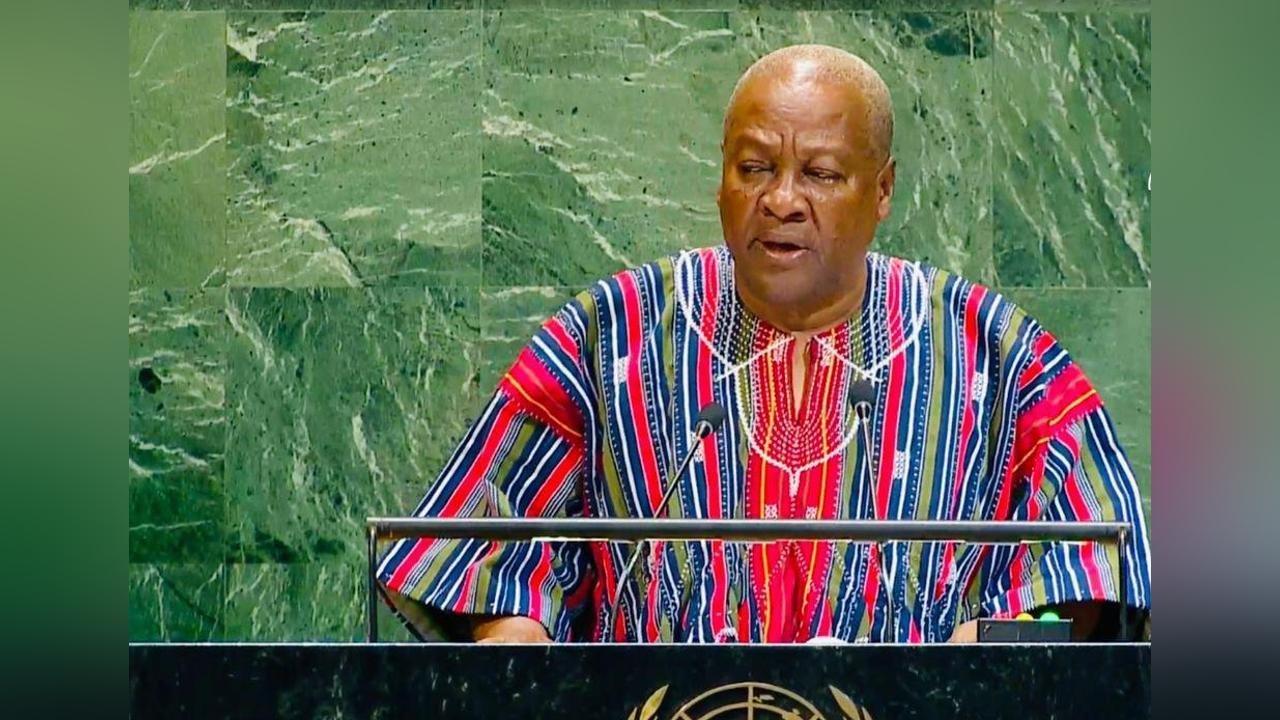

Ghana is pushing for a United Nations resolution recognizing the transatlantic slave trade as a crime against humanity, reigniting global debates on reparations.
The initiative represents a bold diplomatic effort by Ghana to bring historical injustices to the forefront of international discourse. By advocating for formal recognition of the transatlantic slave trade as a crime against humanity, Ghana is seeking to lay the groundwork for discussions on reparations and accountability.
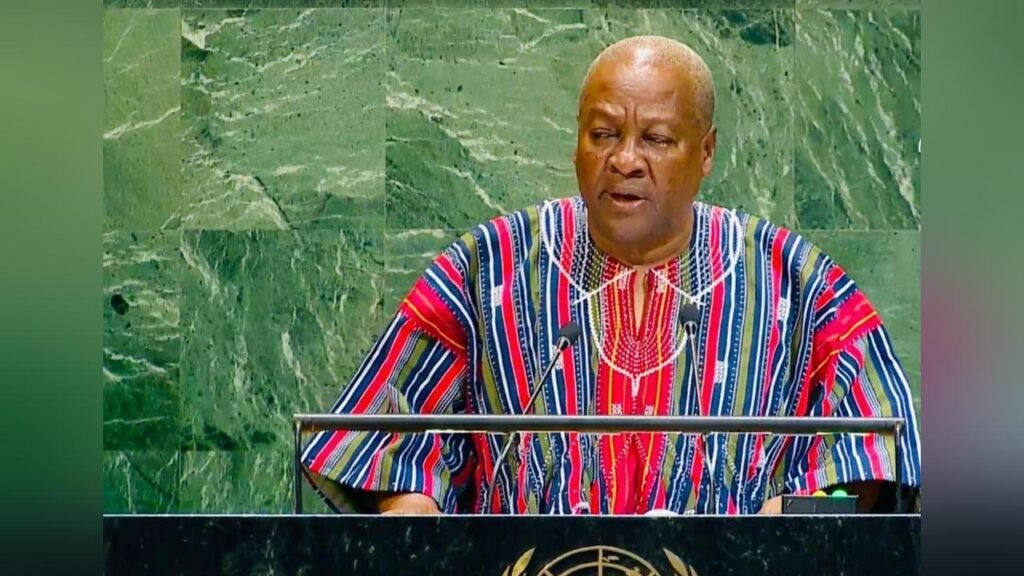
The proposal has sparked intense debate among UN member states. Supporters argue that acknowledging the historical impact of slavery is essential for addressing its lasting socio-economic consequences. They emphasize that such recognition could pave the way for meaningful reparative measures.
However, opposition from some countries highlights the complexity of the issue. Critics question the legal and financial implications of reparations, as well as the challenges of determining responsibility across generations.
For Ghana, the move is also politically significant. It reinforces the country’s position as a leading voice on issues of historical justice and Pan-African unity. The initiative aligns with broader efforts across the continent to reclaim narratives and address legacies of colonialism.
Domestically, the proposal has been widely supported, with many viewing it as a step toward restoring dignity and promoting global awareness of Africa’s historical experiences. It also resonates with diaspora communities advocating for justice and recognition.
As discussions continue at the United Nations, the outcome of Ghana’s proposal could have far-reaching implications for international law, diplomacy, and the global conversation on historical accountability.