


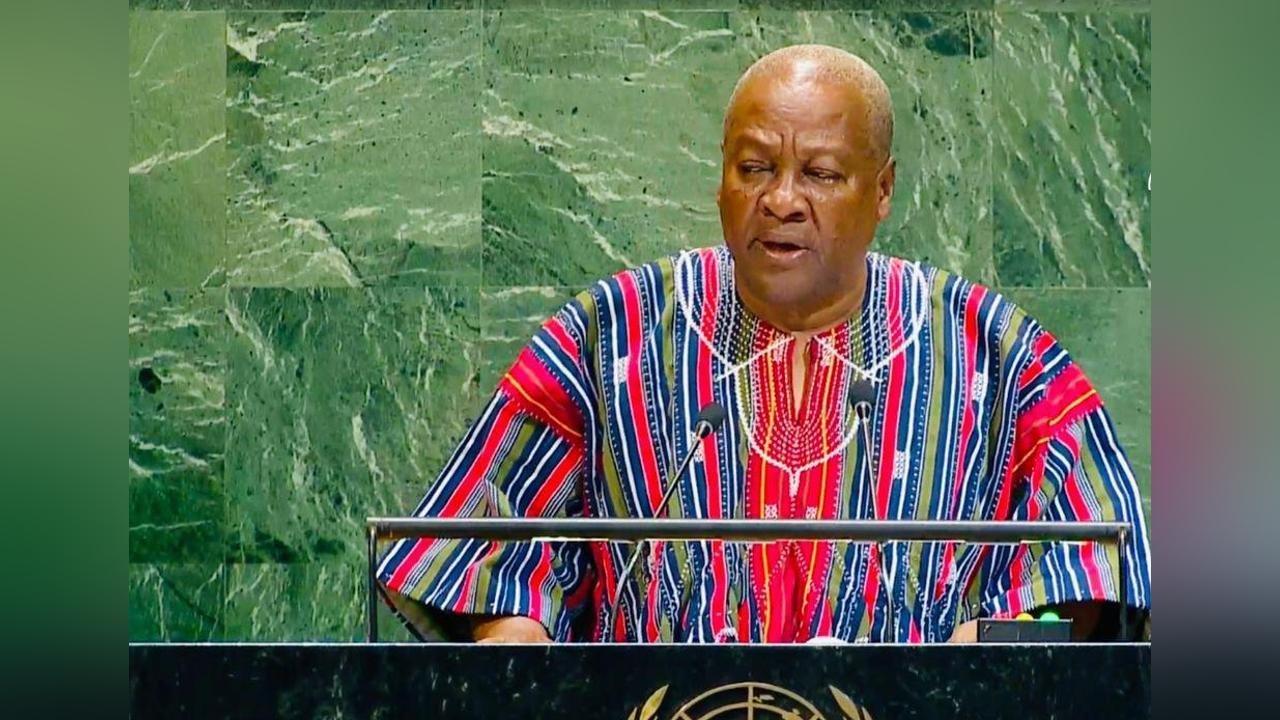


Ghana is expanding its global political influence as it becomes the first African country to join a major EU security and defense partnership.
In a landmark move, Ghana has formalized its entry into a European Union-led security and defense initiative, positioning itself as a strategic partner in global peace and stability efforts. The agreement marks a significant step in Ghana’s foreign policy, reflecting its growing role in international diplomacy and security cooperation.
The partnership is expected to focus on areas such as counterterrorism, maritime security, cybersecurity, and crisis management. For Ghana, this presents an opportunity to strengthen its defense capabilities while contributing to broader international security objectives. It also signals increasing recognition of African countries as key stakeholders in global governance.
Vice President Naana Jane Opoku-Agyemang has been a central figure in advancing Ghana’s international engagement, highlighting the importance of inclusive leadership in shaping foreign policy. Her involvement underscores the growing presence and influence of women in high-level political decision-making, both within Africa and on the global stage.
Domestically, the move has been largely welcomed, although some analysts have raised questions about the long-term implications of aligning closely with external powers. Concerns have been expressed about maintaining strategic autonomy while benefiting from international partnerships.
Regionally, Ghana’s decision could set a precedent for other African nations seeking to expand their global influence. It reflects a broader trend of African countries taking more active roles in shaping international security frameworks rather than remaining passive participants.
As Ghana deepens its global engagement, the challenge will be to balance national interests with international commitments while ensuring that such partnerships translate into tangible benefits for its citizens.