



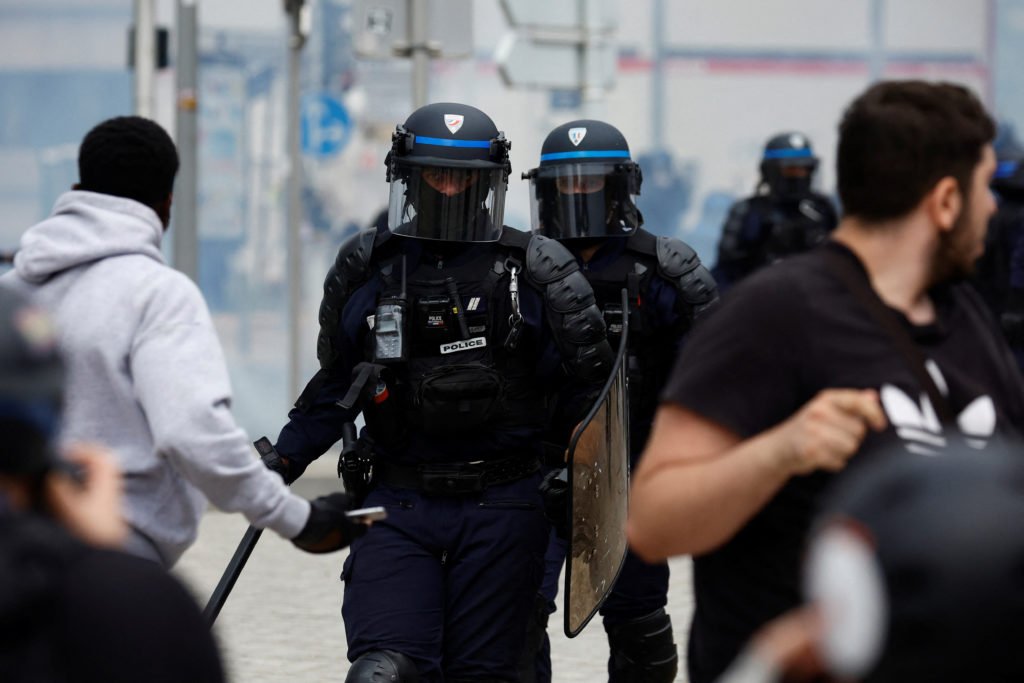

The recent killing of a young activist in Lyon, France, has reverberated across Europe, galvanizing far-right movements and prompting coordinated rallies in multiple countries. The activist, known for his involvement in nationalist and anti-immigration campaigns, became a symbol for far-right groups seeking greater influence in regional politics. Security authorities in France and neighboring countries have heightened patrols and prepared emergency measures to prevent clashes with counter-protesters.
Observers note that far-right movements across Europe have increasingly utilized digital platforms to organize transnational events. Following the Lyon incident, activists in Germany, Italy, and Spain mobilized swiftly, highlighting a network of coordination that transcends national borders. Analysts warn that these developments underscore the challenge governments face in balancing civil liberties with public safety amid rising political extremism.


While far-right leaders frame the rallies as a defense of European heritage and freedom of expression, critics argue that such mobilization risks normalizing political violence and radicalization. Law enforcement agencies are working to ensure public safety while investigating the circumstances surrounding the activist’s death, emphasizing that incitement of violence will not be tolerated.
European governments are also grappling with the political implications. Far-right parties have leveraged the tragedy in media campaigns, portraying themselves as defenders of national identity and law and order. Meanwhile, centrist and left-leaning parties have called for unity and strengthened anti-extremism measures, warning against the exploitation of tragedies for political gain.
Social analysts suggest that this episode may influence upcoming local and national elections, as voter sentiment could be swayed by concerns over safety, immigration, and governance. The incident highlights the delicate balance Europe must strike between allowing democratic expression and countering extremism that threatens social cohesion.
In the broader context, the Lyon killing serves as a reminder of the persistent vulnerabilities in European democracies, particularly in the face of transnational extremist networks. Analysts urge policymakers to strengthen civil society engagement, enforce robust law enforcement protocols, and foster public discourse aimed at reducing polarization and preventing future radicalization. The coming months will be crucial in determining whether these far-right movements gain long-term momentum or whether governments can contain their influence through legal, political, and social measures.