
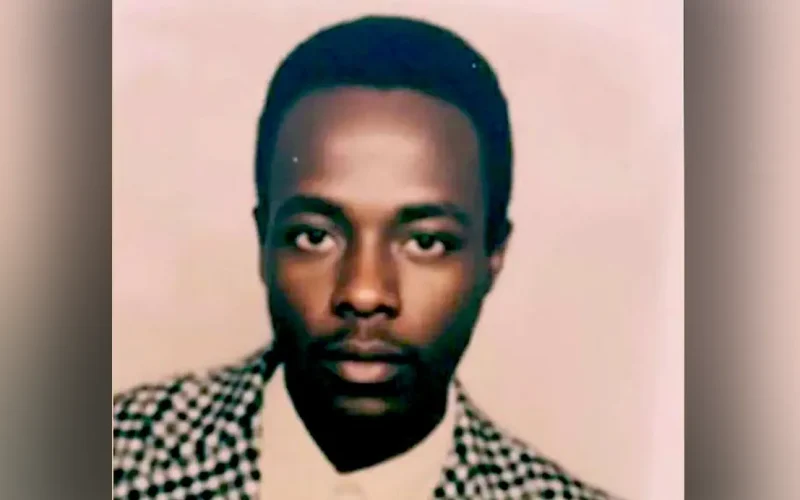






Authorities in Eritrea have released a political cartoonist who had spent more than 15 years in detention without formal charges.
The release has drawn international attention from human rights organizations and press freedom advocates who have long called for reforms to improve freedom of expression in the country.
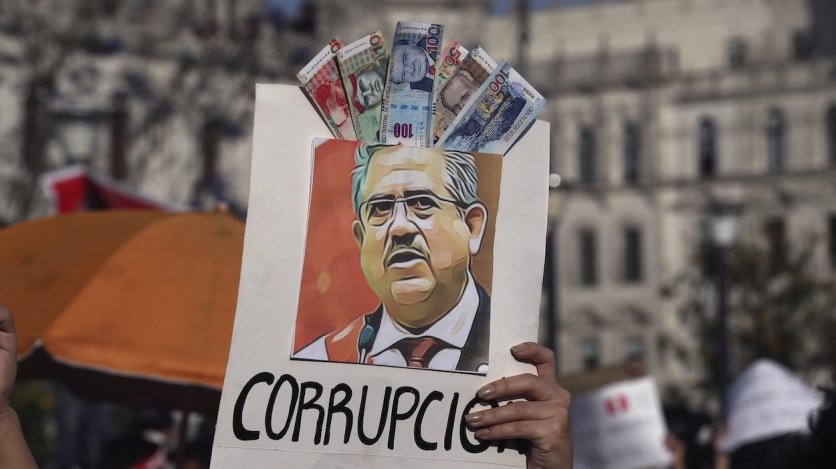
Political cartoons have historically served as a powerful tool for commentary and satire, often reflecting public sentiment about governance and political developments. In many societies, cartoonists use their work to highlight social issues, challenge authority, and provoke debate.

The prolonged detention of the artist had become a symbol of broader concerns about press freedom and civil liberties. Advocacy groups frequently cited the case when discussing the challenges faced by journalists and media professionals in restrictive political environments.
Following news of the release, international observers expressed cautious optimism while urging authorities to continue improving protections for free expression.
Human rights organizations say the development could represent an opportunity for dialogue about media freedoms and political openness in Eritrea. While the release of a single detainee does not resolve broader concerns, analysts say it may signal a potential shift in the government’s approach to international criticism.
For supporters of press freedom, the case highlights the importance of global advocacy efforts that seek to protect journalists, artists, and commentators who use their work to engage with political issues.